Author: orbitbrief1

  • Greenland Tariffs: Trade Barriers at the Edge of the Arctic

    Trump’s Greenland tariffs: What’s Europe’s ‘bazooka’ option to hit back?

    Understanding What “Greenland Tariffs” Really Mean
    When people hear “Greenland tariffs,” they often imagine a small Arctic territory quietly setting its own trade walls, but the reality is more layered and interesting. Greenland is an autonomous territory within the Kingdom of Denmark, and while it has left the European Union, it still maintains close economic ties with both Denmark and the EU. This unique political position shapes how tariffs apply to goods entering and leaving Greenland. Unlike EU member states, Greenland is not bound by the EU’s common external tariff, which gives it greater flexibility in how it manages trade, but also creates complexity for businesses that must navigate a different set of customs rules compared to mainland Europe.
    Greenland’s Economic Structure and Why Tariffs Matter Greenland tariffs
    Tariffs matter in Greenland more than in many larger economies because of its narrow economic base and heavy dependence on imports. Greenland’s economy revolves primarily around fishing, seafood processing, and increasingly, mining and tourism. Almost everything else, from machinery to food products, is imported, mainly from Denmark and other European countries. Because of this, even small tariff changes can ripple through prices, living costs, and business competitiveness. The government must balance two competing needs: protecting local industries, especially fisheries, while keeping imported goods affordable for a population that already faces high costs due to remoteness and harsh climate.
    Trade Relations with the European Union
    Greenland’s departure from the European Economic Community in 1985, often called “Greenxit,” remains one of the most significant turning points in its tariff policy. After leaving, Greenland negotiated special agreements with the EU that primarily focused on fisheries, granting the EU access to Greenlandic waters in exchange for financial support and preferential trade terms. As a result, most Greenlandic fish products enter the EU with low or zero tariffs, preserving Greenland’s access to its most important export market. In return, many EU goods enjoy favorable treatment in Greenland, although they are still subject to customs procedures and certain duties that would not exist within the EU single market.
    Tariffs on Imports and Their Local Impact
    On the import side, Greenland applies tariffs selectively, often mirroring Danish or EU standards but adapting them to local priorities. Basic necessities are generally kept at low or zero tariffs to avoid burdening consumers, while luxury goods or products that compete with local production may face higher duties. Because transportation costs are already extremely high, tariffs play a sensitive role: even a modest increase can significantly raise retail prices in small settlements. This is why Greenlandic policymakers are typically cautious, preferring to use tariffs as a light regulatory tool rather than a heavy protectionist weapon.
    Tariffs, Autonomy, and Political Significance
    Tariffs are not just economic instruments in Greenland; they are also symbols of political autonomy. The ability to set and adjust tariffs independently from the EU reinforces Greenland’s self-governing status and supports its long-term aspiration for greater independence from Denmark. By shaping trade policy, Greenland can slowly build administrative capacity and economic self-reliance, both of which are crucial for any future move toward full sovereignty. At the same time, this autonomy must be exercised carefully, because Greenland remains financially supported by Denmark through an annual block grant, and overly aggressive tariff policies could strain that relationship or reduce foreign investment.
    The Emerging Role of Tariffs in Mining and New Industries
    As climate change opens new shipping routes and reveals mineral resources, Greenland is increasingly attracting attention from global mining and energy companies. In this context, tariffs become tools for steering development. Lower tariffs on specialized machinery can encourage foreign investment, while export duties on raw materials could be used in the future to promote local processing rather than simple extraction. How Greenland chooses to apply tariffs in these emerging sectors will strongly influence whether it becomes merely a resource supplier or develops more value-added industries at home.
    Challenges and the Road Ahead
    The main challenge for Greenland’s tariff policy lies in finding the right balance between openness and protection. Too many tariffs could isolate the economy and raise living costs, while too few could expose fragile local industries to overwhelming competition. Another growing issue is sustainability: Greenland may increasingly use trade policy, including tariffs, to support environmentally responsible practices, such as discouraging polluting imports or promoting green technologies. In this sense, tariffs could evolve from being simple revenue tools into instruments of social and environmental policy.
    Conclusion
    Greenland tariffs may seem like a niche topic, but they sit at the crossroads of economics, politics, and identity for this Arctic territory. They influence everyday life through prices and availability of goods, shape Greenland’s relationship with the EU and Denmark, and reflect its ongoing journey toward greater autonomy. As Greenland’s economy diversifies and its global significance rises, its tariff policies will likely become even more important, serving not just as trade barriers, but as strategic levers guiding the island’s future in a rapidly changing world.

  • Tariffs: Power Politics at the Edge of the Arctic

    President Trump warns world not secure without US control of Greenland |  Fox NewsTrump’s Greenland
    A Surprising Proposal in a Strategic Landscape
    The idea of “Trump Greenland tariffs” sounds, at first glance, like an odd pairing of trade policy and frozen geography, yet it reflects a very real tension that emerged during Donald Trump’s presidency, when Greenland suddenly found itself at the center of American strategic thinking. Greenland, an autonomous territory within the Kingdom of Denmark, is not a major trading partner in the classic sense, but it holds immense geopolitical value because of its location in the Arctic and its vast reserves of rare earth minerals, oil, gas, and other resources. When Trump floated the idea of buying Greenland in 2019, it was widely mocked, but behind the spectacle was a serious concern: China and Russia were expanding their influence in the Arctic, and the United States wanted to secure its position. Tariffs, in that context, were not merely about economics; they were imagined as a lever of pressure, a way to shape behavior and alliances in a region that is rapidly becoming a new arena of global competition.
    Why Tariffs Entered the Conversation
    Tariffs traditionally target countries with which the United States has large trade imbalances, such as China or the European Union, so applying them to Greenland would have been symbolically and politically charged. Greenland exports relatively small volumes of goods, mostly seafood and minerals, but those exports are strategically important rather than economically massive. The notion of tariffs tied to Greenland was less about punishing its economy and more about signaling displeasure with Denmark’s resistance to deeper American involvement or ownership. Trump’s broader trade philosophy favored tariffs as a blunt instrument: he used them to force renegotiations, to demonstrate toughness to domestic audiences, and to disrupt what he viewed as unfair arrangements. In the Greenland case, tariffs would have been a way to pressure Copenhagen indirectly while framing the move as a standard trade measure rather than a geopolitical ultimatum.
    Economic Impact Versus Political Message
    From a purely economic standpoint, tariffs on Greenlandic goods would have had limited effect on the U.S. consumer market because imports from Greenland are small and easily replaced. However, for Greenland itself, even modest tariffs could have been disruptive, especially for industries like fishing, which depend on access to international markets. More importantly, the political message would have been loud: the United States was willing to use economic tools to assert its interests in the Arctic. Such a move could have strained relations not only with Denmark but also with other European allies who would view tariffs as another example of America sidelining diplomacy in favor of coercion. In that sense, “Trump Greenland tariffs” symbolize a broader shift during his presidency, where trade policy became inseparable from foreign policy and was often deployed with theatrical flair.
    The Arctic as a New Trade and Security Frontier
    The deeper story behind this topic is the transformation of the Arctic itself. Climate change is melting ice caps, opening new shipping routes, and making previously inaccessible resources available for extraction. Greenland sits at the heart of this transformation, and whoever influences Greenland gains leverage over emerging trade corridors and mineral supply chains critical for modern technologies like electric vehicles and smartphones. Trump’s interest in Greenland, including any hypothetical tariffs, should be read against this backdrop. The United States was, and still is, concerned about China’s investment in Arctic infrastructure and Russia’s military buildup in the region. By signaling a willingness to apply tariffs or even consider purchasing Greenland, Trump was effectively declaring that the Arctic was no longer a peripheral concern but a core element of American strategic planning.
    Legacy and Lessons Trump Greenland tariffs
    Although tariffs specifically targeting Greenland never materialized, the episode left a lasting imprint on how people view U.S. trade policy under Trump. It highlighted a readiness to blur the line between economic instruments and territorial ambition, reminding the world that tariffs can serve purposes far beyond protecting domestic industries. For Greenland and Denmark, the moment underscored their geopolitical value and forced them to think more carefully about balancing relationships with larger powers. For the United States, it revealed both the reach and the limits of using economic pressure in sensitive political contexts. Ultimately, “Trump Greenland tariffs” remain more of a conceptual symbol than a historical policy, but they encapsulate a defining feature of the Trump era: the use of disruptive, headline-grabbing economic tactics to pursue strategic goals in a rapidly changing global order.

  • Greenland: The Icy Giant Shaping Our Planet’s Future

    Proposed United States acquisition of Greenland - Wikipedia
    Introduction to Greenland: A Land of Ice and Influence
    Greenland, the world’s largest island, sits quietly between the Arctic and Atlantic Oceans, yet its impact on the planet is anything but quiet. Covered mostly by a massive ice sheet, Greenland appears at first glance to be a remote, frozen wilderness with little relevance to everyday life elsewhere. In reality, this icy landmass plays a central role in regulating Earth’s climate, ocean circulation, and even global sea levels. With a population of just over 56,000 people, most of whom live along the rugged coastline, Greenland combines extreme natural beauty with growing geopolitical and environmental importance, making it one of the most fascinating regions on Earth today.
    Geography and Natural Features
    Greenland’s geography is dominated by ice, with about 80 percent of its surface buried beneath a thick ice sheet that in places reaches over three kilometers deep. This enormous body of ice stores roughly one-tenth of the world’s freshwater, a statistic that alone hints at its global significance. Along the edges, towering glaciers spill slowly into the sea, breaking apart into icebergs that drift through the North Atlantic. Beyond the ice, Greenland also contains dramatic fjords, rocky mountains, tundra landscapes, and long, dark winters followed by bright, almost endless summer days. These extreme conditions have shaped not only the land itself but also the culture and lifestyle of the people who live there.
    Climate Change and the Melting Ice Sheet Greenland
    Perhaps the most critical reason Greenland is in the global spotlight today is climate change. Rising global temperatures are causing Greenland’s ice sheet to melt at an accelerating rate, contributing directly to rising sea levels worldwide. Even small increases in sea level can threaten coastal cities, islands, and low-lying nations far from Greenland’s shores. Scientists monitor Greenland closely because changes there act as an early warning system for broader environmental shifts. The melting ice also affects ocean circulation, particularly the Atlantic Meridional Overturning Circulation, which helps regulate temperatures across Europe and North America. In this way, what happens in Greenland does not stay in Greenland; it ripples across the entire planet.
    Wildlife and Fragile Ecosystems
    Despite its harsh environment, Greenland supports a surprisingly rich array of wildlife, perfectly adapted to Arctic life. Polar bears roam the icy coasts, while seals, walruses, and whales thrive in the surrounding waters. On land, Arctic foxes, musk oxen, and migratory birds survive in a delicate balance with nature. These ecosystems are highly sensitive to temperature changes, and even slight warming can disrupt food chains and habitats. As ice retreats and new areas become exposed, plants and animals are forced to adapt quickly, migrate, or face decline. Greenland thus serves as a living laboratory for understanding how ecosystems respond to rapid environmental change.
    The People and Culture of Greenland
    Greenland’s human story is just as compelling as its natural one. The majority of Greenlanders are Inuit, whose ancestors learned to survive and thrive in Arctic conditions through deep knowledge of the land and sea. Fishing and hunting remain central to daily life, alongside modern industries such as tourism and mining. Greenland is an autonomous territory within the Kingdom of Denmark, and in recent years there has been growing discussion about full independence, driven partly by economic interests and cultural identity. Traditional practices coexist with modern influences, creating a unique blend of ancient knowledge and contemporary society that reflects resilience in one of the world’s most challenging environments.
    Economic and Geopolitical Importance
    As ice melts and previously inaccessible areas become reachable, Greenland is gaining strategic and economic attention from major world powers. The island is rich in minerals such as rare earth elements, uranium, and iron ore, which are essential for modern technologies like smartphones, electric vehicles, and renewable energy systems. New shipping routes through the Arctic could also reduce travel times between continents, further increasing Greenland’s global relevance. This has led countries like the United States, China, and members of the European Union to show increasing interest in Greenland, making it not only an environmental hotspot but also a geopolitical one.
    Conclusion: Why Greenland Matters to Everyone
    Greenland may seem distant and frozen, but its influence stretches across oceans and continents. From shaping climate systems to holding key resources for future technologies, Greenland stands at the intersection of nature, science, culture, and global politics. As the world continues to warm, the fate of Greenland’s ice and people will become even more closely tied to the future of the planet. Understanding Greenland is therefore not just about learning about a remote island, but about recognizing how deeply interconnected our world truly is.

  • Introduction: Why Ukraine’s EU Membership Matters

    Historic day for Ukraine as EU launches official membership talks -  Atlantic Council
    Ukraine’s aspiration to join the European Union is not just a political headline, but a defining story about identity, values, and the future shape of Europe itself. For decades, Ukraine has stood at a crossroads between East and West, balancing historical ties with Russia and a growing desire to integrate with European political, economic, and cultural structures. The push for EU membership represents far more than access to markets or funding; it symbolizes Ukraine’s wish to anchor itself firmly within a community based on democracy, rule of law, and shared prosperity. In recent years, especially after dramatic political and military developments, the question of Ukraine’s place in Europe has become urgent, emotional, and globally significant.
    Historical Background and the Roots of European Aspiration Ukraine EU membership
    Ukraine’s relationship with Europe did not begin in the 21st century. Since gaining independence in 1991 after the collapse of the Soviet Union, Ukraine has wrestled with defining its geopolitical direction. Early governments alternated between closer ties with Russia and gradual cooperation with the European Union, reflecting internal divisions and external pressures. A major turning point came in 2013–2014 with the Euromaidan protests, when millions of Ukrainians demonstrated in favor of closer European integration after the government suspended plans for an EU association agreement. These protests, which led to political change and severe tensions with Russia, revealed that a large part of Ukrainian society viewed the EU not just as a partner, but as a model for governance, freedoms, and modern statehood.
    Political and Legal Reforms on the Path to Membership
    Joining the European Union is not a symbolic gesture; it requires deep and often painful reforms. Candidate countries must align their laws, institutions, and practices with EU standards in areas such as judicial independence, anti-corruption, human rights, and market regulation. For Ukraine, this has been a major challenge, as corruption and weak institutions have long undermined public trust and economic development. However, progress has been visible, especially since 2014, with the creation of new anti-corruption bodies, judicial reforms, decentralization of power, and efforts to improve transparency. The EU has consistently emphasized that Ukraine’s membership prospects depend not on political sympathy alone, but on measurable, sustained reform, which makes the process demanding but also transformative for Ukrainian society.
    Economic Opportunities and Challenges
    From an economic perspective, EU membership offers Ukraine vast opportunities, but also serious adjustments. Access to the single market could stimulate trade, attract foreign investment, and modernize key sectors such as agriculture, energy, and manufacturing. Ukraine’s fertile farmland and industrial base could become major assets within the European economy. At the same time, Ukrainian businesses would face fierce competition from established European companies, requiring improvements in quality, efficiency, and labor standards. The transition would not be painless, particularly for industries that rely on outdated technologies or protected domestic markets. Yet, over the long term, integration into the EU economic system could help Ukraine move away from oligarch-dominated structures toward a more competitive and innovative economy.
    Security, Geopolitics, and the War Factor
    Security concerns have dramatically reshaped the debate on Ukraine’s EU membership. Russia’s annexation of Crimea in 2014 and the full-scale invasion in 2022 made it clear that Ukraine’s future is not just a domestic or European issue, but a matter of global stability. While EU membership is not a military alliance like NATO, it carries political and strategic weight, signaling that Ukraine belongs to a European community that rejects spheres of influence and supports sovereignty. For many Europeans, supporting Ukraine’s EU path has become a moral and strategic commitment, reinforcing the idea that borders cannot be changed by force. At the same time, the ongoing war complicates accession, as the EU traditionally avoids admitting countries with unresolved territorial conflicts, making peace and reconstruction central to Ukraine’s membership prospects.
    Public Opinion and Cultural Identity
    One of the strongest drivers of Ukraine’s EU ambition is public opinion. Surveys consistently show that a majority of Ukrainians support EU membership, especially among younger generations who associate Europe with freedom of movement, educational opportunities, and a higher quality of life. This cultural and psychological dimension is often underestimated, but it is crucial. For many Ukrainians, being European is not just about passports or trade agreements, but about belonging to a civilization that values individual rights, diversity, and open societies. This sense of identity has been reinforced by shared experiences during crises, when European countries provided political, humanitarian, and military support.
    Conclusion: A Journey Still in Progress
    Ukraine’s path toward European Union membership is long, complex, and uncertain, but it is also one of the most transformative journeys in modern European politics. It involves reshaping institutions, rebuilding an economy, healing from war, and redefining national identity. While full membership may still be years away, the process itself is already changing Ukraine in profound ways, drawing it closer to European norms and values. At the same time, Ukraine’s determination is also changing the European Union, forcing it to rethink enlargement, security, and solidarity in a more unstable world. In this sense, Ukraine’s EU membership is not just about Ukraine joining Europe, but about Europe redefining itself for the future.

  • FAA Warning: Why Aviation Alerts Matter More Than Ever

    US aviation authorities on Friday issued fresh warnings to airlines  operating over parts of Mexico and Central America, urging crews to  "exercise caution" amid what they described as ongoing "military  activities" in

    Understanding What an FAA Warning Really Means
    An FAA Warning is more than just a notice tucked away in regulatory language; it is a critical communication from the Federal Aviation Administration aimed at preventing accidents, protecting passengers, and keeping the complex system of aviation running safely. The FAA issues warnings when it identifies potential hazards, non-compliance with safety regulations, or emerging risks that could affect aircraft operations, airports, or even passengers themselves. These warnings can apply to airlines, maintenance organizations, pilots, drone operators, and sometimes the general public. In simple terms, when the FAA warns, it is saying: something here could go wrong if not corrected, and the time to act is now. Because aviation is an industry where small mistakes can have massive consequences, these warnings are designed to be proactive rather than reactive, stopping problems before they turn into tragedies.
    Why FAA Warnings Exist in the First Place
    Aviation safety is built on layers of prevention, and FAA warnings are one of those layers. They exist because the aviation system is incredibly complex, involving human decision-making, advanced technology, unpredictable weather, and tight schedules all interacting at once. The FAA continuously monitors data from flight operations, maintenance records, incident reports, and even whistleblowers to detect patterns that suggest increased risk. When a pattern appears, a warning may be issued to alert the relevant parties. This might involve reminding airlines about proper maintenance procedures, cautioning pilots about specific weather-related hazards, or advising airports to update certain safety protocols. The goal is not punishment but correction, encouraging safer behavior before enforcement becomes necessary.
    Types of FAA Warnings You Might Encounter FAA Warning
    FAA warnings can take many forms depending on who they are meant for and what problem they address. For aviation professionals, warnings often come as Letters of Warning or Safety Alerts for Operators, which outline specific issues and recommend corrective actions. For the public, FAA warnings may involve travel advisories, restrictions on drone usage, or notices about hazardous materials. For example, when recreational drone use surged, the FAA issued multiple warnings reminding users about altitude limits, no-fly zones, and registration requirements. These were not meant to scare people away from flying drones but to integrate them safely into airspace shared with commercial aircraft. In this way, warnings serve as educational tools as much as regulatory ones.
    The Real-World Impact of FAA Warnings
    The true value of an FAA warning is often invisible because success means nothing bad happens. When an airline corrects a maintenance flaw after a warning, passengers may never know how close that issue was to becoming serious. When pilots adjust routes after receiving a weather-related warning, delays might be the only noticeable effect, but those delays could be preventing far worse outcomes. Historically, many improvements in aviation safety have followed patterns first highlighted through warnings, showing that these alerts are not just bureaucratic paperwork but living parts of a learning safety system. Over time, repeated warnings can even lead to changes in national or international aviation policy, shaping how aircraft are designed, flown, and maintained.
    Common Misunderstandings About FAA Warnings
    One common misconception is that an FAA warning automatically means someone has done something terribly wrong. In reality, warnings often arise from minor issues or procedural lapses that are relatively easy to fix. They are part of a graduated system that starts with guidance and only moves toward penalties if there is repeated non-compliance or clear disregard for safety. Another misunderstanding is that warnings only target big airlines or commercial pilots. In fact, private pilots, flight schools, mechanics, and even hobbyists can receive FAA warnings. This reflects the FAA’s philosophy that safety is everyone’s responsibility, regardless of scale.
    Why Paying Attention to FAA Warnings Matters for the Future
    As aviation continues to evolve with new technologies like electric aircraft, autonomous systems, and expanded drone operations, FAA warnings are likely to become even more important. These innovations bring exciting possibilities but also unfamiliar risks, and early warnings will be essential in shaping how safely they are adopted. Ignoring or minimizing these alerts could slow progress or, worse, lead to avoidable accidents that undermine public trust. On the other hand, taking FAA warnings seriously helps build a culture where safety and innovation move forward together rather than in conflict.
    Conclusion: A Quiet Guardian of the Skies
    The FAA Warning system may not grab headlines the way dramatic accidents do, but it plays a far more valuable role by helping prevent those accidents in the first place. By identifying risks early, guiding corrective action, and educating everyone involved in aviation, FAA warnings act as a quiet guardian of the skies. Whether you are a frequent flyer, a pilot, a technician, or a drone enthusiast, understanding and respecting these warnings contributes to a safer, more reliable aviation system for all. In an industry where safety is measured not by what happens but by what does not, FAA warnings stand as one of the most important tools we have.

  • Inside the ICE Crackdown: What It Means for Communities, Law, and Immigration Policy

    How ICE Crackdowns Set Off a Resistance in American Cities - The New York  Times

    Understanding the Scope of the ICE Crackdown
    The term “ICE crackdown” refers to periods of intensified enforcement activity by U.S. Immigration and Customs Enforcement aimed at identifying, detaining, and deporting individuals who are in the country without legal authorization or who have violated immigration laws. These crackdowns are not a single event but a pattern that emerges in response to political priorities, executive orders, and shifting public debates over immigration. In practical terms, a crackdown often includes workplace raids, targeted arrests, expanded use of detention centers, and closer cooperation between federal immigration authorities and local law enforcement. Supporters argue that such actions are necessary to uphold the rule of law and ensure public safety, while critics contend that they create fear, disrupt families, and undermine trust between immigrant communities and the government.
    Why Crackdowns Happen and Who Shapes Them
    ICE crackdowns typically intensify during moments when immigration becomes a central political issue, such as during election cycles or after high-profile crimes linked—fairly or unfairly—to undocumented immigrants. Policy directives from the White House and the Department of Homeland Security shape how aggressively ICE operates, determining priorities like whether to focus on people with criminal records or to broaden the net to include those with minor violations or none at all. Budget allocations, staffing levels, and detention capacity also influence how far enforcement can go. Importantly, crackdowns are not just about enforcement on the ground; they reflect deeper debates over border security, labor markets, and national identity, making them as much political symbols as operational strategies.
    Impact on Immigrant Communities and Families
    For immigrant communities, the effects of an ICE crackdown are immediate and deeply personal. Families may avoid schools, hospitals, and even grocery stores out of fear that everyday activities could lead to encounters with authorities. Parents worry about being separated from their children, particularly when children are U.S. citizens and parents are not. The psychological toll can be heavy, producing chronic stress, anxiety, and a sense of living under constant surveillance. Community organizations often report drops in attendance at public events and a decline in crime reporting, as residents fear that any interaction with police could expose them to immigration enforcement. This erosion of trust can have long-term consequences for public safety and social cohesion. ICE crackdown
    Legal and Economic Dimensions
    Legally, ICE crackdowns raise important questions about due process and civil rights. Critics point to cases where individuals are detained without adequate access to legal counsel or where mistakes lead to the detention of lawful residents or even citizens. The complexity of immigration law, combined with overburdened courts, can result in prolonged detention and delayed hearings, which further strain the system. Economically, crackdowns ripple beyond the individuals directly affected. Industries such as agriculture, construction, hospitality, and caregiving rely heavily on immigrant labor, and sudden enforcement actions can disrupt supply chains, raise costs, and lead to labor shortages. At the same time, some argue that stricter enforcement opens opportunities for native-born workers, though evidence on this point is mixed and highly context-dependent.
    Public Opinion and Media Narratives
    Public opinion on ICE crackdowns is sharply divided and often shaped by how the media frames immigration. Stories emphasizing crime and border security tend to bolster support for tougher enforcement, while coverage highlighting family separations and humanitarian concerns fuels opposition. Social media has amplified both sides, allowing images and personal stories to spread rapidly and influence national conversations. As a result, ICE crackdowns are not only law enforcement actions but also media events that can shift public sentiment and pressure policymakers to either escalate or scale back their approaches.
    Looking Ahead: Balancing Enforcement and Humanity
    The future of ICE crackdowns will likely depend on whether policymakers can strike a balance between enforcing immigration laws and addressing humanitarian concerns. Some proposals emphasize targeted enforcement focused on serious अपराध, paired with pathways to legal status for long-term residents and workers who contribute to society. Others advocate for broader reforms, including changes to asylum processes, work visa programs, and the role of local police in immigration matters. What is clear is that enforcement alone cannot resolve the complexities of immigration; without comprehensive reform, crackdowns may continue to cycle in intensity, leaving communities in a state of uncertainty. Ultimately, a sustainable approach will require not just stronger or weaker enforcement, but smarter policy that recognizes immigrants as integral members of the social and economic fabric while maintaining a fair and functional legal system.

  • Navigating the Student Visa Journey: A Practical Guide for International Students

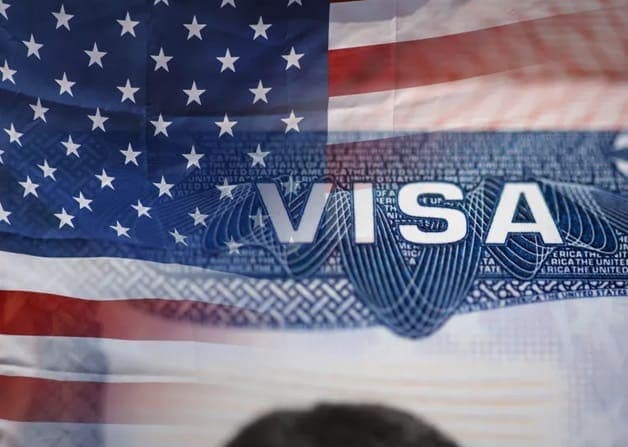
    US Visa Change Threatens Key Work Program for Kenyan Graduates | Streamline  Feed | Streamline

    Introduction to the Student Visa
    A student visa is an official document or endorsement that allows a person to enter and stay in a foreign country for the purpose of education. For millions of students around the world, it is the gateway to academic growth, cultural exchange, and personal development. Unlike tourist or work visas, a student visa is specifically designed to support long-term study and often comes with conditions related to enrollment status, attendance, and sometimes limited work rights. Understanding how a student visa works is essential before applying, because a small mistake in documents or eligibility can delay or even prevent your plans to study abroad.
    Why a Student Visa Matters
    A student visa is more than just permission to travel; it defines your legal identity in the host country during your studies. With it, you gain access to universities, housing, healthcare systems, and in many cases, part-time employment opportunities. Without a valid student visa, even a confirmed admission letter from a university has little value. Governments use the student visa system to ensure that international students are genuine, financially capable, and academically prepared. For students, this means the visa becomes a symbol of trust between them and the host country, making it a serious responsibility to follow the rules attached to it throughout their stay.
    Types of Student Visas Around the World
    Different countries offer different categories of student visas depending on the level and duration of study. For example, the United States has the F-1 visa for academic studies and the M-1 visa for vocational training, while the United Kingdom provides a Student Route visa for higher education and short-term study visas for brief courses. Australia, Canada, and many European countries have their own classifications, often separating language courses from degree programs. These differences matter because each category comes with unique rights, limitations, and extension possibilities. Choosing the wrong visa type can create legal issues later, so understanding the category that fits your academic plan is a crucial first step.
    The Application Process Explained student visa
    Applying for a student visa usually begins after receiving an official admission letter from a recognized educational institution. This letter confirms that you have been accepted into a program and are eligible to apply for a visa. The next step typically involves gathering documents such as proof of financial resources, academic records, passport, photographs, and sometimes language proficiency certificates. Many countries also require students to fill out online forms and attend an interview at an embassy or consulate. During the interview, officers may ask about your study plans, future goals, and reasons for choosing that particular country. The purpose is not to intimidate but to ensure that your intentions are genuinely educational.
    Financial and Language Requirements
    One of the most important parts of a student visa application is proving that you can afford your education and living expenses. This is usually done through bank statements, scholarship letters, or sponsor affidavits. Governments want to be sure that students will not face financial hardship or become dependent on unauthorized work. Similarly, language requirements are common, especially in countries where the primary language of instruction is English or another widely spoken language. Tests like IELTS, TOEFL, or other equivalents are often used to confirm that students can understand lectures, complete assignments, and participate in academic life without difficulty.
    Rights and Responsibilities of Student Visa Holders
    Holding a student visa comes with both privileges and responsibilities. On the positive side, many countries allow international students to work part-time during their studies and full-time during holidays, helping them gain experience and manage expenses. Students may also travel in and out of the host country within the validity of their visa. However, responsibilities are equally important. Students must remain enrolled full-time, maintain satisfactory academic progress, and respect local laws. Failing to attend classes, overstaying the visa, or violating work limits can lead to cancellation of the visa and even future travel bans.
    Common Challenges and How to Avoid Them
    Many students face challenges such as visa delays, document rejection, or misunderstanding of rules after arrival. These problems often arise from incomplete applications or lack of research. To avoid them, students should carefully read official guidelines, apply well before deadlines, and seek advice from trusted sources like university international offices or certified consultants. Keeping copies of all documents and staying informed about visa conditions can also prevent unnecessary stress later.
    Conclusion: Making the Most of Your Student Visa
    A student visa is not just a legal formality; it is the foundation of your international education experience. When handled correctly, it opens doors to world-class education, global friendships, and future career opportunities. By understanding the process, respecting the rules, and planning carefully, students can turn their student visa into a powerful tool for personal and professional growth. Studying abroad is a life-changing journey, and the student visa is the first step toward making that journey a reality.

  • Inside the DOJ Probe in Minnesota: What It Means and Why It Matters

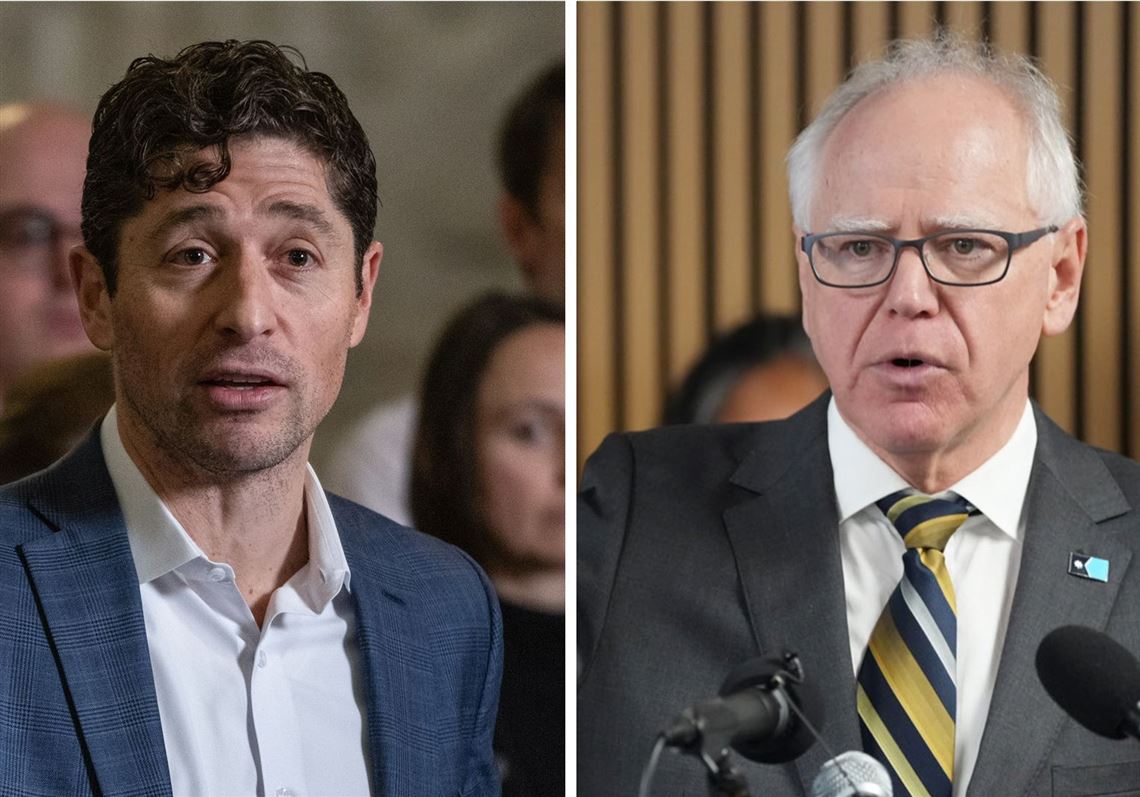
    DOJ investigating Minnesota governor, Minneapolis mayor, who decry probe as intimidation tactic | The Blade

    The announcement of a Department of Justice (DOJ) probe in Minnesota has drawn national attention, raising questions about accountability, federal oversight, and the balance between state and federal authority. While DOJ investigations are not uncommon, each one carries unique implications depending on what is being examined, who is involved, and how the findings might reshape policy or public trust. In Minnesota’s case, the probe has become a focal point for broader conversations about governance, civil rights, and the role of federal institutions in addressing alleged misconduct.

    Why the DOJ Steps In

    The DOJ typically initiates probes when there are credible concerns that federal laws may have been violated or that constitutional rights are at risk. These investigations can target a wide range of issues, from civil rights violations and discrimination to corruption, misuse of public funds, or systemic failures within public institutions. In Minnesota, the probe reflects a belief that the matter at hand is not merely local but carries potential national significance. Federal involvement signals that the issue may intersect with laws or protections that go beyond state jurisdiction, especially when patterns of behavior or institutional practices are under scrutiny rather than isolated incidents.

    The Scope of the Minnesota Probe DOJ probe Minnesota

    Although details of DOJ investigations are often limited in the early stages, the scope generally determines how deep and wide the inquiry will go. A narrow probe might focus on a single event or decision, while a broader one could examine years of records, policies, and leadership actions. In Minnesota, observers note that the DOJ is likely to analyze not only what happened, but also how and why it happened. This means interviewing officials, reviewing documents, and assessing whether existing safeguards failed or were ignored. Such a comprehensive approach aims to uncover systemic issues rather than simply assigning blame to individuals.

    Implications for State and Local Authorities

    For state and local officials in Minnesota, a DOJ probe can be both a challenge and an opportunity. On one hand, it places their actions under intense scrutiny, which can strain political relationships and public confidence. On the other hand, it offers a chance to address long-standing problems that may have been difficult to resolve internally. Cooperation with federal investigators is often emphasized, as resistance or lack of transparency can worsen public perception. In some cases, findings from a DOJ probe lead to consent decrees or mandated reforms, reshaping how agencies operate for years to come.

    Public Trust and Transparency

    One of the most significant effects of a DOJ probe is its impact on public trust. For residents of Minnesota, the investigation may raise concerns about whether their institutions are functioning fairly and effectively. Transparency becomes crucial during this period. While investigators cannot reveal everything in real time, clear communication about the process and its purpose can help prevent misinformation and speculation. When handled well, a probe can actually strengthen trust by demonstrating that no entity is beyond accountability, and that there are mechanisms in place to correct failures.

    Potential Outcomes and Reforms

    The conclusion of a DOJ probe can take many forms. In some cases, investigators find no wrongdoing, which can clear the names of those involved and restore confidence. In others, the findings lead to legal action, policy changes, or leadership turnover. For Minnesota, potential outcomes might include new regulations, improved oversight structures, or training programs designed to prevent similar issues in the future. Importantly, the goal is not merely punitive but corrective, aiming to create systems that better serve the public and comply with the law.

    Why This Matters Beyond Minnesota

    Although the probe is focused on Minnesota, its implications extend beyond state borders. DOJ investigations often set precedents, influencing how similar issues are handled elsewhere. They also signal federal priorities, indicating which types of conduct or institutional failures will attract close attention. For other states and local governments, the Minnesota probe serves as a reminder that federal oversight can and will intervene when necessary, encouraging proactive compliance and reform.

    Looking Ahead

    As the DOJ probe in Minnesota continues, patience will be required from both officials and the public. These investigations are complex and time-consuming by design, as rushing risks incomplete or inaccurate conclusions. What remains clear, however, is that such probes play a vital role in maintaining the integrity of democratic institutions. Whether the final outcome leads to exoneration, reform, or accountability, the process itself underscores a fundamental principle: that the rule of law applies at every level of government, and that scrutiny, when applied fairly, is a cornerstone of a healthy society.

  • Hello world!

    Welcome to BlogRip – Your Blog Network. This is your first post. Edit or delete it, then start writing!