Author: orbitbrief1

  • The Board of Peace: An Institution for Dialogue, Justice, and Conflict Resolution

    Trump launches 'Board of Peace' charter, vows to bring peace to Middle East  | Arab News PK

    Understanding the Concept of the Board of Peace
    The idea of a Board of Peace is rooted in the belief that conflicts, whether local, national, or international, can be addressed more effectively through structured dialogue rather than force. A Board of Peace is typically envisioned as an independent or semi-independent body composed of respected individuals such as diplomats, legal experts, community leaders, scholars, and civil society representatives. Its primary purpose is to prevent conflicts, mediate disputes, and promote reconciliation by creating platforms where opposing sides can communicate openly. Unlike military or purely political institutions, a Board of Peace focuses on negotiation, trust-building, and long-term harmony, recognizing that sustainable peace requires addressing underlying causes rather than merely suppressing symptoms of conflict.
    Historical Roots and Evolution
    The foundations of the Board of Peace concept can be traced back to early peace councils, tribal assemblies, and diplomatic forums that sought to resolve disputes through consensus. In ancient societies, elders often played a similar role by mediating disagreements and maintaining social balance. In the modern era, the devastation caused by large-scale wars led to renewed interest in institutional peace mechanisms. International bodies and national peace commissions emerged, inspired by the idea that organized, impartial dialogue could prevent violence. Over time, the Board of Peace evolved into a more structured entity, incorporating legal frameworks, conflict analysis, and inclusive representation to adapt to the complexities of modern political and social conflicts.
    Roles and Responsibilities
    A Board of Peace carries multiple responsibilities that go beyond simple mediation. One of its central roles is early warning and conflict prevention, which involves identifying social, economic, or political tensions before they escalate into violence. By conducting research, engaging with communities, and monitoring developments, the board can recommend timely interventions. Another key responsibility is mediation and negotiation, where the board facilitates discussions between conflicting parties in a neutral environment. Additionally, a Board of Peace often contributes to post-conflict reconciliation by supporting truth-telling initiatives, recommending justice mechanisms, and encouraging healing within affected communities. Through these roles, the board acts as both a guardian against conflict and a guide toward recovery.
    Importance in a Divided World
    In a world increasingly marked by polarization, misinformation, and geopolitical rivalry, the relevance of a Board of Peace has grown significantly. Traditional power-based approaches to conflict resolution often fail to produce lasting results, as they may ignore social grievances or exclude marginalized voices. A Board of Peace emphasizes inclusivity and dialogue, ensuring that all stakeholders, including minorities and vulnerable groups, have a voice in peace processes. This inclusive approach not only enhances legitimacy but also increases the likelihood of durable solutions. By fostering mutual understanding and reducing mistrust, the board helps transform adversarial relationships into cooperative ones, which is essential for long-term stability. Mount Maunganui landslide
    Challenges and Criticisms
    Despite its potential, the Board of Peace model faces several challenges. One major criticism is the lack of enforcement power, as many boards rely on moral authority rather than legal or military force. This can limit their effectiveness when parties are unwilling to cooperate. Political interference is another concern, as governments or powerful actors may attempt to influence the board’s decisions. Additionally, ensuring true neutrality and balanced representation can be difficult, especially in deeply divided societies. However, these challenges do not negate the value of the Board of Peace; instead, they highlight the need for clear mandates, transparency, and strong public trust.
    The Future of the Board of Peace
    Looking ahead, the Board of Peace is likely to play an increasingly important role in global and local governance. As conflicts become more complex and interconnected, there is a growing recognition that peace cannot be imposed but must be built collectively. By integrating modern tools such as data analysis, digital communication, and cross-cultural education, future Boards of Peace can enhance their effectiveness. Ultimately, the success of a Board of Peace depends on societal commitment to dialogue, justice, and empathy. When supported by political will and public engagement, it can serve as a powerful instrument for building a more peaceful and cooperative world.

  • Mount Maunganui Landslide: Causes, Consequences, and Community Response

    Fire and Emergency New Zealand’s specialist Urban Search and Rescue (USAR) team continues to work closely with police on the search for persons unaccounted for at the Mount Maunganui landslip., ...


    Introduction to the Mount Maunganui Landslide
    Mount Maunganui, often referred to simply as “The Mount,” is one of New Zealand’s most iconic coastal landmarks, known for its scenic walking tracks, cultural importance, and popularity among tourists and locals alike. However, beneath its natural beauty lies a landscape shaped by geological forces that can sometimes pose serious risks. The Mount Maunganui landslide events have drawn attention to the vulnerability of steep coastal landforms, especially in the face of heavy rainfall, erosion, and increasing human activity. Understanding these landslides is essential not only for protecting lives and infrastructure but also for preserving the natural and cultural value of the area.

    Geographical and Geological Background Uvalde officer acquitted
    Mount Maunganui is a dormant volcanic cone composed largely of volcanic rock, ash, and soil layers that have accumulated over thousands of years. Its steep slopes and proximity to the ocean make it particularly susceptible to erosion. The mountain is constantly exposed to wind, waves, and rainfall, all of which slowly weaken its structure. Over time, water seeps into cracks and soil layers, reducing stability and increasing the likelihood of slope failure. While landslides are a natural part of the mountain’s geological evolution, their impacts become more severe when they occur near walking tracks, roads, and residential areas.

    Causes Behind the Landslide Events
    The primary trigger for landslides at Mount Maunganui has often been intense or prolonged rainfall. Heavy rain saturates the soil, increasing its weight and reducing friction between soil layers, which can cause sections of the slope to collapse. In some cases, storms combined with high tides and strong wave action further erode the base of the mountain, undermining slope stability. Human factors, such as construction, foot traffic on walking tracks, and vegetation removal, can also contribute by disturbing natural drainage patterns and weakening the soil structure. Climate change is increasingly viewed as an additional risk factor, as more frequent extreme weather events raise the probability of future landslides.

    Impact on the Environment and Infrastructure
    When a landslide occurs at Mount Maunganui, the immediate environmental impact can be significant. Large volumes of soil and rock may fall onto tracks or beaches, damaging vegetation and altering natural habitats. Walking tracks are often closed for safety inspections and repairs, affecting tourism and recreational activities. In more severe cases, landslides pose a risk to nearby roads and properties, leading to costly repairs and temporary disruptions for residents and businesses. Beyond physical damage, there is also a psychological impact, as locals and visitors may feel less safe using areas they once considered stable and secure.

    Community and Government Response
    Local authorities and community groups play a crucial role in responding to landslide risks at Mount Maunganui. After a landslide, engineers and geologists assess the stability of the slopes to determine whether further movement is likely. Temporary closures, warning signs, and safety barriers are commonly used to reduce risk to the public. In the longer term, councils invest in monitoring systems, improved drainage, and slope stabilization measures such as retaining structures or revegetation projects. Public awareness campaigns also help educate people about staying safe during and after heavy rainfall, emphasizing the importance of respecting track closures and warning notices.

    Future Risk Management and Prevention
    Managing landslide risk at Mount Maunganui requires a balance between public access and safety. Ongoing monitoring using modern technology, including ground sensors and aerial surveys, allows authorities to detect early signs of slope movement. Maintaining vegetation cover is another key strategy, as plant roots help bind soil and reduce erosion. As climate patterns continue to change, long-term planning will become even more important, with a focus on adapting infrastructure and land use to increased environmental pressures. By combining scientific understanding, community cooperation, and responsible management, the risks associated with Mount Maunganui landslides can be reduced while preserving the mountain’s natural beauty.

    Conclusion
    The Mount Maunganui landslide events highlight the dynamic and sometimes unpredictable nature of coastal landscapes. While landslides are a natural geological process, their effects can be managed through careful planning, monitoring, and public awareness. Protecting both people and the environment ensures that Mount Maunganui remains a cherished landmark for future generations, respected not only for its

  • The Tiananmen Vigil Trial: Law, Memory, and the Struggle Over Public Commemoration
    Nat. security trial for Tiananmen vigil group to begin in NovemberThe Tiananmen Vigil Trial: Law, Memory, and the Struggle Over Public Commemoration
    Background of the Tiananmen Vigil
    For decades, the annual Tiananmen vigil stood as one of the most visible public commemorations of the 1989 Tiananmen Square crackdown, particularly in Hong Kong, where civil liberties historically allowed open remembrance. Organized by pro-democracy groups, the vigil drew thousands who gathered to light candles, observe moments of silence, and reaffirm calls for accountability and historical truth. The event became more than a memorial; it symbolized the preservation of collective memory in a region where discussion of June 4 is heavily restricted elsewhere in China. As political conditions in Hong Kong shifted in recent years, authorities increasingly viewed the vigil through the lens of public order and national security, setting the stage for legal confrontation.
    Origins of the Trial and Charges
    The Tiananmen vigil trial emerged from the government’s decision to ban recent iterations of the event, citing public health restrictions and later broader security concerns. Organizers and prominent activists were charged with offenses such as inciting participation in an unauthorized assembly or organizing an unlawful gathering. Prosecutors argued that calls to attend the vigil, even without physical organization on the ground, constituted a breach of the law. Defendants countered that their actions amounted to peaceful expression and remembrance, protected under freedoms of assembly and speech. The trial thus became a focal point for debates over how laws are interpreted when political expression is involved.
    Legal Framework and Court Proceedings
    At the heart of the case lay the application of Hong Kong’s public order legislation, alongside the broader influence of newer security-oriented legal standards. During proceedings, courts examined whether online posts, slogans, or symbolic gestures could be considered active organization of an illegal event. The prosecution emphasized deterrence and rule of law, maintaining that permission requirements applied regardless of motive. Defense lawyers highlighted proportionality, arguing that commemorative speech should not be equated with public disorder. Judges were tasked with navigating a narrow legal path, weighing statutory language against long-standing expectations of civil liberties within the city’s legal tradition.
    Implications for Civil Liberties
    The trial’s implications extended far beyond the individuals charged. For many observers, it signaled a contraction of space for peaceful assembly and political expression. Critics warned that criminalizing commemoration risks erasing historical memory and discouraging civic participation. Supporters of the government’s approach argued that clear enforcement of the law ensures stability and prevents selective compliance. Regardless of perspective, the case underscored a recalibration of rights, where actions once tolerated or protected are now subject to stricter scrutiny, reshaping how citizens engage with sensitive historical topics. Tiananmen vigil trial
    International Reactions and Public Response
    Internationally, the Tiananmen vigil trial drew attention from human rights organizations and foreign governments, many of which expressed concern over the precedent it set. Statements emphasized the importance of safeguarding freedom of expression and the right to peaceful assembly. Locally, public reaction was mixed but intense, with some residents expressing quiet solidarity through private remembrance, while others accepted official explanations centered on legality and order. The diminished scale of public commemoration highlighted how legal outcomes can influence social behavior, even without explicit bans on memory itself.
    Conclusion: Memory on Trial
    Ultimately, the Tiananmen vigil trial represented more than a legal dispute; it was a contest over how history is remembered and who gets to shape public narratives. The verdicts and sentences, whatever their specifics, reflected a broader transformation in governance and civic life. As Hong Kong continues to redefine its legal and political boundaries, the trial stands as a marker of this transition, illustrating how law can become a powerful arbiter of memory, expression, and the limits of public commemoration in a changing society.

  • Global Markets in an Interconnected World

    1+ Million Global Markets Royalty-Free Images, Stock Photos & Pictures |  Shutterstock
    Understanding the Structure of Global Markets
    Global markets refer to the network of financial and commodity exchanges where goods, services, currencies, and financial instruments are traded across national borders. These markets include stock exchanges, bond markets, foreign exchange platforms, and commodity markets such as oil, gold, and agricultural products. What makes global markets unique is their high level of interconnectedness, where economic events in one country can quickly influence prices and investor behavior worldwide. Advances in technology and communication have enabled real-time trading and instant information flow, allowing investors to react immediately to political decisions, economic data releases, or unexpected global events. As a result, global markets operate almost continuously, moving from Asian sessions to European and then North American trading hours, creating a dynamic and constantly evolving financial environment.
    Key Drivers Influencing Global Market Movements
    Several factors drive the performance and direction of global markets, with economic indicators being among the most influential. Data such as gross domestic product growth, inflation rates, employment figures, and consumer spending provide insights into the health of an economy and shape investor expectations. Central bank policies also play a crucial role, as decisions on interest rates and monetary stimulus directly affect borrowing costs, currency values, and investment flows. In addition to economic factors, geopolitical events such as trade agreements, conflicts, sanctions, and elections can create uncertainty or optimism, leading to market volatility. Investor sentiment, often influenced by news, forecasts, and risk perception, further amplifies market movements, sometimes pushing prices beyond what fundamentals alone would suggest.
    Role of Emerging Markets in the Global Economy
    Emerging markets have become increasingly important within global markets due to their rapid economic growth and expanding consumer bases. Countries in regions such as Asia, Latin America, and Africa often offer higher growth potential compared to developed economies, attracting foreign investment seeking better returns. These markets contribute significantly to global production, manufacturing, and commodity supply, making them essential to global trade flows. However, emerging markets also tend to experience higher volatility because they can be more sensitive to capital outflows, currency fluctuations, and political instability. Despite these risks, their long-term impact on global markets continues to grow as infrastructure improves, middle classes expand, and integration with the global financial system deepens.
    Impact of Technology and Digitalization on Global Markets global markets
    Technology has transformed global markets by increasing efficiency, transparency, and accessibility. Electronic trading platforms allow investors from different parts of the world to participate in markets that were once limited to local institutions. Algorithmic and high-frequency trading have changed how transactions are executed, often increasing liquidity but also raising concerns about market stability during periods of stress. Digitalization has also led to the rise of new asset classes, such as cryptocurrencies and digital tokens, which operate on decentralized networks and challenge traditional financial systems. While these innovations offer new opportunities, they also require updated regulations and risk management practices to ensure market integrity and investor protection on a global scale.
    Challenges and Future Outlook for Global Markets
    Despite their benefits, global markets face several challenges that will shape their future development. Economic inequality, rising debt levels, climate change, and supply chain disruptions pose risks to long-term stability. Regulatory differences between countries can create barriers to seamless market integration, while protectionist policies may reduce cross-border trade and investment. At the same time, global markets are expected to continue evolving as sustainability becomes a central focus, with environmental, social, and governance considerations influencing investment decisions. Looking ahead, the future of global markets will likely be defined by a balance between innovation and regulation, cooperation and competition, as nations and investors navigate an increasingly complex and interconnected global economy.

  • China’s Marriage Rebound: Signals of Social Change and Policy Impact

    Chinese authorities play cash-giving Cupid to boost marriage rates

    Introduction to the Marriage Rebound Trend
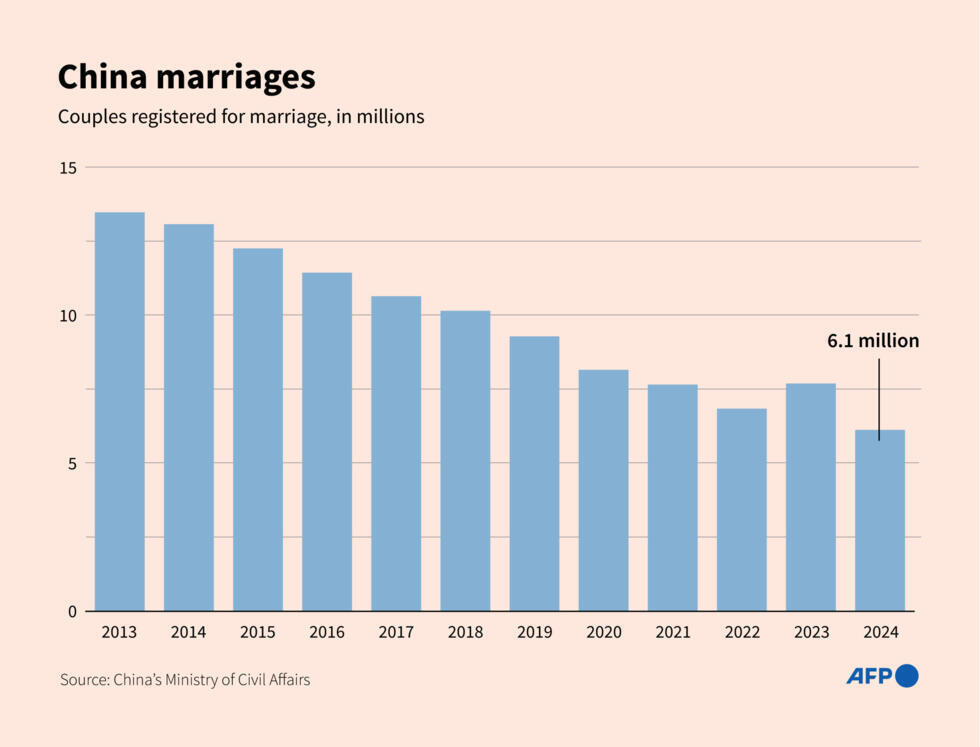
    In recent years, China has begun to witness a modest but notable rebound in marriage registrations after a prolonged period of decline. This shift has attracted attention from demographers, policymakers, and social observers because marriage trends in China are closely tied to broader issues such as population growth, economic confidence, and cultural transformation. For much of the past decade, marriage rates steadily fell as young people delayed or avoided formal unions due to rising living costs, career pressures, and changing attitudes toward family life. The recent rebound does not suggest a full return to past norms, but it does indicate that a combination of social adaptation and policy intervention may be influencing personal decisions once again.
    Economic Recovery and Its Role in Marriage Decisions
    One of the most important drivers behind the marriage rebound is gradual economic stabilization following years of uncertainty. Employment prospects, while still competitive, have improved in some urban sectors, giving young adults greater confidence in long-term planning. Marriage in China is often linked to financial readiness, including home ownership, savings, and the ability to support future children. When economic expectations improve, even slightly, couples who previously postponed marriage may feel more secure about formalizing their relationships. Local governments have also taken steps to reduce marriage-related financial burdens, such as simplifying wedding procedures and discouraging extravagant bride prices, which historically placed pressure on families and discouraged unions. China marriage rebound
    Policy Adjustments and Government Encouragement
    Government policy has played a direct role in encouraging marriage, particularly as concerns over population decline intensify. China’s low birth rate and aging population have pushed authorities to promote family formation as part of a broader demographic strategy. In several regions, incentives such as extended marriage leave, housing benefits, and childcare support have been introduced to make marriage more attractive. Administrative reforms have also made marriage registration more convenient by allowing couples to register outside their place of household registration. These policy adjustments signal official recognition that social realities have changed and that traditional expectations must be adapted to modern lifestyles.
    Changing Attitudes Among Young People
    Despite the rebound, attitudes toward marriage among younger generations remain complex and cautious. Many young Chinese adults still prioritize personal development, emotional compatibility, and mental well-being over early marriage. The rebound reflects not a reversal of these values, but rather a recalibration. Couples who choose marriage today often do so with clearer expectations and a desire for partnership rather than obligation. This shift may lead to fewer but potentially more stable marriages, as individuals enter unions after careful consideration rather than social pressure. The growing acceptance of later marriage also means that rebounds may appear uneven across age groups and regions.
    Urban and Rural Differences in Marriage Patterns
    Marriage trends in China continue to vary significantly between urban and rural areas. Urban centers, with higher living costs and intense work cultures, still experience lower marriage rates compared to smaller cities and rural regions. However, recent data suggest that some smaller cities are leading the rebound due to targeted incentives, lower housing costs, and stronger community ties. Rural areas, while traditionally maintaining higher marriage rates, face challenges such as gender imbalances and youth migration to cities. The current rebound highlights how localized policies and economic conditions can strongly influence personal life choices.
    Implications for China’s Demographic Future
    The marriage rebound offers cautious optimism for China’s demographic outlook, but it is not a complete solution to long-term population challenges. Marriage does not automatically lead to higher birth rates, especially as many couples still hesitate to have multiple children. However, a stabilization in marriage trends may help slow demographic decline and create conditions for gradual improvement. More importantly, the rebound reflects a society in transition, where marriage is being reshaped to fit contemporary realities. Understanding this shift is essential for designing policies that respect individual choice while addressing national demographic concerns.

  • Portugal Presidential Election: Process, Powers, and Political Significance

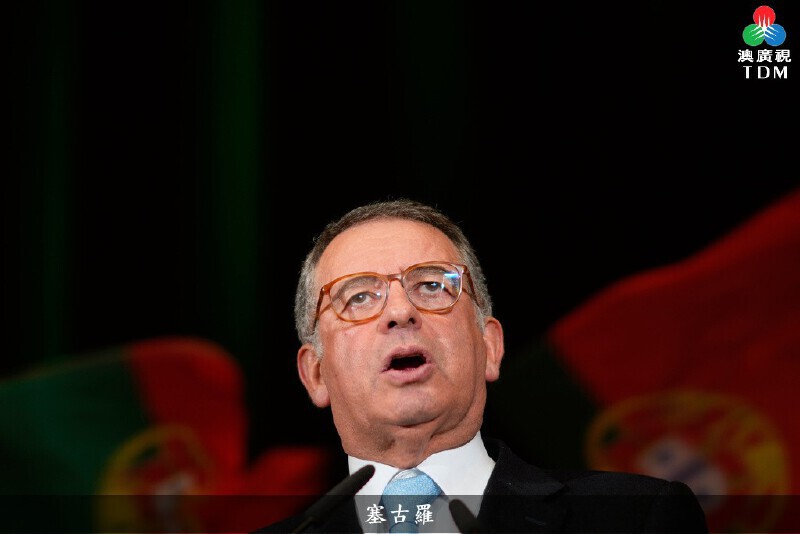
    澳廣視新聞|Center left wins Portugal presidential election first round, setting  up showdown with far right|Center left wins Portugal presidential election  first round, setting up showdown with far right


    Introduction to the Portuguese Presidential System

    The Portugal presidential election is a key democratic event that reflects the country’s commitment to constitutional governance and political stability. Portugal operates under a semi-presidential system, where executive power is shared between the President of the Republic and the government led by the Prime Minister. Although the president does not govern on a daily basis, the office carries significant authority and symbolic importance. Presidential elections in Portugal are held every five years and are conducted through a direct popular vote, allowing citizens to choose their head of state. This system has played a major role in maintaining democratic continuity since the end of authoritarian rule in 1974.

    Role and Powers of the President of Portugal

    The president of Portugal serves as a guarantor of the constitution and the proper functioning of democratic institutions. While the prime minister manages government policy, the president has the power to appoint the prime minister, dissolve parliament under certain conditions, veto legislation, and call elections. These powers make the presidency an influential position, particularly during times of political instability. The president also represents Portugal internationally and acts as commander-in-chief of the armed forces. As a result, presidential candidates are often judged not only on political ideology but also on credibility, independence, and ability to act as a unifying national figure.

    Election Process and Voting System Portugal presidential election

    Portugal’s presidential election uses a two-round system designed to ensure that the winning candidate has broad public support. In the first round, all eligible candidates compete, and if one candidate receives more than 50 percent of the votes, they are elected outright. If no candidate reaches this majority, a second round is held between the two candidates with the highest number of votes. This runoff system strengthens democratic legitimacy and encourages voter participation. Portuguese citizens aged 18 and older are eligible to vote, and voting is conducted by secret ballot to protect electoral integrity.

    Political Landscape and Candidates

    Presidential elections in Portugal often feature candidates from across the political spectrum, including those supported by major parties as well as independents. Although political parties play a role in endorsing candidates, the presidency is expected to remain above day-to-day party politics. This has led to the election of presidents who emphasize moderation, dialogue, and constitutional responsibility. Campaigns typically focus on national unity, economic stability, social cohesion, and Portugal’s role within the European Union. Media debates, public appearances, and policy statements help voters assess the candidates’ leadership qualities rather than detailed legislative agendas.

    Historical Context and Democratic Importance

    Since the restoration of democracy, Portugal has held regular and peaceful presidential elections, reinforcing public trust in democratic institutions. The presidency has often acted as a stabilizing force during economic crises, minority governments, or parliamentary deadlock. Presidents have used their constitutional powers carefully, balancing intervention with respect for elected governments. This historical experience has shaped public expectations, making voters attentive to a candidate’s commitment to democratic values, transparency, and institutional balance. Each election therefore serves not only to select a leader but also to reaffirm Portugal’s democratic identity.

    Conclusion: Why the Presidential Election Matters

    The Portugal presidential election is more than a routine political event; it is a reflection of the country’s democratic maturity and constitutional balance. By directly electing their president, Portuguese citizens play an active role in shaping national leadership and safeguarding democratic norms. The combination of meaningful presidential powers, a fair electoral system, and an engaged electorate ensures that the presidency remains a respected and influential institution. As Portugal continues to face social, economic, and international challenges, presidential elections will remain a crucial moment for national reflection and democratic participation.

  • Guatemala Under a State of Siege: Causes, Consequences, and National Debate

    Guatemala declares state of siege for 3 killed soldiers


    Understanding the State of Siege in Guatemala
    A state of siege in Guatemala is one of the most severe constitutional emergency measures available to the government. It allows authorities to temporarily suspend certain civil liberties in order to restore public order when the country faces serious threats such as armed violence, organized crime, or internal unrest. In recent years, Guatemala has repeatedly turned to this measure in specific regions, particularly areas affected by drug trafficking, gang activity, and violent disputes over land and natural resources. While the government presents the state of siege as a necessary response to extraordinary danger, it has also sparked intense national and international debate over democracy, human rights, and the rule of law.

    Historical and Political Context Guatemala state of siege
    Guatemala’s reliance on emergency powers cannot be separated from its history. After decades of civil war that ended in 1996, the country struggled to rebuild institutions weakened by conflict, corruption, and inequality. Many rural regions were left with limited state presence, making them vulnerable to criminal organizations. Over time, drug trafficking groups and illegal armed actors filled these gaps, especially along borders and remote territories. When violence escalates beyond the control of civilian police, the government often deploys the army under a state of siege, framing it as a continuation of the state’s duty to protect citizens where ordinary governance has failed.

    Reasons Behind Recent Declarations
    Recent declarations of a state of siege have usually followed high-profile violent incidents, including attacks on security forces, clashes between communities and armed groups, or the discovery of drug trafficking networks. The government argues that these situations represent a direct threat to national security. Under a state of siege, authorities can restrict freedom of movement, limit public gatherings, carry out searches without standard warrants, and place the military in charge of public security. Supporters claim these measures allow for swift action against heavily armed groups that local police are not equipped to confront.

    Impact on Civil Liberties and Daily Life
    For residents living under a state of siege, daily life can change dramatically. Military checkpoints become common, public demonstrations are often prohibited, and communities experience increased surveillance. While some citizens report feeling safer due to the visible presence of security forces, others feel intimidated and silenced. Human rights organizations have raised concerns that these measures disproportionately affect rural and Indigenous communities, who already face social and economic marginalization. Critics argue that the suspension of constitutional rights, even temporarily, risks abuse of power and weakens democratic norms.

    Security Gains Versus Long-Term Solutions
    The effectiveness of a state of siege remains contested. In the short term, the government often points to arrests, seizures of weapons, and the restoration of basic order as evidence of success. However, many analysts note that once the emergency period ends, underlying problems frequently resurface. Poverty, lack of economic opportunity, weak justice systems, and corruption continue to fuel violence and criminal influence. Without sustained investment in social development, education, and institutional reform, a state of siege may only offer temporary relief rather than a lasting solution.

    Public Debate and International Attention
    The repeated use of states of siege has generated strong reactions within Guatemala and beyond. Civil society groups, journalists, and opposition figures question whether emergency powers are being overused as a political tool rather than a last resort. International organizations closely monitor these situations, urging the government to balance security needs with respect for human rights and transparency. The debate reflects a broader struggle in Guatemala between maintaining order and strengthening democracy in a context marked by deep historical wounds.

    Conclusion
    Guatemala’s state of siege represents a powerful but controversial response to serious security challenges. While it can provide the government with immediate control in moments of crisis, it also exposes tensions between authority and freedom. The ongoing challenge for Guatemala is to move beyond emergency measures and address the structural causes of violence, ensuring that security is achieved not only through force, but through justice, inclusion, and long-term national development.

  • Tragedy in the Heart of the City: The Karachi Mall Fire

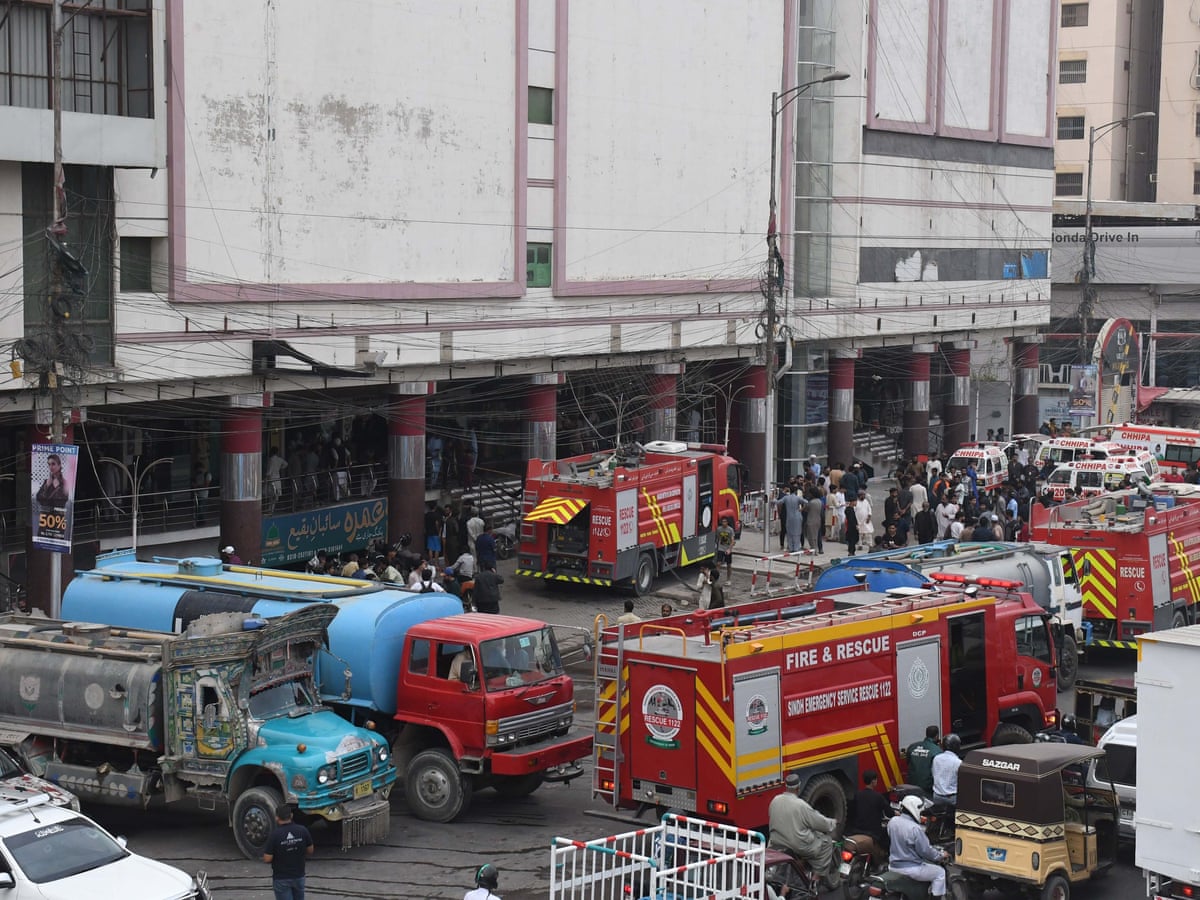
    Pakistan: shopping mall fire in Karachi kills at least 11 people | Pakistan  | The Guardian
    Introduction to the Incident
    The Karachi mall fire stands as one of the most distressing urban tragedies in the city’s recent history, exposing serious weaknesses in building safety, emergency preparedness, and regulatory enforcement. The incident occurred in a busy commercial area where hundreds of people visit daily for shopping, dining, and entertainment. When the fire broke out, thick smoke spread rapidly through the building, creating panic among shoppers and staff. Many people were trapped inside due to blocked exits and malfunctioning safety systems, turning what should have been a safe public space into a deadly environment within minutes.
    How the Fire Started and Spread
    Initial investigations suggested that the fire may have originated from an electrical short circuit, a common cause of fires in commercial buildings across Karachi. Faulty wiring, overloaded circuits, and poor maintenance are persistent issues in many malls and plazas. Once the fire ignited, it spread quickly due to flammable interior materials and inadequate fire-resistant construction. The absence of proper fire compartmentalization allowed flames and smoke to move freely across floors. Witnesses reported that fire alarms either did not function or were not audible, delaying evacuation and worsening the situation for those inside.
    Challenges Faced During Rescue Operations Karachi mall fire
    Rescue efforts were launched immediately by firefighters, police, and emergency medical teams, but they faced numerous obstacles. Narrow access roads and heavy traffic slowed the arrival of fire tenders, while insufficient water pressure hampered firefighting efforts. Firefighters struggled to reach upper floors due to a lack of external fire escapes and non-functional internal staircases filled with smoke. Many victims suffered from smoke inhalation rather than burns, highlighting the deadly role of toxic fumes in enclosed fires. Despite these challenges, rescue teams worked tirelessly for hours, saving lives and recovering those who could not escape.
    Impact on Victims and the Community
    The human cost of the Karachi mall fire was immense, with multiple fatalities and dozens of injuries reported. Families lost loved ones in a place meant for leisure and daily activity, leaving emotional scars that will take years to heal. Survivors described terrifying moments of darkness, suffocation, and confusion as they searched for exits. The incident also deeply affected the wider community, sparking fear and anger among citizens who questioned how such a disaster could occur in a major commercial hub. Businesses within the mall suffered massive financial losses, and many workers were left temporarily unemployed.
    Safety Violations and Regulatory Failures
    In the aftermath, attention turned toward safety violations and the failure of authorities to enforce building regulations. Reports revealed that the mall lacked essential fire safety measures such as sprinkler systems, clearly marked emergency exits, and regular fire drills. In some cases, exits were reportedly locked or obstructed to prevent theft, a practice that proved fatal during the emergency. Regulatory bodies were criticized for issuing completion certificates without thorough inspections. This tragedy highlighted a broader pattern of negligence where profit is prioritized over human safety in urban development.
    Lessons Learned and the Way Forward
    The Karachi mall fire serves as a grim reminder of the urgent need for reform in fire safety standards and enforcement. Authorities must conduct regular inspections, ensure compliance with safety codes, and impose strict penalties for violations. Building owners must take responsibility for installing and maintaining proper safety systems, while employees and visitors should be educated about emergency procedures. Public awareness and accountability are crucial to preventing similar tragedies in the future. Only through collective effort and serious commitment can Karachi hope to protect lives and restore public trust in its commercial spaces.

  • Japan’s Snap Election: Causes, Campaign Dynamics, and National Implications

    Japan election: How a bad night for Ishiba's LDP unfolded - Nikkei Asia

    Understanding the Context of a Snap Election in Japan
    A snap election in Japan refers to the sudden dissolution of the House of Representatives by the prime minister before the end of its four-year term, triggering a general election. This political mechanism is legally permitted under Japan’s constitution and has often been used as a strategic tool by sitting leaders to strengthen their mandate, manage internal party divisions, or take advantage of favorable public opinion. In recent decades, snap elections have become a recurring feature of Japanese politics, reflecting both the flexibility and volatility of the country’s parliamentary system. The announcement of a snap election typically follows a period of political pressure, such as declining approval ratings, legislative deadlock, or the emergence of controversial policy issues that require public validation through the ballot box.
    Key Reasons Behind Calling the Snap Election
    The decision to call a snap election is rarely driven by a single factor and usually reflects a combination of political calculations. One major reason is the desire of the ruling party, often led by the Liberal Democratic Party, to capitalize on a moment of relative strength before economic or social conditions worsen. For example, if the government introduces unpopular reforms or faces criticism over inflation, defense spending, or demographic challenges, holding an election earlier can reduce electoral damage. Another important factor is internal party dynamics, where a prime minister may seek to marginalize rivals by winning a fresh mandate from voters. Additionally, snap elections are sometimes framed as a way to seek public approval for major policy shifts, such as changes in national security strategy or economic stimulus packages.
    Major Parties and Their Campaign Strategies
    In a snap election, campaign strategies tend to be fast-paced and highly focused due to the short preparation time. The ruling party usually emphasizes stability, continuity, and experience, arguing that sudden leadership change could disrupt economic recovery and foreign relations. Opposition parties, on the other hand, attempt to frame the snap election as unnecessary or opportunistic, accusing the government of prioritizing political survival over public welfare. They often focus on issues such as cost of living pressures, wage stagnation, social security, and transparency in governance. Because voters have limited time to evaluate competing platforms, messaging tends to be simple, repetitive, and centered on a few headline issues that resonate strongly with the public.
    Role of Public Opinion and Media Coverage
    Public opinion plays a decisive role in shaping the outcome of a snap election, particularly because turnout can fluctuate significantly. Media coverage intensifies immediately after the dissolution of parliament, with television debates, newspaper editorials, and online platforms analyzing every move of party leaders. Opinion polls are closely watched and can influence campaign momentum, sometimes creating a bandwagon effect in favor of parties perceived as likely winners. Social media has also become increasingly influential in recent elections, allowing candidates to communicate directly with younger voters, though traditional media still holds substantial sway among older demographics, who represent a large portion of Japan’s electorate.
    Economic and Foreign Policy Implications
    The results of a snap election have important consequences for Japan’s economic and foreign policy direction. A strong victory for the ruling coalition may enable the government to push forward structural reforms, defense cooperation with allies, and long-term fiscal strategies. Conversely, a weakened mandate or losses for the ruling party can slow decision-making and increase policy uncertainty. Internationally, allies and investors closely monitor snap elections, as political instability or leadership changes can affect trade negotiations, defense commitments, and regional diplomacy in East Asia. japan snap election
    What the Snap Election Means for Japan’s Democracy
    While snap elections are sometimes criticized as politically motivated, they are also an expression of Japan’s democratic framework, giving citizens the opportunity to judge their leaders more frequently. For voters, a snap election represents both a challenge and a responsibility, as they must quickly assess policy records and future promises. Ultimately, the outcome reflects public trust in governance and shapes Japan’s political trajectory, making snap elections a pivotal moment in the country’s democratic life.

  • The Spain Train Crash: A Tragic Reminder of the Cost of Speed and Safety Introduction: When Progress Meets Tragedy

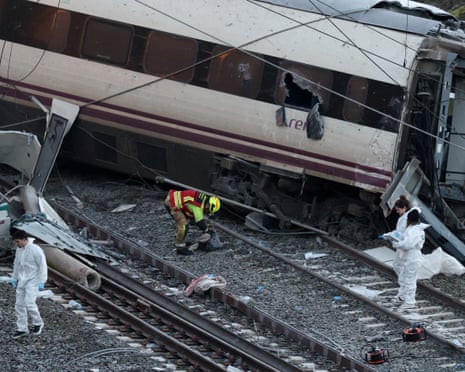
    Spain train collision investigators examine rail damage theory | Spain | The Guardian

    The Spain train crash stands as one of the most heartbreaking transportation disasters in modern Spanish history, not only because of the lives lost but because it exposed how fragile even advanced systems can be when human judgment, technology, and infrastructure fail to align perfectly. Train travel in Spain has long been celebrated for its speed, efficiency, and comfort, especially with the expansion of high-speed rail networks connecting major cities. Yet, in a single devastating moment, public confidence was shaken, and a nation was forced to confront painful questions about safety, responsibility, and the true price of modern mobility.
    What Happened: The Day of the Crash
    The most widely remembered Spain train crash occurred on July 24, 2013, near Santiago de Compostela in the region of Galicia. A high-speed train traveling from Madrid to Ferrol derailed on a sharp curve just outside the city, causing several carriages to overturn and crash into surrounding structures. The train was reportedly traveling at more than twice the recommended speed for that section of track, turning what should have been a routine journey into a catastrophe. Seventy-nine people lost their lives and more than a hundred were injured, making it one of the deadliest rail accidents in Spain’s recent history. Witnesses described scenes of chaos and horror, with twisted metal, scattered luggage, and passengers desperately trying to escape the wreckage while rescue teams rushed to pull survivors from the debris.
    Causes: Human Error and Systemic Gaps
    While initial shock focused on the violence of the crash itself, investigations soon turned toward understanding how such a disaster could occur on a modern rail network. The primary cause was identified as excessive speed, with the train entering a dangerous curve far faster than safety standards allowed. However, reducing the tragedy to a single mistake would be too simplistic. The accident revealed deeper systemic problems, including inadequate safety controls, insufficient automated braking systems on that stretch of track, and a heavy reliance on human vigilance rather than technological safeguards. The driver admitted to being distracted and losing track of speed, which highlighted how even experienced professionals are vulnerable when systems fail to provide enough layers of protection.
    Impact on Victims and Society
    Beyond statistics and technical explanations lies the real heart of the tragedy: the people affected. Families lost loved ones in a matter of seconds, and survivors were left with physical injuries and long-term psychological trauma. For many Spaniards, the crash was not just a news story but a collective wound that reopened fears about travel safety. Vigils were held across the country, and messages of sympathy poured in from around the world, reminding everyone that transportation disasters resonate far beyond national borders. The crash also sparked public debate about whether speed and efficiency had been prioritized over caution and whether authorities had done enough to prevent such an outcome.
    Legal and Political Aftermath
    In the years following the crash, legal battles and political scrutiny intensified. Investigations examined not only the train driver’s actions but also the responsibilities of railway authorities and government bodies. Critics argued that warnings about the dangerous curve had been ignored and that cost-cutting and design decisions played a role in leaving that section of track without adequate automatic safety systems. Court proceedings stretched over several years, reflecting the complexity of assigning blame in a disaster where human error intersected with institutional shortcomings. The case became a symbol of how difficult it is to balance accountability with the reality of large, interconnected systems.
    Lessons Learned and Safety Reforms Spain train crash
    Perhaps the most important legacy of the Spain train crash is the set of lessons it forced the railway industry to confront. After the accident, Spain and other European countries reviewed their safety protocols, particularly regarding speed control and automated braking systems. There was a renewed push to ensure that high-risk sections of track are equipped with technologies that can intervene when human judgment falters. Training programs for drivers were also reevaluated, with greater emphasis on situational awareness and fatigue management. While no reform can undo the pain suffered, these changes aim to reduce the likelihood of similar tragedies in the future.
    Conclusion: Remembering and Moving Forward
    The Spain train crash remains a sobering reminder that progress, no matter how impressive, must always be anchored in safety and humility. As rail networks continue to expand and trains become faster, the need for robust safety systems and responsible decision-making grows even more urgent. Remembering this tragedy is not just about honoring those who lost their lives, but about ensuring that their loss leads to meaningful change. In doing so, Spain and the world can strive to make modern travel not only faster and more efficient, but also truly safe for everyone.