Author: orbitbrief1

  • Trump’s 100 Percent Tariff: Understanding the Policy, Its Motives, and Its Potential Impact

    US President Donald Trump on Saturday warned Canada that if it concludes a  trade deal with China, he will impose a 100 percent tariff on all goods  coming over the border. If


    The idea of a “Trump 100 percent tariff” refers to proposals and statements made by former U.S. President Donald Trump about imposing extremely high tariffs, sometimes as high as 100 percent, on certain imported goods. This concept gained attention during his presidency and again during later political campaigns, especially in discussions about trade with countries like China. Tariffs are taxes placed on imported goods, and a 100 percent tariff would effectively double the price of targeted products, making them far more expensive in the U.S. market. Trump has consistently framed such measures as tools to protect American industries, workers, and national security, arguing that unfair trade practices by foreign countries justify aggressive responses.
    The Political and Economic Motivation Behind the Tariff
    Trump’s tariff strategy is rooted in his “America First” economic philosophy. He has long argued that globalization and free trade agreements harmed U.S. manufacturing by encouraging companies to move production overseas. From this perspective, a 100 percent tariff is not just an economic measure but also a political statement aimed at pressuring foreign governments to renegotiate trade terms. Trump has claimed that countries benefiting from access to the U.S. market should play by what he considers fair rules, including respecting intellectual property, reducing trade imbalances, and avoiding currency manipulation. By threatening or imposing extremely high tariffs, he seeks to gain leverage in negotiations while signaling toughness to domestic voters.
    How a 100 Percent Tariff Would Work in Practice
    If implemented, a 100 percent tariff would dramatically reshape the flow of certain imports. For example, a product imported at $1,000 would face an additional $1,000 tax, raising its cost to $2,000 before retail markups. Such a steep increase would likely discourage imports of targeted goods altogether, pushing companies to either source products domestically or shift supply chains to other countries not affected by the tariff. While this could benefit some U.S. manufacturers, it would also create challenges for businesses that rely on global supply chains, especially in industries like electronics, automotive parts, and consumer goods.
    Potential Benefits for Domestic Industry
    Supporters of Trump’s tariff approach argue that high tariffs could revive American manufacturing. By making foreign goods significantly more expensive, domestic producers may gain a competitive advantage, potentially leading to increased investment, job creation, and industrial growth within the United States. Advocates also suggest that such tariffs could reduce trade deficits and strengthen national security by decreasing reliance on foreign suppliers for critical goods. From this viewpoint, the short-term economic disruption is seen as a necessary cost to rebuild long-term economic independence. Trump 100 percent tariff
    Risks and Criticism of the Policy
    Critics warn that a 100 percent tariff could have serious negative consequences. Higher import costs are often passed on to consumers, leading to increased prices and inflation. Small businesses, which may lack the resources to quickly adjust supply chains, could be hit particularly hard. There is also the risk of retaliation, as affected countries could impose their own tariffs on U.S. exports, harming American farmers and exporters. Economists frequently argue that such trade wars reduce overall economic efficiency and can slow economic growth both domestically and globally.
    Broader Global and Political Implications
    Beyond economics, a Trump-backed 100 percent tariff could strain international relations. Trade policies often influence diplomatic ties, and aggressive tariffs may escalate tensions with allies and rivals alike. While some voters view this confrontational stance as a sign of strong leadership, others worry it could undermine long-standing trade partnerships and global cooperation. The policy reflects a broader debate about globalization, sovereignty, and how nations should balance open markets with domestic protection.
    Conclusion
    The concept of a Trump 100 percent tariff represents one of the most extreme forms of trade protectionism discussed in modern U.S. politics. Supporters see it as a bold tool to defend American workers and industries, while critics fear higher prices, retaliation, and economic instability. Whether viewed as a negotiating tactic or a serious policy proposal, it highlights deep divisions over trade, globalization, and the future direction of the U.S. economy.

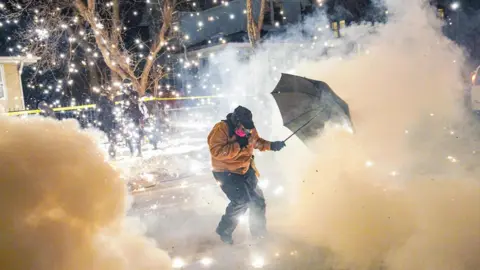
  • Minneapolis Border Patrol Shooting: What We Know and Why It Matters

    Videos contradict federal account of fatal Minneapolis shooting : NPR


    The Minneapolis Border Patrol shooting has drawn widespread attention and concern, adding to an already intense national conversation about federal law enforcement activity, public safety, and accountability. Reports indicate that the incident involved a Border Patrol or federal immigration enforcement officer and occurred within the broader Minneapolis area, a city that has been at the center of policing debates for several years. While investigations are ongoing and official details have been released gradually, the shooting has prompted questions about how federal agents operate in urban environments, how such incidents are investigated, and how communities are informed when the use of force occurs.
    Background and Context
    Minneapolis is not located near an international border, which has led many residents to question the role and presence of Border Patrol or related federal agents in the city. In recent years, Border Patrol and Immigration and Customs Enforcement have expanded certain operations beyond border regions, often as part of joint task forces or federal enforcement initiatives. This broader operational footprint has occasionally resulted in encounters that surprise local communities, especially when they involve armed officers acting under federal authority. Against this backdrop, the shooting has intensified scrutiny of how these agencies coordinate with local law enforcement and how clearly their missions are communicated to the public.
    What Has Been Reported About the Shooting
    According to initial media reports and official statements, the shooting occurred during an enforcement-related encounter that escalated rapidly. Law enforcement agencies have stated that the officer involved discharged their weapon during what was described as a perceived threat, though full details about the circumstances, including the actions leading up to the shooting, remain under investigation. Authorities have confirmed that standard procedures, such as placing the involved officer on administrative leave, were followed, and that an independent review process was initiated to determine whether policies and laws were upheld.
    Community Reaction and Public Response
    The news of the shooting spread quickly through Minneapolis, prompting reactions from community leaders, civil rights advocates, and residents. For many, the incident revived concerns about transparency and the use of force by law enforcement, particularly by federal agencies that are less visible in daily city life. Community groups called for clear and timely information, emphasizing the need for public trust during investigations of serious incidents. Vigils, public statements, and calls for accountability reflected a broader demand that authorities address not only the facts of the case but also the systemic issues it represents.
    Official Investigations and Accountability Minneapolis Border Patrol shooting
    Investigations into officer-involved shootings typically involve multiple layers of review, and this case is no exception. Federal authorities have indicated that internal affairs divisions and, where appropriate, external oversight bodies will examine evidence such as body camera footage, witness statements, and forensic findings. The goal of these investigations is to establish an accurate timeline of events and determine whether the use of force complied with agency policy and federal law. Officials have stressed that conclusions should be based on evidence rather than speculation, though critics often argue that such processes must be transparent to maintain public confidence.
    Broader Implications for Policing and Policy
    Beyond the immediate facts of the shooting, the Minneapolis Border Patrol incident has renewed debate about the scope of federal law enforcement authority within cities. Policymakers and advocates are discussing whether clearer guidelines are needed to define when and how Border Patrol agents operate far from national borders. The incident also highlights ongoing tensions between public safety objectives and civil liberties, particularly in communities that feel disproportionately impacted by aggressive enforcement tactics.
    Conclusion
    As investigations continue, the Minneapolis Border Patrol shooting remains a significant and evolving story. It underscores the importance of transparency, accountability, and clear communication when serious use-of-force incidents occur. For Minneapolis residents and the nation as a whole, the outcome of this case may influence future discussions about federal law enforcement practices, interagency cooperation, and the standards by which officers are held accountable.

  • Voices in the North Star State: Understanding the Minnesota ICE Protests

    Trump threatens to invoke Insurrection Act to quell anti-ICE protests in  Minnesota

    Minnesota has long been shaped by immigration, from Scandinavian settlers in the nineteenth century to more recent arrivals from Latin America, East Africa, and Southeast Asia. This diversity has made immigration policy a visible and often emotional issue in the state. Protests against Immigration and Customs Enforcement, commonly known as ICE, have emerged as part of a broader national movement questioning the role of federal immigration authorities, particularly their methods of detention, deportation, and cooperation with local law enforcement. In Minnesota, these demonstrations have taken place in urban centers like Minneapolis and St. Paul, as well as in smaller communities where immigrant labor supports agriculture, food processing, and service industries.
    Catalysts Behind the Protests Minnesota ICE protests
    The Minnesota ICE protests have been driven by a combination of policy decisions and personal stories. Activists often point to high-profile deportation cases involving long-term residents, parents of U.S.-born children, or individuals with deep ties to local communities. Federal enforcement actions, workplace raids, and detention practices have intensified fears among immigrant families, prompting public demonstrations. Protesters argue that these actions create an atmosphere of uncertainty and discourage immigrants from accessing essential services or cooperating with police, which they believe ultimately harms public safety rather than strengthening it.
    Key Actors and Community Involvement
    A wide range of groups has participated in the protests, including immigrant rights organizations, faith leaders, labor unions, students, and elected officials. Churches and community centers have often served as organizing hubs, offering both moral support and practical assistance such as legal aid clinics. Many protests emphasize nonviolent resistance and solidarity, with participants carrying signs, chanting slogans, and sharing testimonies from affected families. Local leaders have sometimes joined these demonstrations, reflecting divisions between state or municipal perspectives and federal immigration priorities.
    Methods and Messages of Protest
    The protests in Minnesota have taken many forms, from large marches and rallies to sit-ins and vigils outside government buildings or detention facilities. Social media has played a crucial role in mobilizing supporters and spreading information quickly. The core message tends to focus on humanizing immigrants, highlighting their contributions to Minnesota’s economy and culture, and calling for more compassionate and reform-oriented immigration policies. Rather than opposing border security outright, many protesters stress the need for due process, transparency, and alternatives to detention.
    Public Response and Political Impact
    Public reaction to the Minnesota ICE protests has been mixed. Supporters see them as a necessary expression of democratic engagement and moral responsibility, while critics argue that immigration enforcement is a federal duty that should not be obstructed. These differing views have fueled debates at city council meetings, in state legislative sessions, and across local media. In some cases, protests have influenced policy discussions around “sanctuary” practices, data sharing between local police and federal authorities, and the allocation of resources for immigrant legal defense funds.
    Broader Significance and Future Outlook
    The Minnesota ICE protests reflect a larger national conversation about immigration, identity, and the balance between law enforcement and human rights. They demonstrate how local communities can become focal points for federal policy debates, especially in states with growing immigrant populations. As immigration laws and enforcement strategies continue to evolve, protests in Minnesota are likely to persist as a form of civic participation. Whether they lead to substantial policy change or primarily serve as a platform for raising awareness, these demonstrations underscore the enduring importance of public dialogue in shaping how communities respond to complex social issues.qa

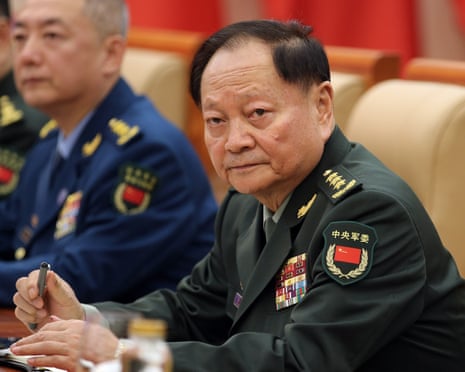
  • Zhang Youxia: A Key Military Figure in Contemporary China

    China's top general under investigation for alleged violations amid  corruption crackdown | China | The Guardian

    Zhang Youxia is one of the most influential military leaders in the People’s Republic of China, known for his long-standing service in the People’s Liberation Army and his close association with the highest levels of political power. Born in July 1950 in Shaanxi Province, Zhang comes from a family with deep revolutionary roots. His father, Zhang Zongxun, was a senior general in the PLA and a veteran of the Chinese Communist revolution, which placed Zhang Youxia in close proximity to military culture and ideology from an early age. This background shaped his career path and values, encouraging him to join the PLA in 1968 during a turbulent period marked by the Cultural Revolution. His early years in the military were spent gaining frontline experience, which later became an important source of credibility in an institution that values combat exposure.

    Combat Experience and Rise Through the Ranks

    Unlike many modern Chinese generals, Zhang Youxia has direct combat experience, having participated in the 1979 Sino-Vietnamese War. This experience is often highlighted as a defining feature of his military profile, setting him apart from officers whose careers developed during relatively peaceful decades. Over the years, Zhang steadily rose through the ranks, holding various command and political positions within the PLA. His career progression reflected both operational competence and political reliability, two essential qualities for advancement in China’s military system. He eventually became commander of the Shenyang Military Region, an important strategic area bordering the Korean Peninsula and Russia, further enhancing his reputation as a capable and trusted leader.

    Role in Military Modernization

    Zhang Youxia has played a significant role in China’s broader effort to modernize and reform its armed forces. As China shifted its military focus toward advanced technology, joint operations, and streamlined command structures, Zhang was involved in overseeing procurement, equipment development, and organizational changes. His appointment as Vice Chairman of the Central Military Commission placed him at the center of defense policy and military decision-making. In this role, he has been associated with strengthening China’s defense industries, promoting the development of modern weapons systems, and improving the PLA’s readiness for complex, information-based warfare. His influence extends beyond traditional ground forces, touching on aerospace, naval, and strategic capabilities.

    Political Influence and Relationship with Leadership

    One of the most notable aspects of Zhang Youxia’s career is his close relationship with China’s top political leadership, particularly President Xi Jinping. Their families share revolutionary ties, and this long-standing connection has contributed to mutual trust. Within the Chinese political system, such relationships are often crucial, especially in institutions where loyalty to the Communist Party is paramount. Zhang’s position within the Central Military Commission reflects not only his professional qualifications but also his perceived reliability in supporting the Party’s leadership over the military. This trust has made him an important figure in ensuring that the PLA remains firmly under Party control during a period of significant reform and consolidation of power.

    Significance in Contemporary China Zhang Youxia

    Today, Zhang Youxia is widely regarded as one of the most powerful military figures in China. His career symbolizes the blend of tradition and transformation within the PLA, combining revolutionary heritage, combat experience, and modern strategic thinking. As China continues to assert itself on the global stage, figures like Zhang play a crucial role in shaping military posture and signaling continuity in leadership. His influence is felt not only in military circles but also in broader discussions about China’s security priorities and governance. Through decades of service, Zhang Youxia has become a central figure in understanding how China’s military leadership operates and evolves in the twenty-first century.

  • When Winter Storms Take Over: Understanding Their Power and Impact

    Colossal winter storm dumps deep snow across the nation, with at least 13  deaths reported | PBS News


    A winter storm is a weather event marked by a combination of snow, freezing rain, sleet, strong winds, and dangerously low temperatures. These storms usually form when cold polar air moves south and collides with moist, warmer air coming from oceans or large bodies of water. This clash creates clouds and precipitation, which fall as snow or ice when temperatures remain below freezing. Winter storms can last for a few hours or stretch across several days, affecting vast regions at once. While some storms bring light snowfall that looks peaceful and scenic, others can become severe, producing blizzards, whiteout conditions, and ice accumulation that make travel and daily life extremely hazardous.
    Types of Winter Storms and Their Characteristics
    Not all winter storms are the same, and understanding their types helps explain why some are more destructive than others. Snowstorms are the most common and involve steady snowfall that can range from light flurries to heavy snow dumping several inches in a short period. Blizzards are more intense, defined not just by snowfall but by strong winds and reduced visibility, often making it impossible to see more than a few feet ahead. Ice storms are particularly dangerous because freezing rain coats roads, trees, and power lines with ice, adding weight that can cause widespread power outages and structural damage. Lake-effect snowstorms occur near large lakes when cold air passes over warmer water, creating narrow but intense bands of heavy snowfall that can overwhelm local communities.
    Effects on Daily Life and Infrastructure
    Winter storms have a significant impact on daily routines and essential services. Transportation is often the first sector affected, as snow-covered roads, icy bridges, and grounded flights disrupt travel plans and supply chains. Schools and workplaces may close to ensure safety, while emergency services face increased demand due to accidents, exposure-related illnesses, and power failures. Infrastructure such as power lines, water systems, and communication networks can suffer serious damage, especially during ice storms. In rural and remote areas, prolonged storms may isolate communities, making it difficult to deliver food, fuel, and medical assistance. These disruptions highlight how deeply modern life depends on weather conditions remaining stable.
    Environmental and Economic Consequences winter storm
    Beyond immediate inconveniences, winter storms can have lasting environmental and economic effects. Heavy snowfall can benefit ecosystems by insulating soil and replenishing water supplies when it melts in spring, but excessive snow or ice can damage vegetation and wildlife habitats. Economically, winter storms cost billions of dollars each year in repairs, lost productivity, and emergency response efforts. Businesses may suffer from closures and reduced customer activity, while governments must allocate large budgets for snow removal, road maintenance, and disaster relief. Agriculture can also be affected, as livestock face exposure risks and crops may be damaged by extreme cold or ice accumulation.
    Preparation and Safety During Winter Storms
    Preparation plays a crucial role in reducing the dangers associated with winter storms. Monitoring weather forecasts allows individuals and communities to plan ahead and take necessary precautions. Stocking emergency supplies such as food, water, medications, and blankets can make a significant difference during extended power outages. Proper home insulation, safe heating practices, and maintaining vehicles for winter conditions help minimize risks. During a storm, limiting travel, dressing in layers, and checking on vulnerable neighbors can prevent accidents and save lives. These simple actions, when taken seriously, can greatly reduce the harm caused by severe winter weather.
    The Growing Importance of Awareness
    As climate patterns change, winter storms are becoming less predictable, with some regions experiencing stronger storms and others facing unusual weather shifts. This makes public awareness and preparedness more important than ever. Understanding how winter storms form, recognizing their potential impacts, and knowing how to respond can help communities stay resilient. While winter storms are a natural part of the seasonal cycle, their power should never be underestimated, as they serve as a reminder of how closely human life is tied to the forces of nature.a

  • China’s Rural Banks: Backbone of Local Economies Amid Growing Financial Pressures


    Introduction to the Mount Maunganui Landslide

    Mount Maunganui, affectionately known as “The Mount” by locals, is one of New Zealand’s most iconic coastal landmarks, attracting thousands of visitors each year for its beaches, walking tracks, and panoramic views. However, in recent years the area has faced growing environmental challenges, most notably landslides along parts of the mountain’s slopes. The Mount Maunganui landslide events have raised serious concerns about public safety, environmental stability, and the long-term management of this treasured natural site. These incidents are not isolated accidents but the result of a complex interaction between natural forces and human activity.

    Geographical and Environmental Background

    Mount Maunganui is a dormant volcanic cone composed largely of weathered volcanic rock, ash, and soil layers that have developed over thousands of years. While visually solid, these materials can become unstable under certain conditions. The mountain’s steep slopes, combined with its coastal exposure, make it particularly vulnerable to erosion. Heavy rainfall, strong winds, and salt-laden air all contribute to the gradual weakening of rock faces and soil structure. Over time, cracks form, vegetation roots loosen soil, and gravity does the rest, setting the stage for landslides.

    Primary Causes of the Landslide घटनाएँ

    The most significant trigger for landslides at Mount Maunganui has been intense and prolonged rainfall. During periods of heavy rain, water seeps into the soil and rock layers, increasing weight and reducing friction that normally holds materials in place. Climate change has intensified this risk by increasing the frequency of extreme weather events, including sudden downpours. In addition to natural factors, human activity such as constant foot traffic on walking tracks can accelerate erosion. When thousands of people use the same paths, vegetation that helps stabilize soil is worn away, leaving slopes more exposed to collapse.

    Impact on Public Safety and Tourism

    Landslides at Mount Maunganui have had a direct impact on public access and safety. In response to falling rocks and soil slips, local authorities have been forced to temporarily close popular tracks, including sections of the summit walk. These closures are necessary to prevent injuries or fatalities but have also affected tourism and local businesses that depend on visitor activity. For residents and tourists alike, the landslides have been a stark reminder that even well-loved recreational spaces can pose hidden dangers when environmental conditions cChina rural banks

    Environmental and Ecological Consequences

    Beyond human concerns, landslides also disrupt local ecosystems. When soil and rock move downslope, native plants can be uprooted, and habitats for insects and birds can be damaged. Sediment washed into nearby coastal waters may affect marine life by reducing water clarity and altering seabed conditions. Over time, repeated landslides can permanently change the shape of the mountain, leading to long-term ecological shifts that are difficult to reverse.

    Response and Mitigation Efforts

    Local councils and environmental experts have taken several steps to manage landslide risks at Mount Maunganui. These include installing rockfall barriers, improving drainage systems to divert water away from vulnerable slopes, and reinforcing walking tracks to reduce erosion caused by foot traffic. Monitoring systems are also used to assess slope stability, especially after heavy rain. Public education plays a key role as well, with authorities encouraging visitors to stay on designated paths and respect track closures for their own safety.

    Looking Toward the Future


    The Mount Maunganui landslide issue highlights the broader challenge of balancing public access with environmental protection. As climate patterns continue to change, similar risks may increase not only at Mount Maunganui but across other coastal and mountainous regions of New Zealand. Long-term solutions will require ongoing investment, scientific research, and community cooperation. By understanding the causes and consequences of these landslides, authorities and citizens alike can work together to protect both people and the natural beauty of Mount Maunganui for generations to come.

  • Mount Maunganui Landslide: Causes, Consequences, and Community Response

    Mount Maunganui landslide: Photo shows walkers standing precariously above  slip – nearly two hours after 111 call to report it


    China’s rural banks play a critical yet often overlooked role in the country’s vast financial ecosystem. Designed primarily to serve farmers, small businesses, and rural households, these banks emerged as part of China’s broader effort to reduce the urban–rural economic gap. Unlike large state-owned commercial banks that dominate major cities, rural banks focus on local lending, agricultural finance, and microcredit. Their proximity to local communities allows them to understand regional economic conditions, seasonal income patterns, and the specific needs of rural borrowers. Over the past two decades, these institutions have contributed significantly to poverty reduction, rural entrepreneurship, and agricultural modernization, making them a foundational pillar of China’s inclusive growth strategy.

    Historical Development and Policy Objectives
    The rapid expansion of rural banks began in the mid-2000s when Chinese regulators encouraged financial diversification in the countryside. Before this period, rural credit cooperatives were often the only formal financial institutions available, and many suffered from weak governance and limited capital. To address this, authorities promoted the establishment of village and township banks, rural commercial banks, and restructured cooperatives. The core policy objective was to channel credit into underdeveloped areas, stimulate local economies, and support small-scale farmers who were previously dependent on informal lending. Government backing, regulatory support, and partnerships with larger banks helped rural banks expand quickly, embedding them deeply into China’s rural financial landscape.

    Operational Role in Rural Communities
    Rural banks are uniquely positioned to support local development because of their localized operations. They provide loans for crop production, livestock farming, agricultural equipment, and rural infrastructure, while also offering savings accounts and basic financial services to residents who might otherwise be excluded from the banking system. Their staff often come from the same regions they serve, which helps build trust and reduce information asymmetry between lenders and borrowers. This relationship-based banking model allows rural banks to assess creditworthiness beyond formal documentation, relying instead on local knowledge, community reputation, and long-term relationships.

    Financial Risks and Governance Challenges
    Despite their importance, China’s rural banks face significant challenges. Weak corporate governance, limited risk management capacity, and heavy reliance on local economies make them vulnerable to economic shocks. In some cases, poor oversight and aggressive lending have led to rising non-performing loans. Instances of mismanagement and fraud in certain rural banks have raised public concern and triggered regulatory intervention. Because many rural banks operate in economically fragile regions, downturns in agriculture or local industries can quickly strain their balance sheets. These vulnerabilities have drawn increased scrutiny from regulators aiming to safeguard financial stability.

    Regulatory Reforms and Government Intervention Mount Maunganui landslide
    In response to growing risks, Chinese authorities have intensified regulation and consolidation efforts. Stricter capital requirements, enhanced supervision, and the introduction of risk-control mechanisms are intended to strengthen the resilience of rural banks. In recent years, some troubled institutions have been merged, restructured, or taken over by larger state-backed banks to prevent systemic contagion. While these measures aim to protect depositors and maintain confidence, they also reflect the delicate balance regulators must strike between supporting rural finance and containing financial risk within the broader banking system.

    Future Outlook for China’s Rural Banks
    Looking ahead, the future of China’s rural banks will depend on their ability to modernize while preserving their local focus. Digital banking, fintech partnerships, and improved governance structures offer opportunities to enhance efficiency and transparency. At the same time, continued policy support will be essential to ensure that rural banks can fulfill their developmental role without compromising financial stability. As China pursues rural revitalization and balanced growth, rural banks are likely to remain a vital instrument, provided reforms continue to address their structural weaknesses while reinforcing their mission to serve rural communities.

    Conclusion
    China’s rural banks are more than just financial institutions; they are engines of local development and social inclusion. While they face mounting challenges from economic pressures and regulatory scrutiny, their role in supporting rural livelihoods remains indispensable. With thoughtful reform and sustained oversight, rural banks can continue to bridge the financial divide between China’s citi

  • Boeing 737 MAX 7: The Smallest Member of a Controversial but Evolving Family

    Boeing 737 MAX 7 - History, Technical Data & Photos - Aero Corner


    The Boeing 737 MAX 7 is the smallest variant in Boeing’s 737 MAX family, designed to serve short- to medium-haul routes with improved efficiency, range, and passenger comfort. While it has often lived in the shadow of its larger siblings like the MAX 8 and MAX 9, the MAX 7 plays a specific and strategic role for airlines that operate high-frequency routes and need flexibility rather than maximum seating capacity. Developed as the successor to the Boeing 737-700, the MAX 7 reflects Boeing’s effort to modernize a proven airframe while responding to rising fuel costs and growing competition from Airbus’ A220 and A320neo families.
    Design and Technical Features
    At its core, the Boeing 737 MAX 7 retains the familiar narrow-body design that has made the 737 series one of the most successful commercial aircraft families in aviation history. However, it introduces significant updates that distinguish it from older generations. The aircraft is powered by CFM International LEAP-1B engines, which are larger and more fuel-efficient than previous engines used on the 737 Next Generation series. These engines, combined with advanced winglets known as Advanced Technology winglets, help reduce fuel burn and carbon emissions while extending the aircraft’s range. The MAX 7 is capable of flying approximately 3,850 nautical miles, giving airlines the ability to operate longer routes that were not previously economical with aircraft of similar size.
    Passenger Capacity and Cabin Experience
    The Boeing 737 MAX 7 typically seats between 138 and 153 passengers in a two-class configuration, although high-density layouts can accommodate more. Despite being the smallest MAX variant, the aircraft benefits from Boeing’s modernized Sky Interior, which includes larger overhead bins, improved LED lighting, and a quieter cabin environment. These features are designed to enhance passenger comfort, especially on longer flights, and help airlines deliver a more consistent onboard experience across their fleets. For passengers, the MAX 7 feels less like a compact regional aircraft and more like a full-fledged mainline jet, which is an important perception advantage for airlines.
    Operational Role and Airline Interest
    The MAX 7 is particularly attractive to airlines that operate point-to-point networks or serve airports with performance constraints such as short runways or high-altitude conditions. Its strong takeoff performance and extended range allow it to connect smaller cities directly, bypassing traditional hubs and improving operational efficiency. Airlines like Southwest, which has historically relied on smaller 737 variants for high-frequency domestic routes, have shown interest in the MAX 7 because it aligns closely with their existing operational model. For such carriers, the aircraft offers fleet commonality, reduced training costs, and simplified maintenance compared to introducing an entirely new aircraft type.
    Certification Challenges and Market Position
    Despite its technical strengths, the Boeing 737 MAX 7 has faced certification delays that have affected its entry into service. These delays are tied to broader regulatory scrutiny of the 737 MAX program following the global grounding of the fleet in 2019. As aviation authorities implemented stricter safety and certification requirements, Boeing was required to make additional updates and demonstrate compliance, pushing back delivery timelines. This has created uncertainty for some customers and allowed competitors to strengthen their position in the small narrow-body market. Even so, Boeing maintains that the MAX 7 fills a unique niche that is not fully addressed by competing aircraft. Boeing 737 MAX 7
    Future Outlook for the Boeing 737 MAX 7
    Looking ahead, the success of the Boeing 737 MAX 7 will depend largely on its certification progress and Boeing’s ability to restore confidence among regulators, airlines, and passengers. If these challenges are resolved, the aircraft has the potential to become a valuable tool for airlines seeking efficiency, flexibility, and range in a smaller package. In an industry increasingly focused on sustainability and cost control, the MAX 7’s fuel efficiency and operational versatility could secure its place in airline fleets for years to come. While it may never be the most visible member of the 737 MAX family, the Boeing 737 MAX 7 represents an important evolution in narrow-body aircraft design and strategy.

  • The Challenge of Nuclear Waste: Managing the Most Persistent Byproduct of Modern Energy

    Chemists Have Found a Productive Use for Stockpiles of Nuclear Waste


    Nuclear waste is the radioactive byproduct generated from nuclear power plants, medical applications, industrial processes, and scientific research. The most well-known source is nuclear energy production, where uranium fuel undergoes fission to produce electricity. After the fuel has been used, it becomes “spent fuel,” which remains highly radioactive and dangerous for thousands of years. Nuclear waste is generally classified into low-level, intermediate-level, and high-level waste, depending on how radioactive it is and how long it remains hazardous. High-level waste, which includes spent nuclear fuel, poses the greatest challenge because it emits intense radiation and heat, requiring strict isolation from humans and the environment.

    Why Nuclear Waste Is a Serious Concern

    The primary concern surrounding nuclear waste is its long-term impact on human health and the environment. Exposure to high levels of radiation can cause severe illnesses, including cancer and genetic damage. Unlike most industrial waste, nuclear waste does not simply break down into harmless substances over time. Some radioactive isotopes remain dangerous for tens of thousands of years, far exceeding the lifespan of human institutions and infrastructure. This creates a unique ethical and practical problem: current generations benefit from nuclear energy, but future generations inherit the responsibility of managing its waste safely.

    Current Methods of Nuclear Waste Managementnuclear waste

    At present, most countries store high-level nuclear waste in secure facilities, often at or near nuclear power plants. Spent fuel is initially kept in cooling pools filled with water, which helps reduce heat and radiation. After several years, it may be transferred to dry cask storage, where it is sealed in steel and concrete containers designed to withstand extreme conditions. While these methods are considered safe in the short to medium term, they are not permanent solutions. Scientists and policymakers widely agree that deep geological repositories—facilities built deep underground in stable rock formations—offer the most reliable long-term storage option, although very few such sites are fully operational due to political, technical, and social challenges.

    Environmental and Social Impacts

    The environmental risks of nuclear waste arise mainly from potential leaks or accidents during storage and transportation. If radioactive material were to escape into soil or water systems, it could contaminate ecosystems and food supplies for generations. Beyond environmental concerns, nuclear waste also raises strong social and political opposition. Communities often resist hosting waste storage facilities due to fears about safety, property values, and long-term stigma. This public resistance has slowed progress on permanent disposal solutions, even in countries with advanced nuclear technology.

    Advances in Technology and Future Possibilities

    Researchers are actively exploring new technologies to reduce the volume and toxicity of nuclear waste. One promising approach is nuclear reprocessing, which extracts usable materials from spent fuel so they can be reused in reactors. Another area of research involves advanced reactors that produce less waste or can consume existing waste as fuel. Although these innovations could significantly improve nuclear waste management, they are expensive and not yet widely implemented. As a result, nuclear waste remains an unresolved issue that requires continued investment, international cooperation, and public trust.

    Conclusion: A Long-Term Responsibility

    Nuclear waste is an unavoidable consequence of nuclear technology, offering both benefits and burdens. While nuclear power provides a low-carbon energy source that helps combat climate change, its waste demands careful, long-term stewardship. Successfully managing nuclear waste is not just a technical challenge but a moral one, requiring societies to think far beyond immediate needs and political cycles. With responsible policies, transparent decision-making, and ongoing scientific progress, it is possible to manage nuclear waste safely, but it will always require vigilance, commitment, and respect for future generations.

  • Netflix and Warner Bros: A Strategic Deal Reshaping the Streaming Landscape

    Netflix Revises Warner Bros. Deal To $83 Billion All-Cash Offer To Fend Off  Paramount - YouTube


    vThe entertainment industry has been undergoing a massive transformation over the past decade, driven largely by the rapid growth of streaming platforms. Among the most talked-about developments in this space is the evolving deal between Netflix and Warner Bros. This partnership reflects how traditional Hollywood studios and modern streaming giants are learning to collaborate rather than compete head-on. While Warner Bros has its own streaming ambitions through Max, its agreement with Netflix highlights a strategic shift focused on content reach, monetization, and audience expansion in an increasingly crowded market.
    Why Warner Bros Chose to Partner with Netflix
    Warner Bros Discovery holds one of the deepest and most valuable content libraries in the world, including iconic films, television series, and franchises that span generations. Despite launching its own streaming service, the company has faced financial pressures, rising production costs, and intense competition. Licensing selected content to Netflix allows Warner Bros to generate steady revenue without bearing the full cost of marketing and distribution. Netflix, with its massive global subscriber base, offers something few platforms can match: instant international exposure. For Warner Bros, the deal is less about surrendering control and more about maximizing the long-term value of its intellectual property.
    What Netflix Gains from the Agreement
    For Netflix, the deal with Warner Bros is a significant content win. As streaming competition intensifies, retaining subscribers has become just as important as attracting new ones. High-quality, recognizable titles from Warner Bros help Netflix strengthen its catalog with proven hits rather than relying solely on original productions, which are expensive and risky. Licensed content often performs well because audiences are already familiar with it, increasing viewing hours and engagement. This strategy also allows Netflix to balance its investment between original programming and established franchises, creating a more sustainable content model.
    Impact on the Streaming Industry Netflix Warner Bros deal
    The Netflix–Warner Bros deal signals a broader trend in the streaming industry toward collaboration and flexible licensing strategies. Early in the streaming wars, studios pulled content from platforms like Netflix to build exclusive libraries for their own services. However, the reality of subscriber churn and profitability challenges has forced many companies to rethink that approach. By licensing content to competitors, studios can maintain brand visibility while diversifying revenue streams. This deal shows that exclusivity is no longer the only path to success, and hybrid models are becoming more common.
    What This Means for Viewers
    For audiences, the partnership is largely a positive development. Viewers benefit from easier access to popular Warner Bros titles without needing to subscribe to multiple services. This convenience can reduce subscription fatigue, a growing issue as consumers juggle several platforms at once. Additionally, renewed interest in older shows and films can lead to revivals, spin-offs, or renewed seasons, giving fans more content tied to franchises they already love. While some titles may still rotate between platforms, the overall availability of high-quality content continues to improve.
    Long-Term Implications and Future Outlook
    Looking ahead, the Netflix and Warner Bros deal may serve as a blueprint for future agreements between studios and streaming platforms. As profitability becomes a greater priority than subscriber growth alone, strategic partnerships will likely increase. Warner Bros can continue refining its streaming strategy while leveraging Netflix’s scale, and Netflix can maintain its position as a top destination for diverse entertainment. Rather than signaling weakness, this deal represents adaptation in an industry that is still finding its balance. In the long run, such collaborations may define the next phase of streaming, where cooperation and smart licensing shape a more sustainable entertainment ecosystem.