Author: orbitbrief1

  • The Extraordinary Life of Alex Honnold: A Climber Like No Other

    Alex Honnold on His Staggering Climb of Taipei 101


    Alex Honnold is a name that resonates deeply in the world of rock climbing. Known for his extreme feats of free solo climbing, Honnold has redefined the limits of what humans can achieve in the sport. His most famous achievement is his climb of El Capitan in Yosemite National Park, a 3,000-foot vertical rock face, without ropes or safety gear. This daring and seemingly impossible act brought him international fame, but it is just one example of his incredible journey as a climber. Honnold’s life and accomplishments reflect not just a dedication to his sport, but also a philosophy of fearlessness, simplicity, and environmental consciousness.
    Early Life and Beginnings in Climbing
    Alex Honnold was born on August 17, 1985, in Sacramento, California. He developed an early passion for climbing at the age of 11 when he started practicing in local climbing gyms. What set Honnold apart from other climbers was his natural ability to scale difficult rock walls without the fear that usually accompanies such dangerous pursuits. His early experiences with climbing fueled his desire to push boundaries and attempt more challenging climbs in the future.
    In his teenage years, Honnold began taking on outdoor climbs, making his first big impression on the climbing community in his early 20s. While many young climbers were focused on competition or traditional methods, Honnold’s approach was different. He focused primarily on bouldering and free climbing, which involves climbing without ropes, relying purely on strength, skill, and instinct. This technique would later become the hallmark of his career.
    The Concept of Free Soloing
    Free soloing, the act of climbing without any ropes or safety equipment, has been described as one of the most dangerous and extreme forms of climbing. For most, the very idea of free soloing seems absurd, as even the smallest mistake can be fatal. However, Honnold’s approach to free soloing is methodical and calculated. His extraordinary success in this field can be attributed to his meticulous preparation and mental toughness.
    Honnold spends months, sometimes even years, preparing for a free solo ascent, meticulously studying the rock face, memorizing every move, and practicing his technique. His mind is key to his success. Honnold’s ability to block out fear and remain focused on the climb is what sets him apart from others. While many climbers are consumed by the risk of falling, he describes the act of free soloing as almost meditative, with each move becoming an instinctual part of his being.
    The Iconic El Capitan Free Solo
    The pinnacle of Alex Honnold’s climbing career was his free solo ascent of El Capitan in 2017. The sheer scale of the climb, combined with its technical difficulty, made this one of the most extraordinary athletic feats in history. At 3,000 feet tall, El Capitan had never been climbed in such a way before. Honnold’s climb took him just under four hours, and throughout the ascent, he made no mistakes. The climb was filmed and later became the subject of the Oscar-winning documentary Free Solo, which captivated audiences around the world.
    What made Honnold’s El Capitan climb so impressive was not just the technical skill required but also the mental discipline needed to perform such a feat. Every single movement required complete concentration, as even the smallest slip could have resulted in death. The fact that Honnold completed this climb without a rope or harness—and did so without any visible signs of fear—has led many to describe him as one of the greatest climbers of all time.
    Mental Toughness and Fearlessness
    Alex Honnold’s ability to conquer some of the most dangerous climbs on earth isn’t just about physical strength or technique. His mental toughness plays a pivotal role in his achievements. While fear is a natural response to risk, Honnold’s mind works differently. He has trained himself to minimize fear and focus entirely on the task at hand. He explains that his success in climbing comes from an ability to stay calm and focused, making sure that he remains in control even in the most dangerous situations. Alex Honnold
    For Honnold, free soloing isn’t just about adrenaline or the thrill of danger. It’s about a deep connection to the climb and an intimate understanding of the rock face he’s scaling. In his own words, he says, “If I feel afraid, then it means I’ve done something wrong.” This philosophy of eliminating fear through preparation and precision is central to his approach to climbing.
    Philanthropy and Environmental Advocacy
    Beyond his climbing achievements, Alex Honnold is also deeply committed to giving back to the world. He founded the Honnold Foundation, which focuses on promoting solar energy and sustainability in underserved regions of the world. His interest in environmentalism is rooted in his love for the natural world, and his foundation seeks to combat climate change by providing access to solar power in places where electricity is scarce.
    Honnold is also an advocate for responsible climbing practices. As a climber who spends much of his time in national parks and wilderness areas, he is passionate about preserving these environments for future generations. He encourages other climbers to practice Leave No Trace principles and to respect the natural beauty that they enjoy.
    Conclusion: A Legacy of Fearlessness and Excellence
    Alex Honnold’s legacy is not just that of a record-breaking climber but also of someone who has pushed the boundaries of human potential. His fearless approach to climbing, combined with his dedication to environmental causes, has made him a role model for many. Whether scaling the world’s toughest rock faces or advocating for a cleaner planet, Honnold’s story is one of perseverance, passion, and pushing the limits of what we believe is possible.

  • The Visionary Leadership of Andy Burnham: Shaping Greater Manchester’s Future

    Andy Burnham announces bid to stand for Westminster seat


    Andy Burnham, the current Mayor of Greater Manchester, has established himself as a key figure in British politics, known for his unwavering commitment to social justice, health equality, and sustainable urban development. Born on 7th January 1970, Burnham’s rise to prominence began when he was elected as the Member of Parliament (MP) for Leigh in 2001. His career trajectory has seen him play influential roles in government, particularly in the areas of health, education, and transport. Since becoming the Mayor of Greater Manchester in 2017, Burnham has worked tirelessly to transform the region into a thriving, inclusive, and forward-thinking metropolis.
    Early Life and Political Beginnings
    Andy Burnham’s journey into politics was influenced by his working-class roots. Growing up in the town of Aintree, Burnham was raised in a family that valued hard work and community spirit. After studying at Cambridge University, where he read English Literature, Burnham’s passion for politics blossomed. He was first elected as MP for Leigh in 2001, representing a constituency that has long been a Labour stronghold. Burnham’s early years in Parliament were marked by his work on various issues, such as education, healthcare, and social justice.
    During his time as an MP, Burnham quickly earned a reputation for his articulate speeches and strong stances on issues that affected ordinary people. His political ideology was shaped by a desire to fight for equality, fairness, and the protection of the public sector. As a staunch member of the Labour Party, Burnham’s rise through the ranks was inevitable. His appointment as Secretary of State for Health under Prime Minister Gordon Brown from 2009 to 2010 marked a pivotal moment in his career. It was during this time that Burnham’s commitment to the NHS and public services truly came to the forefront.
    Leadership as Mayor of Greater Manchester
    When Andy Burnham became the Mayor of Greater Manchester in 2017, it was seen as a natural progression in his political career. The newly established role allowed him to take on greater responsibility for the region’s transport, housing, and health policies. Burnham’s vision for Greater Manchester was clear: he wanted to build a city-region that prioritized people over profit and social justice over political agendas. This vision resonated deeply with local residents, and Burnham’s popularity soared.
    One of Burnham’s most significant achievements as Mayor has been his approach to tackling homelessness. His decision to create a “homelessness fund” and take direct action on this crisis has set him apart from other regional leaders. Burnham has been vocal about the need for more affordable housing and better mental health services. His 2019 initiative to end rough sleeping in Greater Manchester by 2020 showed a level of dedication and empathy that endeared him to many. Andy Burnham
    In addition to his work on homelessness, Burnham has placed a strong emphasis on im proving the region’s public transport system. His long-standing commitment to tackling congestion and promoting sustainable transport solutions has resulted in initiatives like the extension of the tram network, the improvement of bus services, and the promotion of electric vehicles. Burnham has also been an advocate for affordable and accessible housing, aiming to create a Greater Manchester that is inclusive for all, regardless of income.
    Championing Health and Social Care Reforms
    Perhaps one of the most defining aspects of Andy Burnham’s political career has been his focus on health and social care. As a former Secretary of State for Health, Burnham has always been a vocal advocate for a well-funded, publicly provided healthcare system. He has continued to champion the NHS as Mayor, prioritizing mental health and social care as essential components of a well-rounded health system. In 2020, Burnham called for increased funding for local health services, particularly in light of the growing strain caused by the COVID-19 pandemic.
    Burnham’s approach to health and social care extends beyond simply improving the quality of services. He has sought to integrate healthcare with other social services, such as housing and employment support, to create a more holistic approach to wellbeing. This integrated model has been viewed as progressive and forward-thinking, and has won Burnham significant praise from both the public and health professionals.
    Burnham’s Legacy and Future Prospects
    Andy Burnham’s tenure as Mayor has only just begun, but his influence on the city of Manchester is already undeniable. His leadership style, characterized by empathy, pragmatism, and a firm belief in fairness, has set a new standard for what local governance can achieve. He has transformed Greater Manchester into a beacon of progressive politics, proving that a focus on the collective good can yield tangible benefits for everyone.
    Looking ahead, Burnham’s future in British politics seems promising. While his work as Mayor has earned him widespread acclaim, many speculate that he could one day return to national politics. His ability to unite communities, build coalitions, and champion key social issues positions him as a potential candidate for future leadership roles within the Labour Party.
    In conclusion, Andy Burnham’s political career has been defined by his dedication to public service and his drive to make the world a better place for ordinary people. From his early days as an MP to his current role as Mayor, Burnham has consistently shown that he is a leader who listens to the needs of his constituents and works relentlessly to address them. His work will undoubtedly leave a lasting impact on Greater Manchester and the wider political landscape for years to come.

  • Understanding the Syria Ceasefire: A Path Toward Fragile Peace

    Four-day ceasefire underway between Syrian government, Kurdish-led SDF


    The Syrian conflict, which began in 2011 as part of the wider wave of the Arab Spring uprisings, has evolved into one of the most complex and devastating civil wars of the 21st century. What started as peaceful protests demanding political reform quickly escalated into a multifaceted conflict involving multiple domestic factions, regional powers, and international actors. The prolonged fighting has resulted in the loss of hundreds of thousands of lives and the displacement of millions, creating one of the largest humanitarian crises in modern history. Various attempts at negotiation, mediated by international organizations and countries with vested interests, have led to intermittent ceasefires, but these agreements have often been fragile and short-lived, highlighting the deep-rooted divisions among the conflicting parties.

    The Importance of a Ceasefire

    A ceasefire in Syria is more than a temporary pause in hostilities; it is a crucial step toward stabilizing the country and creating an environment conducive to political dialogue. Ceasefires allow humanitarian aid to reach civilians trapped in war zones, provide families with a sense of security, and reduce the immediate suffering caused by violence. Beyond immediate relief, ceasefires also serve as confidence-building measures between warring factions, creating opportunities for negotiations and potential long-term peace agreements. However, achieving a sustainable ceasefire requires careful planning, trust among parties, and enforcement mechanisms to prevent violations. Without these elements, any ceasefire risks being symbolic rather than practical, leaving civilians vulnerable to renewed violence.

    International Efforts and Mediation

    International organizations such as the United Nations, along with countries like Russia, Turkey, and the United States, have played significant roles in mediating ceasefires in Syria. The UN has consistently called for nationwide ceasefires, particularly during periods of escalating violence or humanitarian crises, advocating for corridors that allow aid delivery to besieged areas. Russia and Turkey have brokered localized ceasefires in specific regions like Idlib, which have occasionally reduced fighting temporarily but often failed to address the broader conflict dynamics. The involvement of international actors brings both opportunities and challenges: while their influence can pressure warring parties to halt hostilities, it can also complicate negotiations due to competing interests and alliances, making the implementation of lasting peace agreements more difficult.

    Challenges to Sustaining Peace

    Despite multiple ceasefire attempts, sustaining peace in Syria remains fraught with obstacles. Fragmented opposition groups, the presence of extremist factions, and deep-seated mistrust between the Syrian government and rebel forces undermine efforts to maintain ceasefires. Moreover, the geopolitical interests of regional and international players often clash, resulting in sporadic enforcement or violations of agreements. Another challenge is the economic devastation caused by years of war, which fuels social instability and complicates reconstruction efforts. Addressing these issues requires not only a temporary halt in fighting but also comprehensive strategies that encompass political reform, reconstruction, and reconciliation processes, alongside continued humanitarian support for affected populations.

    The Humanitarian Perspective

    From a humanitarian standpoint, a ceasefire is critical to saving lives and alleviating suffering. Millions of Syrians remain internally displaced or have fled the country as refugees, with access to food, medical care, and basic services severely limited in conflict zones. Humanitarian organizations rely on ceasefires to deliver essential aid, repair infrastructure, and provide psychological support to trauma-affected communities. Additionally, ceasefires offer opportunities to reunite families, reopen schools, and rebuild local governance structures, laying the foundation for long-term stability. For civilians, even temporary reductions in violence can mean the difference between life and death, highlighting the urgent need for durable ceasefire agreements that prioritize human security.

    Pathways Forward Syria ceasefire

    Looking ahead, the success of any Syria ceasefire hinges on inclusive negotiations, strong monitoring mechanisms, and sustained international support. Local communities, opposition groups, and government representatives must be engaged in dialogue to address underlying grievances, while international actors should provide guarantees that discourage violations. While the road to lasting peace is undoubtedly complex and uncertain, ceasefires remain an essential tool in mitigating the immediate impacts of war and creating conditions for political resolution. The Syrian experience demonstrates that peace is not merely the absence of conflict but the presence of structures and processes that enable societies to recover, coexist, and thrive after prolonged violence.

  • Mexico and Cuba: Exploring Oil Relations and Energy Potential

    Mexico considers halting Cuba oil exports amid US retaliation concerns


    The oil industry has long been a cornerstone of economic development and geopolitical influence in Latin America. Among the countries in this region, Mexico and Cuba hold significant positions due to their geographical locations, natural resources, and evolving energy policies. Mexico, one of the largest oil producers in the Western Hemisphere, has a well-established oil industry driven largely by the state-owned company PEMEX. Cuba, on the other hand, has modest oil production but holds strategic potential, particularly in offshore oil exploration within the Gulf of Mexico. In recent years, both nations have shown interest in collaborating and developing their energy sectors to address domestic energy needs, attract foreign investment, and strengthen regional energy security. Understanding the dynamics of the oil industry in Mexico and Cuba requires examining their history, current production capabilities, exploration initiatives, and the broader implications of regional cooperation.

    Historical Context of Oil in Mexico and Cuba
    Mexico has a long and storied history with oil dating back to the early 20th century. The discovery of large oil fields in states such as Veracruz and Tabasco established the country as a global oil player. The nationalization of the oil industry in 1938 was a landmark event, creating PEMEX, which became the backbone of Mexico’s energy sector. This move allowed Mexico to control its resources while also fueling domestic economic growth. Cuba’s oil history is less extensive but equally intriguing. After the 1959 revolution, Cuba’s energy sector faced challenges due to limited domestic reserves and heavy reliance on imports, primarily from the Soviet Union. Despite these constraints, Cuba invested in small-scale oil production and refining facilities, particularly in areas like the northwestern provinces. The historical backdrop sets the stage for understanding current developments and potential collaboration between the two nations in energy exploration and production.

    Current Oil Production and Exploration Efforts
    Mexico remains a major oil producer, with production concentrated in the southern and offshore regions. Its offshore fields in the Gulf of Mexico, such as Cantarell and Ku-Maloob-Zaap, have been vital to national output. However, declining production from mature fields has prompted Mexico to explore new opportunities, including deep-water drilling and partnerships with international energy companies. Cuba, while producing less oil, has been increasingly active in offshore exploration. The Cuban government has encouraged foreign investment through contracts with companies from countries such as Russia, China, and Canada. Offshore blocks near the Gulf of Mexico present opportunities for significant discoveries, though technological and logistical challenges remain. Collaboration between Mexico and Cuba in sharing expertise, technology, and infrastructure could help both nations optimize oil exploration and production, while also mitigating risks associated with deepwater drilling.

    Economic and Geopolitical Implications
    The development of oil resources in Mexico and Cuba has far-reaching economic and geopolitical implications. For Mexico, increasing oil production is crucial to sustaining government revenue, funding social programs, and maintaining energy independence. For Cuba, successful oil exploration can reduce reliance on imports, provide new revenue streams, and support domestic energy needs. Regionally, cooperation between these countries could enhance energy security in the Caribbean and Gulf of Mexico, particularly in the context of fluctuating global oil prices. Additionally, the involvement of international investors and technology partners highlights the potential for broader economic integration and trade relations. Geopolitically, energy collaboration could also strengthen diplomatic ties, encourage regional stability, and create a platform for coordinated environmental and safety standards in offshore operations. Mexico Cuba oil

    Challenges and Future Outlook
    Despite the promising opportunities, both Mexico and Cuba face significant challenges in the oil sector. Environmental concerns, regulatory hurdles, aging infrastructure, and fluctuating global oil prices are key obstacles. Moreover, deepwater exploration carries high financial and technical risks, which require robust risk management strategies. Nevertheless, advances in technology, increasing foreign investment, and growing regional cooperation provide a foundation for optimism. Looking ahead, the oil relationship between Mexico and Cuba may evolve into a strategic partnership that benefits both nations economically and strengthens energy resilience in the region. Success will depend on careful planning, sustainable practices, and leveraging shared expertise to navigate the complex dynamics of the global energy market.

    Conclusion
    Mexico and Cuba, with their unique positions in the oil industry, have significant potential for growth and collaboration. While Mexico brings extensive production experience and infrastructure, Cuba offers untapped offshore opportunities and a strategic location. Together, their efforts could redefine energy dynamics in the Gulf of Mexico, support economic development, and enhance regional energy security. As both nations continue to explore possibilities in the oil sector, the future of Mexico-Cuba energy relations promises to be a compelling story of cooperation, innovation, and resilience.

  • Exploring Bolivia: A Land of Diversity, Culture, and Natural Wonders

    Bolivia - Wikipedia


    Bolivia, a landlocked country in the heart of South America, is renowned for its extraordinary geographical diversity. Nestled between Brazil, Paraguay, Argentina, Chile, and Peru, Bolivia encompasses a variety of landscapes that range from the snow-capped peaks of the Andes Mountains to the vast plains of the Amazon Basin. The country is divided into three major regions: the Altiplano, a high plateau surrounded by mountains; the valleys, which are fertile and suitable for agriculture; and the lowlands, including tropical rainforests and savannas. This geographical variety contributes to a wide range of climates, from frigid temperatures in the high mountains to warm, humid conditions in the lowlands. Such climatic diversity supports a remarkable array of ecosystems, making Bolivia one of the most ecologically rich countries in the world.

    History and Cultural Heritage
    Bolivia’s history is a tapestry of indigenous civilizations, colonial influences, and modern political developments. Long before Spanish colonization, the region was home to advanced cultures, including the Tiwanaku civilization, which flourished near Lake Titicaca around 500 to 1000 AD. The Inca Empire also extended into Bolivia, leaving behind architectural and cultural legacies that are still evident today. Spanish colonization in the 16th century introduced European culture, religion, and governance, but indigenous traditions remained resilient. Bolivia achieved independence in 1825, and its cultural heritage today reflects a unique blend of indigenous and European influences. Traditional music, dance, and festivals, such as the Oruro Carnival, showcase Bolivia’s vibrant cultural identity. The country’s indigenous population, which constitutes a significant portion of its citizens, continues to play a vital role in maintaining languages, customs, and crafts that are centuries old.

    Economy and Natural Resources Bolivia
    Bolivia’s economy is diverse, relying on a combination of agriculture, mining, and energy resources. The country is rich in minerals, particularly silver, tin, and lithium, the latter of which has gained global attention due to its essential role in modern technology and electric vehicles. Agriculture remains vital, with crops such as quinoa, potatoes, and soybeans being significant both for domestic consumption and export. Additionally, Bolivia has extensive natural gas reserves, making it a key energy player in the region. Despite its wealth of resources, Bolivia faces economic challenges, including poverty and uneven development between urban and rural areas. Efforts to diversify the economy and invest in infrastructure have been ongoing, reflecting the country’s determination to achieve sustainable growth.

    Tourism and Natural Wonders
    Bolivia is a haven for travelers seeking extraordinary natural and cultural experiences. The Salar de Uyuni, the world’s largest salt flat, attracts tourists with its surreal landscapes and mirror-like reflections during the rainy season. Lake Titicaca, shared with Peru, is the highest navigable lake in the world and holds profound historical and spiritual significance. The country’s national parks, such as Madidi and Noel Kempff Mercado, protect vast areas of biodiversity, offering opportunities for wildlife observation and eco-tourism. Urban centers like La Paz, the world’s highest capital, and Sucre, with its colonial architecture, provide a glimpse into Bolivia’s vibrant city life and historical richness. Adventure tourism, including trekking, mountain climbing, and exploring remote indigenous villages, has become increasingly popular, highlighting Bolivia’s ability to combine natural beauty with cultural heritage.

    Social and Political Landscape
    Bolivia has a unique political and social structure shaped by its indigenous heritage and modern governance. The country recognizes multiple official languages, including Spanish and several indigenous languages, reflecting its commitment to cultural diversity. Political life in Bolivia has experienced significant transformations, with movements advocating for indigenous rights, social equality, and environmental protection gaining prominence. While the country has faced political instability and social unrest at times, it continues to demonstrate resilience and a strong sense of national identity. The government’s focus on social programs and community participation aims to address historical inequalities and promote inclusive development.

    In conclusion, Bolivia stands as a nation of contrasts and richness, offering breathtaking landscapes, deep cultural traditions, and abundant natural resources. Its combination of geographical diversity, historical depth, and cultural vibrancy makes it a unique destination and a fascinating subject of study. From the towering Andes to the expansive Amazon lowlands, Bolivia’s landscapes mirror the diversity of its people, history, and aspirations, making it a country that continues to captivate the world’s attention.

  • The Kyiv Power Outage: Causes, Impact, and Recovery Efforts

    Ukraine war: Water supply and metro services restored in Kyiv after missile  attacks | CNN


    Kyiv, the capital city of Ukraine, recently experienced a significant power outage that left millions of residents without electricity. The outage, which lasted for several hours in many areas, disrupted not only daily life but also essential services, highlighting the vulnerability of urban infrastructure in times of crisis. The causes of the blackout were multifaceted, involving both technical failures within the power grid and external factors such as adverse weather conditions and ongoing geopolitical tensions. Electrical grids are complex systems, and even minor faults in transmission lines, substations, or transformers can quickly cascade into large-scale disruptions. In Kyiv’s case, reports suggested that a combination of damaged infrastructure and high energy demand contributed to the sudden blackout, demonstrating the delicate balance required to maintain reliable electricity supply in a major metropolitan area.

    Causes and Contributing Factors Kyiv power outage

    Several key factors contributed to the Kyiv power outage, with technical, environmental, and geopolitical elements all playing a role. From a technical standpoint, the city’s aging infrastructure, including outdated power lines and insufficiently maintained substations, increased the risk of failure under stress. Environmental factors, such as strong winds and heavy snowfall, caused damage to power lines and complicated repair efforts. Moreover, Ukraine has faced ongoing challenges related to the broader energy supply network, which has been affected by geopolitical conflicts and energy security issues. These external pressures have occasionally led to deliberate shutdowns or load-shedding measures aimed at preventing a complete collapse of the national power system. The Kyiv blackout is a stark reminder of how interlinked infrastructure, climate, and politics are when it comes to energy security, as disruptions in one area can quickly ripple across multiple sectors of society.

    Impact on Daily Life and Essential Services

    The power outage in Kyiv had an immediate and wide-ranging impact on residents and essential services. Hospitals, schools, businesses, and public transportation systems all experienced disruptions, forcing authorities to implement emergency measures. In healthcare facilities, backup generators were activated to ensure continuity of critical services, but these systems are often limited in capacity and duration. For residents, the lack of electricity affected heating, lighting, and communication, particularly during the winter months when temperatures drop significantly. Commercial activity slowed, as shops, offices, and public institutions were unable to operate normally. Furthermore, public safety was also a concern, as non-functioning traffic lights and streetlights increased the risk of accidents and reduced security in urban areas. The outage highlighted the dependence of modern urban life on uninterrupted electricity and the cascading effects when that supply is suddenly interrupted.

    Recovery Efforts and Government Response

    In response to the power outage, city authorities and utility companies in Kyiv mobilized repair teams to restore electricity as quickly as possible. Emergency response plans included the prioritization of critical infrastructure, such as hospitals, water treatment facilities, and transportation hubs, to minimize the impact on public safety and health. Technicians worked to identify damaged power lines and transformers, and temporary measures were implemented to reroute electricity from unaffected areas. The government also communicated with residents to provide updates on restoration timelines and safety precautions, emphasizing the importance of conserving energy until the grid stabilized. While the power outage caused significant short-term disruptions, it also prompted a broader discussion about modernizing the city’s electrical infrastructure, improving maintenance protocols, and enhancing resilience against both natural and human-induced challenges.

    Lessons for Energy Security and Infrastructure Resilience

    The Kyiv power outage serves as a critical case study for urban energy security and infrastructure resilience. It underscores the need for investment in modern, well-maintained power grids capable of withstanding environmental stress and managing peak demand. It also highlights the importance of contingency planning and public communication to mitigate the impact of such disruptions. Beyond technical solutions, the incident reflects broader societal challenges, including the interplay between infrastructure, political stability, and environmental conditions. As Kyiv and other cities around the world continue to face similar risks, lessons learned from this outage will likely inform future strategies aimed at ensuring reliable electricity supply, protecting critical services, and safeguarding the daily lives of urban residents.

    The Kyiv power outage, while temporary, revealed both vulnerabilities and opportunities for improvement in urban energy management. By addressing technical shortcomings, strengthening emergency response protocols, and investing in resilient infrastructure, cities can better prepare for the inevitable challenges posed by natural events, aging infrastructure, and geopolitical pressures. This incident serves as a reminder that electricity is not just a convenience—it is a cornerstone of modern urban life, and maintaining its continuous supply is essential for safety, health, and societal functioning.

  • West Java Landslide: Causes, Impacts, and Lessons for the Future

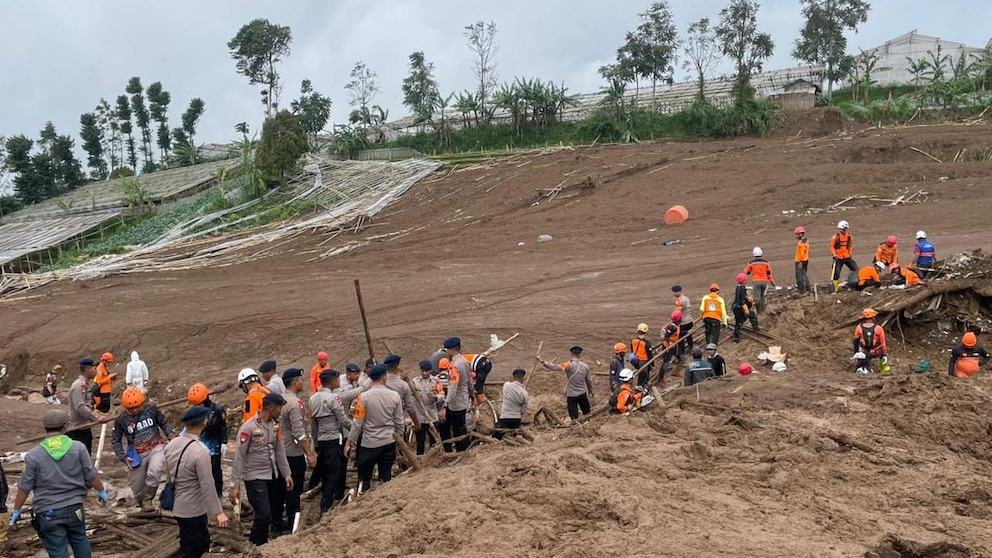
    Indonesian marines among 80 missing in deadly West Java landslide - ABC News


    West Java, one of Indonesia’s most densely populated provinces, has long been vulnerable to natural disasters due to its complex geography and climate. Among these hazards, landslides are particularly destructive, often striking suddenly and leaving severe consequences for communities living in mountainous and hilly regions. The West Java landslide incidents that have occurred in recent years highlight how environmental conditions, human activities, and extreme weather can combine to create devastating outcomes. Understanding these landslides is essential not only to grasp what happened, but also to reduce risks in the future.

    Geographical and Environmental Background
    West Java is characterized by steep slopes, volcanic soil, and high annual rainfall, all of which contribute to landslide susceptibility. The soil in many areas is fertile but loose, making it unstable when saturated with water. During the rainy season, prolonged or intense rainfall penetrates the soil layers, increasing their weight and reducing cohesion. As a result, hillsides can collapse with little warning. Rivers running through valleys can further erode slopes from below, weakening their structure over time. These natural factors mean that landslides in West Java are not isolated events, but recurring threats linked closely to the region’s physical environment.

    Human Activities and Their Role
    While natural conditions play a major role, human activities significantly increase landslide risk in West Java. Rapid population growth has pushed settlements onto steep hillsides that were once covered by forests. Deforestation for agriculture, housing, and infrastructure removes tree roots that help bind the soil together. In some areas, improper land-use planning has allowed construction without adequate drainage systems, causing rainwater to accumulate in vulnerable zones. Road cutting along slopes, often done without proper reinforcement, also destabilizes terrain. These human-induced changes reduce the land’s natural ability to absorb heavy rainfall safely, making landslides more likely and more severe.

    Impact on Communities and Infrastructure
    The impact of a West Java landslide is often immediate and tragic. Homes can be buried or swept away, leading to loss of life and displacement of families. Roads, bridges, and power lines are frequently damaged, isolating villages and delaying rescue efforts. Agricultural land, which many residents depend on for their livelihoods, can be destroyed, causing long-term economic hardship. Beyond physical damage, landslides also leave psychological scars, as survivors cope with trauma and uncertainty about future safety. Recovery can take months or even years, especially in rural areas with limited resources.

    Emergency Response and Government Action West Java landslide
    When landslides occur in West Java, emergency response teams, including local authorities, national disaster agencies, and volunteers, work to rescue survivors and provide aid. Evacuation centers are set up to shelter displaced residents, and heavy equipment is used to clear debris where possible. The government has also invested in early warning systems, hazard mapping, and community education programs. These efforts aim to identify high-risk areas and alert residents before conditions become critical. However, challenges remain, particularly in reaching remote communities and ensuring warnings are understood and acted upon promptly.

    Prevention, Mitigation, and Future Preparedness
    Reducing landslide risk in West Java requires a combination of environmental management, responsible development, and community awareness. Reforestation and slope stabilization projects can help restore natural defenses against soil movement. Stronger land-use regulations are needed to prevent construction in high-risk zones, while existing settlements may require improved drainage and retaining structures. Educating local communities about warning signs, such as cracks in the ground or leaning trees, can save lives by encouraging early evacuation. As climate change increases the intensity of rainfall, long-term planning and investment in disaster risk reduction will be crucial to protecting lives and sustaining development in West Java.

    Conclusion
    The West Java landslide serves as a powerful reminder of how closely human life is tied to the natural environment. While landslides cannot be completely prevented, their impact can be significantly reduced through informed planning, environmental care, and community preparedness. By learning from past events and taking proactive measures, West Java can move toward a safer and more resilient future.

  • Myanmar’s election process has been a subject of

    Myanmar’s election process has been a subject of intense scrutiny, particularly in recent years as the country grapples with a complex political situation. The elections in Myanmar have historically been marked by a turbulent mix of military influence, civilian leadership struggles, and growing international concerns over human rights. The country’s struggle to establish a robust, democratic system is further complicated by the ongoing military coup, which has derailed hopes for democratic progress. This article delves into the history, challenges, and prospects surrounding Myanmar’s elections, shedding light on the prospects of achieving a democratic future.

    A Brief Overview of Myanmar’s Electoral History

    Myanmar, formerly known as Burma, has a complex political history that involves decades of military rule. The most significant transition toward democracy began in 2010, when Myanmar held its first semi-free elections after decades of military rule. However, the military’s influence over the political landscape remained dominant, even after the election. The 2015 general election, which saw the National League for Democracy (NLD) led by Aung San Suu Kyi take power, was seen as a significant step toward democratization.

    Despite this, the military continued to hold considerable power through the constitution, which guarantees them 25% of parliamentary seats, and the ability to control key ministries like defense, home affairs, and border affairs. These provisions have made it difficult for any civilian government to fully control the country’s political processes. The election results in 2020, which again saw a landslide victory for the NLD, were supposed to cement the country’s democratic transition. However, the military coup in February 2021 shattered these aspirations and plunged the country back into a state of instability. Myanmar election

    The 2020 Elections and the Military Coup

    The 2020 Myanmar general election, held in November, was a significant moment in the country’s democratic journey. The NLD, under Aung San Suu Kyi’s leadership, won a landslide victory, securing over 80% of the seats in the national parliament. Despite the challenges posed by the COVID-19 pandemic, the election was largely peaceful, and international observers generally considered it to be a credible election.

    However, the military, or Tatmadaw, which had been in power for much of Myanmar’s modern history, disputed the election results. The military alleged widespread electoral fraud, though no evidence was provided to substantiate these claims. On February 1, 2021, the military staged a coup, detaining Aung San Suu Kyi and other political leaders, and taking control of the country’s government. This move was widely condemned by the international community and led to massive protests and civil disobedience campaigns in Myanmar, which have continued despite a violent crackdown by the military.

    The coup has led to the suspension of democratic processes in Myanmar, including the election of new leaders, further entrenching military rule. The country’s election process, once seen as a sign of hope for democracy, is now caught in a web of authoritarianism.

    Challenges to Myanmar’s Electoral System

    Myanmar’s election system faces numerous challenges, many of which are tied to the country’s political and military dynamics. One of the most pressing issues is the military’s influence over the political system, which is embedded in the constitution. This influence prevents the country from fully embracing democratic reforms and hinders the electoral process from being free and fair.

    Additionally, ethnic tensions within Myanmar add a layer of complexity to the electoral system. The country is home to a diverse range of ethnic groups, many of whom have long struggled for greater autonomy and representation. In particular, the Rohingya Muslims, a minority group in the western Rakhine state, have been denied basic human rights, including the right to vote. These ethnic and religious divisions have contributed to the fragmentation of Myanmar’s political landscape and have made it difficult to implement a truly inclusive electoral process.

    Another significant challenge is the role of the military-backed Union Solidarity and Development Party (USDP), which continues to exert influence over political processes, even in the face of overwhelming public support for democratic reforms. The USDP, which is seen as a proxy for the military, holds significant sway over the country’s electoral institutions and is often involved in electoral manipulation.

    Prospects for Myanmar’s Democratic Future

    Despite the grave challenges facing Myanmar, there is still hope for its democratic future, albeit a fragile one. The civil disobedience movement and widespread protests that followed the 2021 coup have shown that the desire for democracy remains strong among the people of Myanmar. International sanctions and pressure on the military regime, although limited in their effectiveness, continue to signal the global community’s disapproval of the coup and its aftermath.

    The key to Myanmar’s future lies in addressing the systemic issues that prevent a fair and transparent electoral process. These issues include the military’s constitutional privileges, the lack of inclusivity for ethnic minorities, and the manipulation of the electoral system by military-backed parties. Efforts to reform the electoral system, establish a true multiparty democracy, and ensure the protection of human rights will be crucial in paving the way for a democratic Myanmar.

    Furthermore, international support for Myanmar’s democratic forces remains essential. The United Nations and regional organizations like ASEAN must continue to apply diplomatic pressure on the military junta while providing assistance to Myanmar’s pro-democracy movements. It will take years of struggle, and perhaps decades, for Myanmar to fully embrace democracy, but the resilience of its people suggests that this goal remains achievable.

    In conclusion, the Myanmar election process is at a crossroads. While the past few years have been marked by setbacks, including the military coup, the desire for democracy remains strong among Myanmar’s people. The road to democracy will be long and difficult, but with continued support from both domestic and international communities, Myanmar can one day hope to establish a truly democratic system that is inclusive, fair, and free from military interference.

    , particularly in recent years as the country grapples with a complex political situation. The elections in Myanmar have historically been marked by a turbulent mix of military influence, civilian leadership struggles, and growing international concerns over human rights. The country’s struggle to establish a robust, democratic system is further complicated by the ongoing military coup, which has derailed hopes for democratic progress. This article delves into the history, challenges, and prospects surrounding Myanmar’s elections, shedding light on the prospects of achieving a democratic future.


    A Brief Overview of Myanmar’s Electoral History


    Myanmar, formerly known as Burma, has a complex political history that involves decades of military rule. The most significant transition toward democracy began in 2010, when Myanmar held its first semi-free elections after decades of military rule. However, the military’s influence over the political landscape remained dominant, even after the election. The 2015 general election, which saw the National League for Democracy (NLD) led by Aung San Suu Kyi take power, was seen as a significant step toward democratization.


    Despite this, the military continued to hold considerable power through the constitution, which guarantees them 25% of parliamentary seats, and the ability to control key ministries like defense, home affairs, and border affairs. These provisions have made it difficult for any civilian government to fully control the country’s political processes. The election results in 2020, which again saw a landslide victory for the NLD, were supposed to cement the country’s democratic transition. However, the military coup in February 2021 shattered these aspirations and plunged the country back into a state of instability. Myanmar election


    The 2020 Elections and the Military Coup


    The 2020 Myanmar general election, held in November, was a significant moment in the country’s democratic journey. The NLD, under Aung San Suu Kyi’s leadership, won a landslide victory, securing over 80% of the seats in the national parliament. Despite the challenges posed by the COVID-19 pandemic, the election was largely peaceful, and international observers generally considered it to be a credible election.


    However, the military, or Tatmadaw, which had been in power for much of Myanmar’s modern history, disputed the election results. The military alleged widespread electoral fraud, though no evidence was provided to substantiate these claims. On February 1, 2021, the military staged a coup, detaining Aung San Suu Kyi and other political leaders, and taking control of the country’s government. This move was widely condemned by the international community and led to massive protests and civil disobedience campaigns in Myanmar, which have continued despite a violent crackdown by the military.


    The coup has led to the suspension of democratic processes in Myanmar, including the election of new leaders, further entrenching military rule. The country’s election process, once seen as a sign of hope for democracy, is now caught in a web of authoritarianism.


    Challenges to Myanmar’s Electoral System


    Myanmar’s election system faces numerous challenges, many of which are tied to the country’s political and military dynamics. One of the most pressing issues is the military’s influence over the political system, which is embedded in the constitution. This influence prevents the country from fully embracing democratic reforms and hinders the electoral process from being free and fair.


    Additionally, ethnic tensions within Myanmar add a layer of complexity to the electoral system. The country is home to a diverse range of ethnic groups, many of whom have long struggled for greater autonomy and representation. In particular, the Rohingya Muslims, a minority group in the western Rakhine state, have been denied basic human rights, including the right to vote. These ethnic and religious divisions have contributed to the fragmentation of Myanmar’s political landscape and have made it difficult to implement a truly inclusive electoral process.


    Another significant challenge is the role of the military-backed Union Solidarity and Development Party (USDP), which continues to exert influence over political processes, even in the face of overwhelming public support for democratic reforms. The USDP, which is seen as a proxy for the military, holds significant sway over the country’s electoral institutions and is often involved in electoral manipulation.


    Prospects for Myanmar’s Democratic Future


    Despite the grave challenges facing Myanmar, there is still hope for its democratic future, albeit a fragile one. The civil disobedience movement and widespread protests that followed the 2021 coup have shown that the desire for democracy remains strong among the people of Myanmar. International sanctions and pressure on the military regime, although limited in their effectiveness, continue to signal the global community’s disapproval of the coup and its aftermath.


    The key to Myanmar’s future lies in addressing the systemic issues that prevent a fair and transparent electoral process. These issues include the military’s constitutional privileges, the lack of inclusivity for ethnic minorities, and the manipulation of the electoral system by military-backed parties. Efforts to reform the electoral system, establish a true multiparty democracy, and ensure the protection of human rights will be crucial in paving the way for a democratic Myanmar.


    Furthermore, international support for Myanmar’s democratic forces remains essential. The United Nations and regional organizations like ASEAN must continue to apply diplomatic pressure on the military junta while providing assistance to Myanmar’s pro-democracy movements. It will take years of struggle, and perhaps decades, for Myanmar to fully embrace democracy, but the resilience of its people suggests that this goal remains achievable.


    In conclusion, the Myanmar election process is at a crossroads. While the past few years have been marked by setbacks, including the military coup, the desire for democracy remains strong among Myanmar’s people. The road to democracy will be long and difficult, but with continued support from both domestic and international communities, Myanmar can one day hope to establish a truly democratic system that is inclusive, fair, and free from military interference.

  • Winter Storm Fern: A Powerful Reminder of Nature’s Winter Fury

    Winter Storm Fern to stretch from Texas to mid-Atlantic states | DW News


    Winter Storm Fern emerged as a significant seasonal weather event, reminding communities of the immense power and unpredictability of winter systems. Named as part of the winter storm naming process used to help improve public awareness, Fern brought together a combination of heavy snowfall, freezing rain, strong winds, and dangerously low temperatures. As it moved across affected regions, the storm disrupted daily life, impacted transportation, and placed considerable strain on infrastructure. Winter storms like Fern are not only meteorological events but also social challenges, testing preparedness, communication systems, and community resilience during the coldest months of the year.

    Meteorological Formation and Characteristics
    Winter Storm Fern developed due to the interaction of cold Arctic air with moist atmospheric conditions, creating an ideal environment for widespread winter precipitation. As the storm intensified, temperature differences between air masses fueled strong winds and rapid pressure changes, leading to blizzard-like conditions in some areas. Snowfall totals varied by region, with higher elevations receiving deeper accumulations, while lower-lying areas experienced a mix of snow, sleet, and freezing rain. Ice accumulation became one of the most dangerous aspects of the storm, coating roads, trees, and power lines, and significantly increasing the risk of accidents and power outages.

    Impact on Transportation and Infrastructure
    One of the most immediate and visible effects of Winter Storm Fern was the disruption of transportation networks. Snow-covered highways, icy bridges, and reduced visibility forced authorities to close major roads and cancel flights. Public transportation systems faced delays or complete shutdowns, leaving many commuters stranded. Infrastructure also suffered as heavy snow loads and ice caused damage to power lines and utility poles. In several areas, prolonged power outages left households without heat during freezing temperatures, highlighting the vulnerability of energy systems during severe winter weather events.

    Effects on Communities and Daily Life
    For residents in the storm’s path, Winter Storm Fern altered daily routines and posed serious safety concerns. Schools and businesses were closed as officials prioritized public safety, while emergency services remained on high alert. Vulnerable populations, including the elderly and those experiencing housing insecurity, faced heightened risks due to exposure to extreme cold. Community organizations and local governments often stepped in to provide warming centers, emergency shelters, and essential supplies. Despite the hardships, the storm also revealed strong community solidarity, as neighbors helped one another clear snow, share resources, and check on those in need.

    Economic and Environmental Consequences
    The economic impact of Winter Storm Fern extended beyond immediate cleanup costs. Businesses lost revenue due to closures, supply chains were disrupted, and agricultural operations faced damage to crops and livestock. Insurance claims related to property damage and vehicle accidents increased significantly. Environmentally, the storm contributed to changes in local ecosystems, as heavy snowpack and ice affected wildlife movement and food availability. While winter storms are natural events, their increasing intensity and frequency raise concerns about long-term economic and environmental sustainability.

    Preparedness, Response, and Lessons Learned Winter Storm Fern
    Winter Storm Fern underscored the importance of preparedness and timely response in minimizing the effects of severe weather. Early forecasts and warnings played a crucial role in allowing individuals and authorities to take preventive measures, such as stocking supplies, pre-treating roads, and issuing travel advisories. The storm highlighted the need for resilient infrastructure, reliable communication systems, and community-level planning. Lessons learned from Fern emphasize that while winter storms cannot be prevented, their impact can be reduced through awareness, cooperation, and proactive planning.

    Conclusion
    Winter Storm Fern stands as a powerful example of how winter weather can challenge modern society despite technological advances. Its widespread effects on transportation, infrastructure, communities, and the economy demonstrate the far-reaching consequences of severe winter storms. By understanding events like Fern and applying the lessons they offer, communities can strengthen their preparedness and resilience. Ultimately, Winter Storm Fern serves as both a warning and an opportunity to improve how we anticipate, respond to, and recover from nature’s winter extremes.

  • Trump Immigration Policies: A Defining and Divisive Era in U.S. Immigration

    What to know about Trump's immigration and border executive actions - ABC  News


    Immigration was one of the most defining and controversial aspects of Donald Trump’s presidency. From the moment he announced his candidacy in 2015, Trump framed immigration as a national security and economic issue, arguing that stricter controls were necessary to protect American jobs, borders, and sovereignty. His rhetoric and subsequent policies marked a sharp departure from previous administrations, emphasizing enforcement, restriction, and deterrence over integration and expansion. Supporters viewed these measures as long overdue corrections to a broken system, while critics argued they were harmful, discriminatory, and inconsistent with America’s historical identity as a nation of immigrants.
    Border Security and the Wall Debate
    One of the most recognizable symbols of Trump’s immigration agenda was the proposed border wall along the U.S.-Mexico border. Trump argued that physical barriers were essential to stopping illegal crossings, drug trafficking, and human smuggling. During his presidency, his administration redirected military funds and declared a national emergency to finance wall construction, resulting in hundreds of miles of new or replaced barriers. While supporters credited the wall with reinforcing border security and deterrence, critics questioned its effectiveness, high cost, and environmental impact. The wall became less a single policy tool and more a political symbol representing Trump’s hardline stance on immigration enforcement.
    Changes to Legal Immigration
    Beyond focusing on undocumented immigration, the Trump administration also reshaped legal immigration policies. Trump consistently advocated for a “merit-based” immigration system, aiming to prioritize high-skilled immigrants over family-based migration. His administration reduced refugee admissions to historic lows, citing concerns about national security and integration capacity. Additionally, new rules expanded the “public charge” doctrine, making it harder for immigrants who might rely on public benefits to obtain green cards. Supporters believed these changes protected taxpayer resources and improved economic outcomes, while opponents argued they disproportionately affected low-income families and undermined humanitarian principles.
    Immigration Enforcement and Deportation Policies
    Trump’s presidency saw an expansion of immigration enforcement efforts within the United States. Immigration and Customs Enforcement (ICE) was given broader authority to arrest and deport undocumented immigrants, including those without criminal records. The administration also ended the Deferred Action for Childhood Arrivals (DACA) program, which protected undocumented immigrants brought to the U.S. as children, though courts later blocked its termination. These enforcement-focused policies created widespread fear within immigrant communities, leading to protests and legal challenges. At the same time, Trump’s supporters argued that enforcing existing laws was necessary to uphold the rule of law and deter future illegal immigration.
    Travel Bans and National Security Arguments Trump immigration
    Another major element of Trump’s immigration legacy was the implementation of travel bans targeting several predominantly Muslim countries. The administration justified these restrictions as necessary to prevent terrorism and improve vetting procedures. After multiple revisions and legal battles, the Supreme Court ultimately upheld a version of the ban in 2018. Critics labeled the policy discriminatory and damaging to America’s global image, while supporters viewed it as a legitimate exercise of executive power aimed at national security. The travel bans highlighted the broader tension between security concerns and civil liberties that defined much of Trump’s immigration approach.
    Long-Term Impact and Political Legacy
    Trump’s immigration policies have had lasting effects on U.S. politics and public discourse. Immigration became even more polarized, shaping election campaigns, court decisions, and state-level policies. While many of Trump’s actions were reversed or modified by subsequent administrations, his influence reshaped the Republican Party’s approach to immigration and energized both supporters and opponents. The debates sparked during his presidency continue to influence discussions about border security, humanitarian responsibility, and the future of immigration reform. Ultimately, Trump’s immigration agenda remains a pivotal chapter in modern American history, reflecting deep national divisions over identity, security, and the meaning of opportunity in the United States.