Author: orbitbrief1

  • The Future of Kyiv Heating: Challenges and Solutions for a Sustainable Energy System


    Kyiv, the capital city of Ukraine, faces ongoing challenges when it comes to its heating infrastructure, especially during the harsh winter months. As the temperatures drop, residents rely heavily on a robust heating system to stay warm, yet many issues have plagued the city’s ability to provide consistent, efficient, and sustainable heating. In this article, we will explore the current state of heating in Kyiv, the challenges the city faces, and potential solutions for improving its energy system.

    The Importance of Heating in Kyiv Kyiv heating

    In Kyiv, winters are cold and harsh, with temperatures regularly falling below freezing. With an average low of -7°C in January, heating becomes essential for both comfort and health. The demand for heating in residential buildings, businesses, and public spaces is immense, and the entire heating system must be able to handle the load efficiently. In fact, Kyiv is one of the largest urban areas in Eastern Europe, and its heating infrastructure is critical for the well-being of its 3 million residents.

    However, Kyiv’s heating system is somewhat outdated. Much of the infrastructure was built during the Soviet era and, while it has undergone some modernization, it still faces numerous issues, including inefficiencies, aging equipment, and the financial burden of maintaining such a vast system.

    The Current State of Kyiv’s Heating System

    Kyiv relies on a district heating system, which means that heat is generated in centralized plants and then distributed to buildings throughout the city. The city’s heating infrastructure consists of an extensive network of pipes that transport hot water or steam to residential and commercial buildings. While this system has served Kyiv for decades, it is far from perfect.

    One major problem is that a significant portion of the heating system is over 50 years old. Many of the pipes are old and prone to leaks, leading to heat loss and inefficiencies. Additionally, the heating plants that supply the city are often outdated and underperforming, with some still relying on coal, which is both environmentally damaging and costly.

    The Challenges Kyiv Faces with Heating

    One of the most significant challenges Kyiv faces is energy inefficiency. The aging infrastructure leads to heat loss during transmission, which drives up costs and wastes valuable energy. Furthermore, many buildings, especially older ones, have poor insulation, which exacerbates the problem. As a result, even if the heating plants are producing enough heat, a significant portion of it fails to reach the residents who need it.

    Another issue is financial instability. The city’s heating system is largely funded through tariffs paid by residents and businesses. However, the cost of maintaining and upgrading the infrastructure is high, and many residents struggle to pay their heating bills. This creates a vicious cycle: without enough funds, the city cannot invest in necessary repairs or upgrades, and the system continues to deteriorate.

    Moreover, Kyiv’s reliance on fossil fuels, particularly coal and natural gas, has a detrimental impact on both the environment and energy security. Ukraine, like many other Eastern European countries, has faced fluctuating energy prices due to its dependency on Russian imports. This has led to energy shortages and price hikes, putting additional pressure on Kyiv’s heating system and its residents.

    The Push for Sustainable Heating Solutions

    The need for sustainable and efficient heating solutions has never been more urgent for Kyiv. Several strategies are being considered to address the issues facing the city’s heating infrastructure.

    One potential solution is the modernization of the district heating system. By replacing old pipes and improving insulation, the city can reduce energy losses and increase efficiency. Additionally, upgrading heating plants to use renewable energy sources, such as biomass or solar power, could help reduce Kyiv’s reliance on fossil fuels. In fact, some heating plants are already beginning to incorporate renewable energy into their operations, signaling a shift toward greener energy solutions.

    Another critical area of focus is energy efficiency in residential and commercial buildings. Improved insulation, better windows, and modern heating systems can significantly reduce the amount of energy required to keep buildings warm. To promote these improvements, the government could offer subsidies or incentives to property owners who invest in energy-saving upgrades. This would not only make the city more energy-efficient but also lower heating costs for residents.

    Kyiv could also explore the possibility of district energy storage, where surplus heat produced during the day is stored and used later, allowing for more efficient use of resources. This would ensure that the system can maintain a stable supply of heat, even during peak demand periods, without overloading the infrastructure.

    The Role of the Government and the Future Outlook

    The Ukrainian government has recognized the need for reform in the country’s energy sector, and efforts have already been made to address some of the issues facing Kyiv’s heating system. Recent initiatives include the modernization of heating plants, the introduction of energy-efficient technologies, and increased support for renewable energy sources. However, the road ahead will require significant investment and a long-term strategy to ensure that Kyiv’s heating system can meet the needs of its growing population.

    The future of Kyiv heating depends on a combination of technological advancements, government policies, and public engagement. As the city looks toward more sustainable and efficient solutions, it is clear that the path forward will involve both modernization and innovation. By investing in green energy, upgrading outdated infrastructure, and prioritizing energy efficiency, Kyiv can create a more sustainable heating system for future generations.

    Is this conve

  • The Rafah Crossing: A Vital Gateway Between Gaza and Egypt

    Rafah crossing: What is happening at the Egypt-Gaza border? - ABC News


    The Rafah Crossing is one of the most significant border points in the Middle East, acting as a lifeline for the people of Gaza and a critical channel for international aid. Situated between the Gaza Strip and Egypt, the crossing has been a focal point of political, humanitarian, and logistical importance. The complexities surrounding the operation of the Rafah Crossing are deeply intertwined with the ongoing Israeli-Palestinian conflict, regional politics, and the humanitarian crisis in Gaza.

    Geopolitical Importance of Rafah Crossing Rafah crossing

    Rafah is strategically located on the border between the Gaza Strip and Egypt, making it the only passage to the outside world for the residents of Gaza that is not controlled by Israel. For much of the Palestinian population in Gaza, this crossing provides one of the few access points for travel, trade, and essential supplies. The Israeli blockade on Gaza, in place since 2007, has led to the isolation of the region, making Rafah the critical point for international engagement.

    Although Israel controls most entry and exit points for Gaza, including the Erez Crossing in the north, the Rafah Crossing remains outside of Israeli control. This makes it a vital route for Gaza’s access to Egypt and the wider Arab world. The political dynamics in the region have led to varying degrees of openness at Rafah, with periods of closure and restrictions heavily affecting trade, travel, and the movement of aid.

    Humanitarian Role of Rafah Crossing

    One of the primary roles of the Rafah Crossing is its function in facilitating the movement of humanitarian aid. Gaza, which has been under blockade for over a decade, faces dire shortages of basic goods, medicines, and building materials. Rafah serves as a conduit for international aid organizations to send food, medical supplies, and other critical resources into Gaza.

    During times of heightened conflict or emergencies, the crossing becomes even more vital. For example, during escalations between Hamas and Israel, Rafah has often been the primary route through which medical evacuations and humanitarian aid enter or exit Gaza. It is the only major outlet for Palestinians to seek medical treatment in Egypt or beyond, often providing the only hope for people needing specialized care unavailable within Gaza’s limited healthcare system.

    Challenges and Restrictions

    Despite its importance, the Rafah Crossing faces significant operational challenges. The political tensions between Egypt, Israel, and the Palestinian factions in Gaza play a major role in the unpredictable nature of the crossing’s availability. At times, Egypt has closed the crossing due to security concerns, political disagreements, or to exert pressure on Gaza’s leadership.

    Moreover, the crossing is often restricted to specific individuals, such as patients in need of urgent medical care or people with special permits. This means that everyday citizens in Gaza, who are already living under harsh conditions, often find themselves unable to travel freely, limiting their ability to access education, employment, or rejoin family members in other parts of the world.

    Another challenge is the poor infrastructure of the crossing. While the crossing itself is a vital gateway, it lacks sufficient facilities to handle large volumes of people and goods. This often leads to long delays, overcrowding, and discomfort for those using the crossing. The security checks, required by both Egypt and the Palestinian authorities, can also be lengthy, further complicating movement through the border.

    Rafah Crossing in the Context of Regional Politics

    The fate of the Rafah Crossing is closely tied to the larger political situation in the region. The division between Hamas, which governs Gaza, and the Palestinian Authority in the West Bank, as well as Egypt’s relations with both, affect the functioning of the crossing. Egypt’s stance towards Hamas, an Islamist group that shares ideological ties with the Muslim Brotherhood, has fluctuated over the years, influencing the openness of Rafah.

    Additionally, the relationship between Egypt and Israel also plays a role. While Egypt and Israel maintain a peace treaty, the role of Egypt as a regional power and a mediator in the Israeli-Palestinian conflict complicates the situation. At times, Egypt has worked with international organizations to broker ceasefires and manage humanitarian efforts in Gaza, which necessitates a functioning Rafah Crossing. However, at other times, Egypt has closed the crossing to exert political pressure on Gaza’s leadership.

    The Future of Rafah Crossing

    The future of the Rafah Crossing remains uncertain. Given the volatile political environment, it is difficult to predict how the crossing will evolve in the coming years. The region’s ongoing conflict and shifting alliances will continue to impact the operations of Rafah. Nonetheless, the crossing remains a critical element of Gaza’s connection to the outside world and is a key part of any solution to the humanitarian crisis in the region.

    In conclusion, the Rafah Crossing is not just a physical border point but a symbol of the geopolitical and humanitarian struggles facing Gaza. While it offers a vital lifeline for the people of Gaza, it also reflects the complexity of the region’s politics and the ongoing challenges to achieving lasting peace and stability in the Middle East.

  • Tragedy Strikes: The Greece Factory Fire and Its Impact on Workers and the Economy

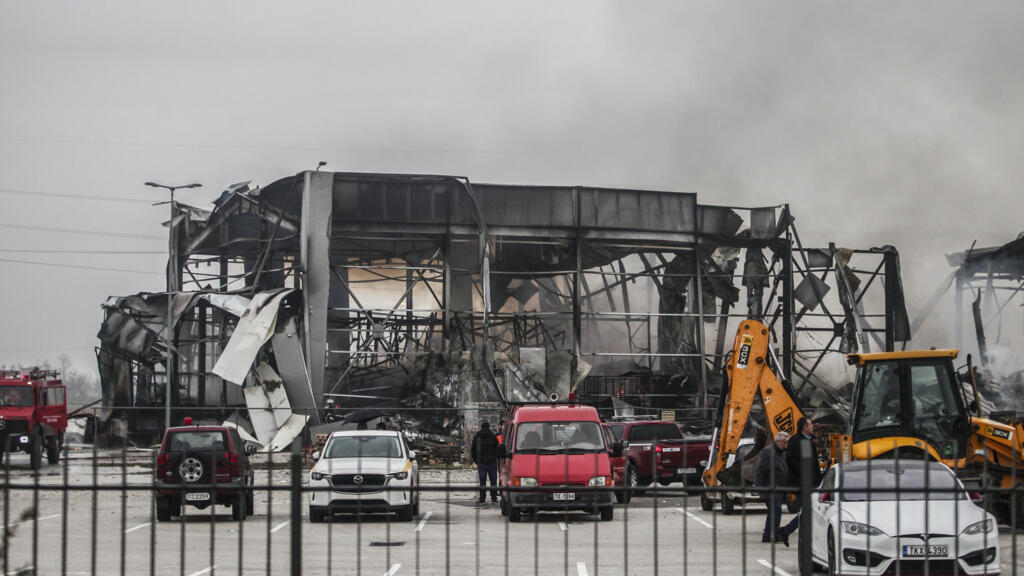
    Greece probes biscuit factory fire as fifth victim found


    The Greece factory fire, which occurred on [insert date], is one of the most devastating industrial accidents to hit the country in recent years. The fire took place in a large manufacturing plant in [insert location], causing significant damage to the factory structure and, tragically, leading to the loss of several lives. This event has not only devastated the workers and their families but also raised serious concerns about safety standards, emergency preparedness, and the long-term economic consequences for the region. In this article, we will explore the causes of the fire, its immediate impact, the aftermath, and the steps that need to be taken to prevent such disasters in the future.

    The Factory: A Hub of Production

    The factory involved in this fire was a key player in the manufacturing industry of Greece, contributing to both the local economy and national exports. The plant specialized in [insert industry type, e.g., textiles, chemicals, or electronics], employing hundreds of workers in various roles. For years, the facility had been an essential part of the region’s economic fabric, providing jobs and contributing to local business activity.

    The factory was a sprawling complex with multiple production lines, storage areas, and machinery. Despite its size and scale, the plant had been operating under increasing pressure to meet high production demands. This, combined with the inherent risks in the industry, made it vulnerable to accidents, especially when safety protocols were not strictly enforced.

    The Cause of the Fire

    The exact cause of the fire is still under investigation, but early reports suggest that a combination of faulty machinery, lack of proper maintenance, and potentially hazardous working conditions played a role. Experts have noted that the plant’s infrastructure may have been outdated, with fire prevention systems either poorly maintained or insufficient for the size of the operation. Some have pointed to the possibility of human error, with workers potentially exposed to dangerous chemicals or machinery that were not adequately safeguarded.

    Fire safety protocols, including the proper use of fire extinguishers, sprinkler systems, and clear evacuation routes, are vital to preventing such catastrophes. However, reports from survivors and investigators suggest that these systems may not have been fully operational or that the workers did not have the necessary training to handle an emergency of this magnitude. The delay in response time, coupled with the scale of the fire, allowed the flames to spread rapidly, consuming large portions of the factory and trapping many workers inside.

    The Human Cost

    The human toll of the Greece factory fire is staggering. At least [insert number] workers lost their lives in the blaze, with dozens more injured, some critically. The fire has left a deep scar on the families of the victims, many of whom are now left to cope with the tragic loss of their loved ones. In addition to the fatalities, the incident has caused significant psychological and emotional trauma for those who witnessed the fire or survived it.

    Emergency response teams, including firefighters and medical personnel, worked tirelessly to rescue those trapped inside the factory and to contain the fire. However, the scale of the disaster overwhelmed the resources available, leading to delayed evacuations and additional casualties. Many workers are still receiving medical treatment for burns, smoke inhalation, and other injuries.

    Economic Fallout

    The economic impact of the Greece factory fire extends far beyond the immediate loss of life and property damage. The factory, a significant employer in the region, provided jobs to hundreds of individuals. Its closure, even temporarily, has left many workers unemployed and struggling to find new opportunities. This has further strained the local economy, as small businesses that depended on the factory’s operation are also facing hardship.

    In addition to the financial losses suffered by the workers and their families, the fire has caused a disruption in production and exports. The factory’s clients, both domestic and international, will now experience delays in receiving their orders, potentially damaging the company’s reputation and future business prospects. The cost of rebuilding the factory and restoring its operations will also place a financial burden on the company and its stakeholders.

    A Call for Change: Improving Workplace Safety Greece factory fire

    The Greece factory fire serves as a tragic reminder of the importance of workplace safety, especially in industries that deal with hazardous materials or operate large-scale machinery. The government and industry leaders must take immediate steps to improve safety standards across the country’s factories. This includes stricter enforcement of safety regulations, regular maintenance and inspection of fire prevention systems, and ensuring that workers receive proper safety training.

    The tragedy has sparked calls for greater transparency in how factories are regulated and how workplace safety is monitored. It is crucial that all industrial facilities adopt best practices in safety management to prevent future disasters. Additionally, there needs to be a renewed focus on mental health and trauma recovery for workers who survive these incidents, as the psychological impact can last for years.

    Conclusion

    The Greece factory fire is a heartbreaking tragedy that has claimed lives, devastated families, and left a lasting impact on the local economy. As the investigation continues and the community begins to heal, it is clear that steps must be taken to prevent such disasters from occurring in the future. A renewed commitment to workplace safety, better training for workers, and improved emergency response measures are essential to ensuring that this tragedy is not repeated. The workers who lost their lives in this fire deserve justice, and the survivors must be given the support they need to

  • Tragedy Strikes as Philippines Ferry Capsizes: A Look into the Incident

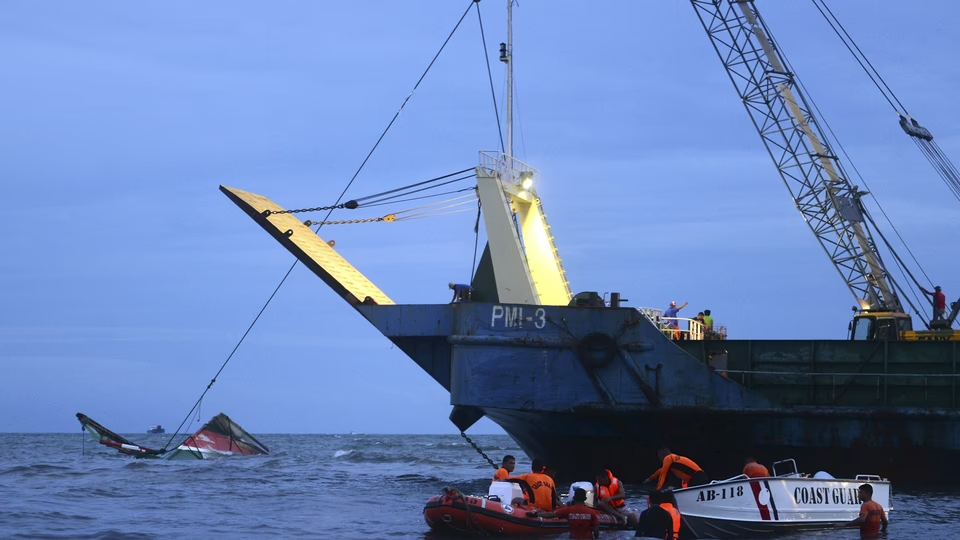
    The Philippines has once again been shaken by a devastating maritime accident. A ferry capsized off the coast of the central Philippines, leading to a heartbreaking loss of lives. The incident, which occurred under dark and stormy conditions, has sparked a national outcry and renewed discussions on the safety of maritime travel in the region. With ferries being a crucial mode of transport in the Philippines, especially for island-hopping and inter-island travel, this disaster highlights both the risks and challenges of ferry operations in the country.


    The Incident


    On the fateful day of the accident, the ferry was carrying a mix of passengers, crew members, and cargo. The vessel was en route from the city of Iloilo to the island of Guimaras, a popular destination for both tourists and locals. According to early reports from the Philippine Coast Guard, the ferry encountered rough seas and strong winds just hours after departing. The situation quickly deteriorated, and the vessel began to list before capsizing completely.


    Survivors recounted the chaotic scene as waves pummeled the ferry, which struggled to maintain its balance in the fierce storm. Many of the passengers were reportedly caught off guard by the suddenness of the event. Some managed to swim to nearby islands, while others were rescued by passing boats or helicopters. Tragically, many others were trapped inside the capsized ferry or drowned in the waters.


    Casualties and Rescue Operations


    As of the latest reports, the death toll from the ferry disaster has climbed to a significant number, with many passengers still unaccounted for. Rescue operations have been underway since the accident occurred, involving multiple government agencies, the Philippine Coast Guard, and local fishermen. The search-and-rescue teams have managed to recover several bodies, but the hope of finding more survivors is slowly diminishing with each passing hour.


    The tragedy has sparked an emotional response from the public, with many taking to social media to express their condolences and anger over the preventable nature of the disaster. Families of the missing have been waiting anxiously for updates, while the nation grieves for those who lost their lives in the disaster.


    Contributing Factors to the Capsizing


    Several factors are believed to have contributed to the capsizing of the ferry. First, weather conditions were particularly severe at the time, with heavy rains and high winds impacting the vessel’s ability to navigate safely. However, there are concerns about whether the ferry was adequately equipped to handle such conditions. Critics have raised questions about the age of the vessel, its maintenance records, and whether it should have been allowed to operate under such adverse weather conditions.


    Another factor contributing to the incident is the overloading of ferries. It is common for ferries in the Philippines to operate at or beyond their capacity, putting them at greater risk of instability, especially during rough seas. Safety regulations surrounding these vessels are often criticized for being poorly enforced, with many operators cutting corners to maximize profits. Overcrowding and lack of sufficient safety measures, such as life jackets and lifeboats, have been implicated in previous ferry accidents in the country.


    The State of Ferry Safety in the Philippines


    The Philippines has a long history of ferry accidents, and many of them have resulted in significant loss of life. Despite efforts by the government to improve safety standards, including stricter regulations and inspections, these incidents continue to occur. The challenges of ensuring safe ferry operations are compounded by the country’s archipelagic geography, where islands are interconnected by busy sea routes that are often poorly regulated. Philippines ferry capsizes


    The country has a mixed record when it comes to maritime safety. On one hand, the Philippine Coast Guard has made strides in improving the response to emergencies and enforcing safety standards. On the other hand, corruption and a lack of resources have hampered efforts to effectively regulate the maritime industry. Ferries are often old and poorly maintained, and operators may prioritize speed and profit over passenger safety.


    Conclusion and Call for Reform


    The capsizing of the ferry in the Philippines is a stark reminder of the dangers that still lurk in the country’s maritime industry. While the families of the victims cope with their grief, the nation is left grappling with questions about the state of ferry safety in the Philippines. This tragedy should serve as a catalyst for change, prompting both the government and ferry operators to take more rigorous measures to ensure the safety of passengers. This includes improving vessel maintenance, strictly enforcing capacity limits, and ensuring that safety regulations are followed at all costs. Only then can the people of the Philippines feel confident about traveling the seas without fearing for their lives./
  • The Fluctuating Gold Price: Understanding Its Dynamics

    Gold Price Charts & Historical Data - GoldPrice.org


    Gold has been a symbol of wealth, power, and security for centuries. Its unique properties make it valuable across various sectors, including jewelry, electronics, and even as an investment tool. Over time, the price of gold has experienced fluctuations due to a myriad of factors. In this article, we will delve into the dynamics that influence the price of gold, why it changes, and what it means for investors and consumers.

    The Factors That Influence Gold Prices

    Gold prices are influenced by a combination of economic, geopolitical, and market factors. One of the most significant factors is the level of global economic stability. When economies are unstable, such as during times of recession or financial crisis, investors tend to flock to gold as a safe-haven asset. This increased demand drives up the price of gold.

    Another key factor is inflation. When inflation is high, the value of currency decreases, prompting people to invest in gold to preserve their purchasing power. As a result, gold acts as a hedge against inflation, maintaining its value over time even as paper currencies lose their worth.

    Geopolitical events also have a major impact on gold prices. Conflicts, wars, or political unrest in any part of the world can cause uncertainty in global markets. Investors typically turn to gold during these times to protect their assets from the volatility of other financial markets. Additionally, changes in the value of the US dollar have a direct relationship with gold prices. As the dollar weakens, gold becomes cheaper for foreign buyers, which increases its demand and raises its price.

    Gold as an Investment

    Gold has long been viewed as a stable investment, particularly during times of economic uncertainty. Historically, it has proven to retain its value over the long term, making it a favored choice for diversifying investment portfolios. Unlike stocks or bonds, gold does not depend on the performance of a company or a government. This makes it an attractive option for investors looking to hedge against market risk.

    However, the price of gold is not immune to short-term fluctuations. While it generally maintains its value over time, there can be periods of volatility. For instance, during times of high interest rates, investors might choose bonds or other assets over gold because they offer better returns. Similarly, when the economy is thriving, gold may underperform as people feel more confident in other investments.

    Despite these fluctuations, the appeal of gold as a long-term store of value remains strong. In fact, many central banks around the world hold gold reserves as part of their foreign exchange holdings, which further underlines its importance as a safe-haven asset.

    The Role of Supply and Demand in Gold Prices

    Like any commodity, the price of gold is largely driven by supply and demand. On the supply side, gold mining plays a crucial role. The cost of extracting gold from the earth, technological advancements, and the discovery of new gold reserves all influence the supply. However, gold mining is a resource-intensive process, which means that production levels often cannot quickly respond to sudden changes in demand. This can result in price spikes when demand rises unexpectedly.

    On the demand side, factors such as jewelry consumption, industrial uses, and investment demand all contribute to the price of gold. Jewelry, particularly in countries like India and China, accounts for a significant portion of global gold demand. In addition, gold is used in a wide range of industrial applications, including electronics and aerospace, further supporting its value. Investment demand, including through gold-backed exchange-traded funds (ETFs), also plays a major role in determining price fluctuations.

    The Impact of Gold Prices on the Global Economy

    Gold prices have a ripple effect on the global economy. When gold prices rise significantly, it can signal growing economic instability or inflation concerns. This often leads to increased market volatility, which can affect everything from stock prices to interest rates. On the other hand, a sharp decline in gold prices can indicate that economic conditions are improving, prompting greater risk appetite among investors.

    For consumers, the price of gold directly affects the cost of buying jewelry, coins, and other gold-related products. When gold prices are high, these items become more expensive, which can reduce demand. Conversely, when prices are low, consumers may take advantage of the opportunity to purchase gold at a lower cost.

    Conclusion gold price

    In conclusion, the price of gold is shaped by a combination of economic, geopolitical, and market forces. While it serves as a valuable asset for investment, it is also subject to fluctuations based on global events and changes in supply and demand. Understanding the factors that influence gold prices is essential for both consumers and investors, as it allows them to make informed decisions. Whether as a safe-haven investment during times of uncertainty or a hedge against inflation, gold continues to play a pivotal role in the global economy.

  • India-EU Trade Deal: A Step Towards Stronger Global Partnerships

    India-EU Free Trade Deal: Import Duty Cut To 40% May Lower Car Prices In  India


    The trade relationship between India and the European Union (EU) has been evolving over the past few decades. Both regions, with their immense economic potential and global influence, stand to benefit significantly from enhanced trade ties. The negotiations for a comprehensive trade deal between India and the EU are expected to create a robust framework for economic collaboration, covering areas like goods, services, investment, and intellectual property. This article delves into the key aspects of the India-EU trade deal and its significance for both parties.

    Historical Context and Economic Importance

    India and the EU have a long history of trade relations, with the EU being one of India’s largest trading partners. In 2020, the EU accounted for nearly 11.1% of India’s total trade in goods, making it a crucial market for Indian exports. On the other hand, India is the EU’s 9th largest trading partner, with trade in services and goods growing steadily over the years. Despite the strong trade ties, the economic relationship has not yet reached its full potential, largely due to the lack of a comprehensive free trade agreement (FTA).

    The EU has been a key source of foreign direct investment (FDI) for India, and India is also an important market for European businesses, particularly in sectors like pharmaceuticals, machinery, and chemicals. However, trade barriers such as tariffs, regulatory restrictions, and lack of a structured trade framework have hindered smoother economic interaction.

    Key Components of the India-EU Trade Deal

    The India-EU trade deal is expected to be a comprehensive agreement that covers various economic sectors, including trade in goods, services, investment, and digital economy. Some of the critical aspects of the deal include:

    Trade in Goods: Both India and the EU have agreed to reduce tariffs and non-tariff barriers to trade. This will enhance the movement of goods such as textiles, agricultural products, and machinery. The deal will also streamline customs procedures, making trade more efficient.

    Services and Investment: India’s strong services sector, particularly in IT, engineering, and healthcare, stands to gain significantly from this deal. The agreement aims to improve market access for Indian service providers in the EU while offering reciprocal benefits for European companies in India. Moreover, the deal includes provisions to protect investments, ensuring a more secure environment for European businesses operating in India and vice versa.

    Intellectual Property Rights (IPR): The agreement will also address IPR, an important area for both India and the EU. With a growing knowledge-based economy, both parties are looking to safeguard their innovations. Strengthening IPR protections will encourage innovation and creativity, benefiting industries such as pharmaceuticals, technology, and entertainment.

    Sustainability and Climate Goals: Given the increasing focus on sustainability, the India-EU trade deal is also expected to include commitments to green trade practices. Both parties have expressed a shared interest in tackling climate change and promoting sustainable development. As part of the deal, India and the EU are likely to align their policies on environmental protection, sustainable energy, and the green economy.

    Benefits for India and the EU

    For India, the trade deal presents numerous opportunities to bolster its economic growth. India’s export-oriented industries, such as textiles, agriculture, and pharmaceuticals, will benefit from improved market access to the EU. The deal will also open up opportunities for India’s burgeoning digital economy to expand into the European market. In return, India can benefit from technology transfers, investment in infrastructure, and access to European markets, which will foster job creation and economic development.

    For the EU, the India-EU trade deal will enhance its access to one of the world’s fastest-growing economies. India’s large consumer base presents enormous potential for European companies looking to expand their footprint in Asia. Furthermore, India’s role as a global manufacturing hub offers European businesses the opportunity to tap into cost-effective production options. The trade deal is likely to strengthen the EU’s position in the Indo-Pacific region and deepen its geopolitical influence in Asia.

    Challenges and Future Prospects India EU trade deal

    While the India-EU trade deal holds great promise, there are challenges to overcome. One of the key sticking points in the negotiations has been India’s reluctance to open up its agriculture and services sectors fully. India is concerned about its farmers’ and small businesses’ competitiveness, and thus, it has sought protection for certain industries. Similarly, the EU has been wary about granting India unrestricted access to its services market, especially in sectors like legal and financial services.

    Moreover, political considerations and domestic concerns in both regions can complicate the deal. In India, the trade deal must be seen as beneficial to the country’s socio-economic development, while the EU must ensure that its environmental and labor standards are upheld.

    However, both sides are committed to addressing these concerns through negotiations, and with growing global challenges such as trade disruptions and climate change, a comprehensive trade deal is seen as a win-win for both India and the EU.

    Conclusion

    The India-EU trade deal represents a significant step towards enhancing global economic cooperation. As India continues to emerge as a global economic powerhouse and the EU seeks to strengthen its ties with Asia, the trade deal has the potential to transform the economic landscape of both regions. By addressing key issues like tariffs, services, investment, and intellectual property, the deal will not only boost trade between India and the EU but also contribute to a more sustainable and integrated global economy. Both parties have much to gain, and the future looks promising as they move forward with n

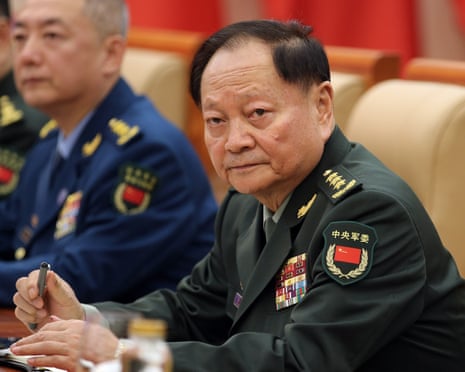
  • Zhang Youxia: A Visionary Leader Shaping China’s Military Future

    China's top general under investigation for alleged violations amid  corruption crackdown | China | The Guardian


    Zhang Youxia, a name that has steadily gained prominence in China’s military landscape, has played a pivotal role in shaping the country’s defense strategies and technological advancements. Serving as a senior official in the People’s Liberation Army (PLA), Zhang has not only contributed significantly to the modernization of China’s military but also carved a path for its future capabilities. His career is a testament to the rising influence of China on the global stage, particularly in terms of military power and technological innovations. This article delves into the life, achievements, and contributions of Zhang Youxia, examining his pivotal role in China’s military modernization and his lasting impact on global geopolitics.

    Early Life and Military Background

    Born in 1950, Zhang Youxia hails from a military family, which heavily influenced his career p Zhang Youxiaath. His father, Zhang Zongxun, was also a prominent figure in the Chinese military, serving as a general. Growing up with a deep understanding of military life, Zhang Youxia was inducted into the PLA at a young age. His early years in the military were marked by dedication, discipline, and a keen interest in military technology and strategy. Over the years, Zhang rapidly ascended the ranks, demonstrating exceptional leadership qualities and an unparalleled commitment to modernizing the Chinese military.

    Zhang’s educational background is also a significant part of his military career. He attended the prestigious PLA National Defense University, where he received specialized training in military theory and strategy. This educational foundation not only prepared him for high-level military roles but also made him a key figure in understanding the intricacies of modern warfare and defense technologies.

    Career and Military Leadership

    Zhang Youxia’s military career is a blend of tactical expertise, technological innovation, and strategic foresight. Over the decades, he has held several critical positions within the PLA, ultimately culminating in his appointment as the Vice Chairman of the Central Military Commission in 2017, a position he still holds today. This influential role places him in direct control of China’s military strategies and the PLA’s modernization programs, overseeing defense policy, military spending, and technological advancements.

    One of Zhang’s most significant contributions is his involvement in China’s space and missile development programs. Under his leadership, the PLA has made remarkable strides in enhancing its missile capabilities, including the development of sophisticated intercontinental ballistic missiles (ICBMs) and hypersonic weapons. These technological advancements are crucial for China’s long-term military strategy, ensuring the country’s ability to defend its interests and project power on the global stage.

    Zhang Youxia has also been a key player in advancing China’s nuclear strategy, overseeing the development of a credible nuclear deterrent that has altered the global balance of power. His strategic vision is focused on ensuring that China’s military can not only defend its borders but also compete with leading military powers, such as the United States and Russia. His leadership in this area has been instrumental in securing China’s place as one of the world’s foremost military powers.

    Contributions to China’s Military Modernization

    Under Zhang’s leadership, China has made significant progress in modernizing its military forces. One of his key priorities has been the enhancement of the PLA’s technological capabilities, with a specific emphasis on artificial intelligence, cyber warfare, and advanced robotics. These advancements have allowed China to stay competitive in an increasingly high-tech global military environment.

    The modernization efforts are not only focused on hardware but also on the training and development of personnel. Zhang has advocated for a new approach to military education, incorporating new technological tools and methodologies to equip PLA personnel with the necessary skills to operate in the modern battlefield. By focusing on a more high-tech, strategic approach to warfare, Zhang has positioned the PLA to be more agile and versatile, ready to adapt to the challenges of modern warfare.

    His vision of an integrated military strategy, combining both conventional and non-conventional warfare methods, has laid the foundation for the PLA’s future. Zhang Youxia’s leadership has been crucial in enhancing the PLA’s capability to deal with both conventional conflicts and emerging security threats, such as cyber attacks and space-based warfare.

    Global Influence and Future Prospects

    Zhang Youxia’s contributions extend beyond China’s borders, with his strategic decisions and military innovations affecting global defense dynamics. As China continues to rise as a global power, the influence of figures like Zhang Youxia will only increase. His leadership is a reflection of China’s broader ambition to modernize and assert itself in international affairs, especially in the areas of defense and military technology.

    In the coming years, Zhang’s influence will likely continue to shape China’s military trajectory. The expansion of China’s defense capabilities, particularly in space and missile technology, signals the country’s intent to become a dominant military power. As the global military landscape evolves, Zhang Youxia’s role in overseeing the modernization of China’s military will be essential in determining its future position on the world stage.

    Conclusion

    Zhang Youxia stands as one of the most influential military leaders in China’s history. Through his leadership, China has made significant strides in modernizing its military forces and advancing its technological capabilities. His strategic vision has ensured that China remains a formidable military power, ready to meet the challenges of the 21st century. As China continues to rise, Zhang Youxia’s legacy will undoubtedly play a crucial role in shaping the future of the global military balance.

  • The US-Ukraine Security Agreement: Strengthening Global Alliances

    What the new U.S.-Ukraine security agreement means


    Introduction to the US-Ukraine Security Agreement
    In recent years, the United States and Ukraine have forged stronger ties, particularly in the area of defense and security. This partnership has been crucial as Ukraine faces growing security challenges, notably from Russia’s aggressive actions in Eastern Europe. The US-Ukraine security agreement aims to bolster Ukraine’s defense capabilities and ensure its sovereignty, as well as contribute to broader European and global stability. The agreement signifies a deeper level of cooperation between the two nations and highlights the US commitment to supporting Ukraine’s territorial integrity.
    Objectives of the US-Ukraine Security Agreement
    The primary objective of the US-Ukraine security agreement is to enhance Ukraine’s ability to defend itself against external threats, particularly from Russia. This includes providing military aid, intelligence support, and advanced weaponry. By strengthening Ukraine’s defense infrastructure, the US seeks to deter further aggression from hostile forces in the region. The agreement also aims to improve Ukraine’s military training programs and ensure that its forces are equipped to handle modern warfare tactics. In addition, the US provides crucial cyber defense support to help Ukraine safeguard its critical infrastructure from cyber-attacks, which have become an increasingly common tactic in modern conflicts.
    Another critical objective of the agreement is to promote Ukraine’s integration into the wider European security framework. By aligning with NATO, the US-Ukraine security agreement is part of a larger strategy to ensure that European countries remain united in the face of threats from Russia. This cooperation is seen as an essential step in ensuring the long-term stability of Europe, as a strong Ukraine is viewed as a key bulwark against Russian expansionism. Moreover, the agreement helps Ukraine build stronger ties with other Western allies, which will be vital for its future political and economic stability.
    Military and Economic Support: Key Provisions
    One of the most notable provisions of the US-Ukraine security agreement is the significant military aid package provided by the United States. This includes advanced weaponry such as anti-tank missiles, air defense systems, and drones, which are essential for countering the growing threat from Russian forces. Additionally, the US has committed to providing training to Ukrainian military personnel, focusing on tactics, strategy, and cybersecurity. The collaboration between the two countries also involves joint military exercises, which enhance interoperability and ensure that Ukraine’s military forces are better prepared for potential conflicts.
    The agreement also includes substantial economic support, which helps Ukraine maintain its defense infrastructure and address the economic challenges it faces due to the ongoing conflict. This economic aid includes funding for rebuilding efforts in war-torn areas, as well as support for key sectors such as energy and agriculture. The US recognizes the importance of Ukraine’s economic stability in achieving long-term peace and security in the region. As such, the security agreement goes beyond military support and addresses the broader challenges facing Ukraine in its recovery process.
    Regional and Global Implications US-Ukraine security agreement
    The US-Ukraine security agreement has significant implications for regional and global security. For Ukraine, it is a testament to the strong backing it receives from the US and NATO. This support acts as a deterrent to further Russian aggression, signaling that Ukraine is not isolated in its struggle for sovereignty. The agreement also has broader implications for Europe, as it strengthens NATO’s eastern flank and reinforces the collective defense principle that underpins the alliance. In the event of further escalations, the US-Ukraine partnership ensures that Ukraine is not left to fend for itself.
    On a global scale, the US-Ukraine security agreement is viewed as part of the broader struggle for democracy and the rule of law. As Ukraine battles Russian influence, the West’s support for Ukraine is seen as a defense of democratic values and the sovereignty of nations. The agreement is also a signal to other countries in Eastern Europe and beyond that the US is committed to preventing authoritarian regimes from imposing their will on sovereign states.
    Conclusion
    The US-Ukraine security agreement represents a pivotal moment in the geopolitical landscape of Europe and the world. With Russia’s ongoing aggression in the region, the partnership between the US and Ukraine is crucial for maintaining peace and stability. By providing military and economic support, as well as reinforcing Ukraine’s position in the global security framework, the agreement enhances Ukraine’s ability to defend itself and ensures its future sovereignty. The continued strengthening of this partnership will not only benefit Ukraine but will also contribute to the broader security and stability of Europe and the world at large.

  • The Legal Battle: Iraq Terrorism Lawsuit and Its Global Implications

    Iraqi MP files lawsuit against Syrian president over 'terrorist' past


    proceedings in international courts. One such prominent legal case is the Iraq terrorism lawsuit, which raises serious questions about state responsibility, accountability, and the role of governments in combating terrorism. This lawsuit involves various plaintiffs suing the Iraqi government for alleged ties to terrorist organizations that have caused untold damage and loss of life. In this article, we explore the details of the Iraq terrorism lawsuit, its implications, and how it fits within the broader context of global anti-terrorism efforts.

    Background of the Iraq Terrorism Lawsuit

    The Iraq terrorism lawsuit is a complex legal case filed by individuals, organizations, and foreign governments who claim that the Iraqi government or its agents have supported or failed to prevent terrorist activities within its borders. One of the most significant aspects of this case is the alleged involvement of the Iraqi government in the facilitation and financing of groups like ISIS (Islamic State of Iraq and Syria) and other terrorist organizations operating in the region.

    The roots of this lawsuit trace back to the Iraq War, where the U.S.-led coalition ousted Saddam Hussein’s regime in 2003. The subsequent power vacuum created by the collapse of the Ba’athist government allowed terrorist organizations to flourish. Iraq became a breeding ground for extremist ideologies, with groups like ISIS using the instability to seize territory and declare a self-styled caliphate.

    The lawsuit argues that Iraq, as a sovereign state, failed in its duty to protect its citizens and the international community from the threats posed by these terror groups. The plaintiffs argue that Iraq’s failure to prevent terrorism, especially the rise of ISIS, directly contributed to the loss of life, destruction of infrastructure, and economic setbacks in the region.

    Legal Basis of the Lawsuit

    The legal framework for the Iraq terrorism lawsuit hinges on international law, particularly conventions and treaties that govern state responsibility in the context of terrorism. One of the key legal foundations for this case is the International Convention for the Suppression of the Financing of Terrorism, adopted by the United Nations in 1999. This convention obligates states to prevent and punish acts of terrorism, including the financing of terrorist activities.

    Additionally, the plaintiffs have cited the legal doctrine of state-sponsored terrorism, which holds governments accountable for supporting or harboring terrorist groups. In this case, the plaintiffs argue that Iraq’s inability to curb the rise of terrorist organizations like ISIS, and its alleged indirect support for such groups, constitutes a breach of its international obligations.

    The case also raises questions about the jurisdiction of international courts and the ability of foreign governments to sue Iraq for its role in fostering terrorism. While Iraq maintains sovereignty over its territory, international courts have increasingly recognized the need for accountability in cases where state actions or negligence directly lead to terrorism.

    The Role of the International Community

    The Iraq terrorism lawsuit also highlights the role of the international community in addressing terrorism. The United Nations, NATO, and other international organizations have all played pivotal roles in combating terrorism in Iraq. However, despite efforts to stabilize the region, Iraq remains a hotspot for terrorist activities. This lawsuit underscores the challenges faced by the global community in holding states accountable for terrorism and ensuring that perpetrators are brought to justice.

    Furthermore, the lawsuit brings to the forefront the role of international alliances in combating terrorism. Countries that were involved in the Iraq War, particularly the United States, have invested heavily in the fight against groups like ISIS, but have also been criticized for their role in destabilizing the region. The lawsuit raises questions about the moral responsibility of these nations and whether they should be held accountable for the chaos that followed the Iraq invasion.

    Implications of the Lawsuit Iraq terrorism lawsuit

    The outcome of the Iraq terrorism lawsuit could have far-reaching implications for both international law and global counterterrorism efforts. If Iraq is held accountable for its role in fostering terrorism, it could set a legal precedent for holding other countries responsible for allowing terrorist groups to operate within their borders. This could lead to an increase in lawsuits filed against states with alleged ties to terrorism, putting pressure on governments worldwide to take stronger action against terror organizations.

    On the other hand, a ruling in favor of Iraq could reinforce the principle of state sovereignty, making it more difficult to bring legal action against governments for terrorism-related activities. It would also raise difficult questions about the limits of international law and the ability of global institutions to enforce anti-terrorism measures.

    Conclusion

    The Iraq terrorism lawsuit is not just a legal battle; it is a pivotal case that could shape the future of international law and the global fight against terrorism. The lawsuit underscores the need for accountability and the responsibility of states to protect their citizens from the scourge of terrorism. As the case moves through the courts, it will undoubtedly serve as a critical point of discussion for policymakers, legal experts, and international leaders alike, as they seek to find a path forward in t

  • Tragic Train Crash in Spain: A Deep Dive Into the Incident

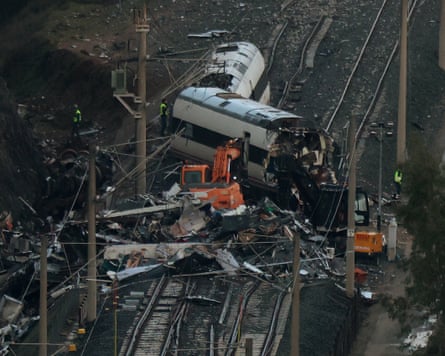
    Spanish train drivers call three-day strike after deadly railway crashes |  Spain | The Guardian


    On the morning of July 24, 2023, Spain witnessed one of its most tragic and devastating train accidents in recent years. A high-speed train, traveling from Madrid to Barcelona, derailed just outside the small town of Zaragoza. The crash claimed the lives of 17 people and injured more than 100, many of them critically. The crash was one of the deadliest in Spain’s history, sparking an outpouring of grief across the country and raising questions about the safety of the nation’s modern rail network. This article will explore the incident, its causes, the immediate aftermath, and the ongoing investigations into the crash.
    The Events Leading to the Tragedy
    The train involved in the accident was a Renfe AVE (Alta Velocidad Española) service, known for its high-speed, punctual travel between major Spanish cities. At the time of the crash, the train was reportedly traveling at approximately 300 km/h, a speed typical for AVE services. Witnesses recall hearing a loud, metallic sound before the train began to shake violently. As the train approached a bend in the track near Zaragoza, several carriages derailed, with some overturning and catching fire. Passengers who survived the initial shock described chaotic scenes, with injured and unconscious people scattered throughout the train, many unable to escape due to the severity of the crash.
    The first responders were quick to arrive at the scene, including police, paramedics, and firefighters, who worked tirelessly to extricate passengers from the wreckage. Despite their swift efforts, the scale of the destruction meant that many passengers were trapped, making the rescue operation particularly challenging.
    Investigation into the Cause of the Crash
    As with any major rail disaster, an investigation was launched immediately to determine the root cause of the crash. Initial reports suggested that a combination of human error and technical failure may have been factors in the incident. According to the Spanish Ministry of Transport, the train was supposed to reduce its speed as it approached the curve, but preliminary findings indicated that the automatic braking system failed to activate, which could have prevented the train from derailing. Spain train crash
    Furthermore, there have been suggestions that the track’s design and maintenance were also contributing factors. In the weeks following the accident, authorities found evidence that the track near the crash site had not been sufficiently inspected in recent years, raising concerns about the safety standards in place for high-speed rail networks in Spain.
    In addition, the Spanish government commissioned an independent inquiry into the incident, with a team of experts tasked with analyzing the data from the train’s black box and inspecting the wreckage for any signs of foul play. Investigators have also been looking into whether the train’s operators had adhered to safety protocols, and whether any lapses in training or fatigue among the crew may have contributed to the tragedy.
    The Aftermath and Impact on Spain
    The crash had a profound impact on Spain, a nation that prides itself on its modern and efficient transportation systems. The loss of life was felt deeply, not only by the families of the victims but also by the entire country. The Spanish Prime Minister, Pedro Sánchez, declared three days of national mourning in honor of the victims. Memorials and vigils were held across the country, with people from all walks of life paying tribute to the lives lost in the tragedy.
    Beyond the emotional toll, the incident raised serious questions about the safety of Spain’s high-speed rail system, which is one of the most extensive in Europe. Critics of the government have called for a complete overhaul of the inspection and maintenance procedures for rail infrastructure. Public opinion has shifted, with many demanding that more resources be allocated to ensuring the safety of high-speed rail travel, especially as more people turn to trains for intercity travel.
    What’s Next: The Road to Accountability and Reform
    The crash has led to calls for both accountability and reform in Spain’s rail industry. While the investigation is still ongoing, there are increasing pressures on the Spanish government and Renfe, the national railway operator, to implement stricter safety measures. One of the key recommendations that have emerged is the installation of more advanced safety systems, including automatic train control (ATC) systems that can prevent accidents like this one from happening again.
    Additionally, there has been a push for greater transparency in the investigation process, with citizens demanding detailed reports on the status of the rail infrastructure and whether there were any lapses in safety regulations. In the coming months, as the investigation unfolds, the public will be watching closely for any signs of negligence or systemic failures that may have contributed to the accident.
    Conclusion: A Wake-Up Call for Rail Safety
    The Spain train crash of 2023 serves as a stark reminder of the risks inherent in high-speed rail travel. While Spain’s rail network has been a model of efficiency for years, this incident highlights the need for constant vigilance and improvement in safety protocols. As the country mourns the victims and works toward accountability, the tragic event will likely lead to reforms that will shape the future of rail travel in Spain. Whether these changes will be enough to prevent future tragedies remains to be seen, but the hope is that lessons will be learned from this devastating accident, making the rails safer for all who travel on them.