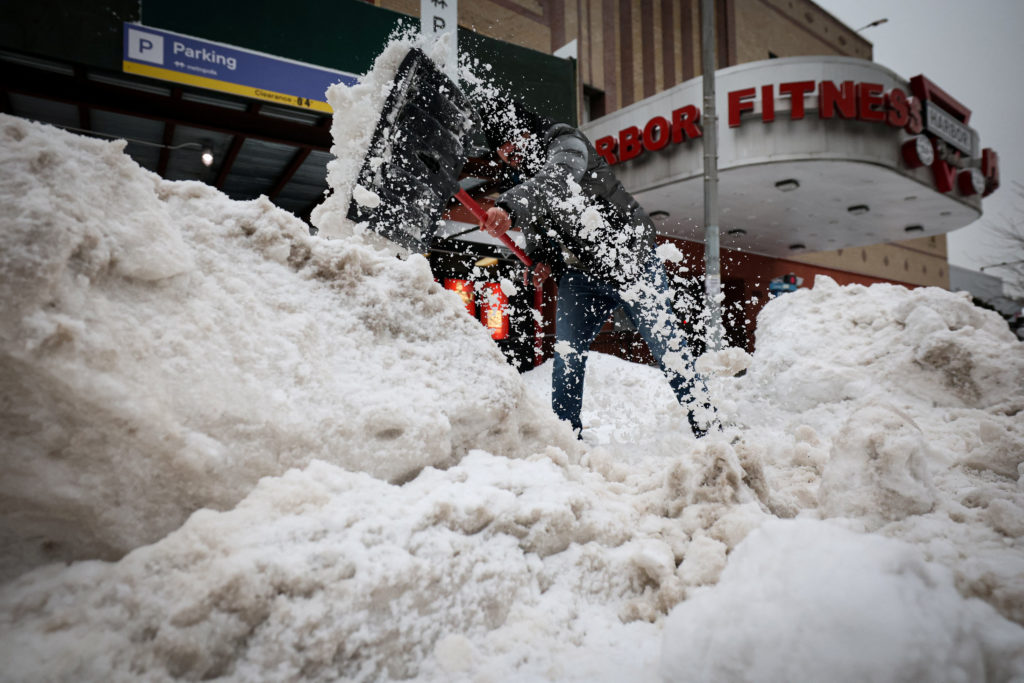
A winter storm is a weather event marked by a combination of snow, freezing rain, sleet, strong winds, and dangerously low temperatures. These storms usually form when cold polar air moves south and collides with moist, warmer air coming from oceans or large bodies of water. This clash creates clouds and precipitation, which fall as snow or ice when temperatures remain below freezing. Winter storms can last for a few hours or stretch across several days, affecting vast regions at once. While some storms bring light snowfall that looks peaceful and scenic, others can become severe, producing blizzards, whiteout conditions, and ice accumulation that make travel and daily life extremely hazardous.
Types of Winter Storms and Their Characteristics
Not all winter storms are the same, and understanding their types helps explain why some are more destructive than others. Snowstorms are the most common and involve steady snowfall that can range from light flurries to heavy snow dumping several inches in a short period. Blizzards are more intense, defined not just by snowfall but by strong winds and reduced visibility, often making it impossible to see more than a few feet ahead. Ice storms are particularly dangerous because freezing rain coats roads, trees, and power lines with ice, adding weight that can cause widespread power outages and structural damage. Lake-effect snowstorms occur near large lakes when cold air passes over warmer water, creating narrow but intense bands of heavy snowfall that can overwhelm local communities.
Effects on Daily Life and Infrastructure
Winter storms have a significant impact on daily routines and essential services. Transportation is often the first sector affected, as snow-covered roads, icy bridges, and grounded flights disrupt travel plans and supply chains. Schools and workplaces may close to ensure safety, while emergency services face increased demand due to accidents, exposure-related illnesses, and power failures. Infrastructure such as power lines, water systems, and communication networks can suffer serious damage, especially during ice storms. In rural and remote areas, prolonged storms may isolate communities, making it difficult to deliver food, fuel, and medical assistance. These disruptions highlight how deeply modern life depends on weather conditions remaining stable.
Environmental and Economic Consequences winter storm
Beyond immediate inconveniences, winter storms can have lasting environmental and economic effects. Heavy snowfall can benefit ecosystems by insulating soil and replenishing water supplies when it melts in spring, but excessive snow or ice can damage vegetation and wildlife habitats. Economically, winter storms cost billions of dollars each year in repairs, lost productivity, and emergency response efforts. Businesses may suffer from closures and reduced customer activity, while governments must allocate large budgets for snow removal, road maintenance, and disaster relief. Agriculture can also be affected, as livestock face exposure risks and crops may be damaged by extreme cold or ice accumulation.
Preparation and Safety During Winter Storms
Preparation plays a crucial role in reducing the dangers associated with winter storms. Monitoring weather forecasts allows individuals and communities to plan ahead and take necessary precautions. Stocking emergency supplies such as food, water, medications, and blankets can make a significant difference during extended power outages. Proper home insulation, safe heating practices, and maintaining vehicles for winter conditions help minimize risks. During a storm, limiting travel, dressing in layers, and checking on vulnerable neighbors can prevent accidents and save lives. These simple actions, when taken seriously, can greatly reduce the harm caused by severe winter weather.
The Growing Importance of Awareness
As climate patterns change, winter storms are becoming less predictable, with some regions experiencing stronger storms and others facing unusual weather shifts. This makes public awareness and preparedness more important than ever. Understanding how winter storms form, recognizing their potential impacts, and knowing how to respond can help communities stay resilient. While winter storms are a natural part of the seasonal cycle, their power should never be underestimated, as they serve as a reminder of how closely human life is tied to the forces of nature.a
Leave a Reply