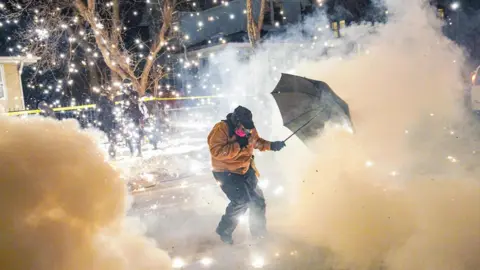
Minnesota has long been shaped by immigration, from Scandinavian settlers in the nineteenth century to more recent arrivals from Latin America, East Africa, and Southeast Asia. This diversity has made immigration policy a visible and often emotional issue in the state. Protests against Immigration and Customs Enforcement, commonly known as ICE, have emerged as part of a broader national movement questioning the role of federal immigration authorities, particularly their methods of detention, deportation, and cooperation with local law enforcement. In Minnesota, these demonstrations have taken place in urban centers like Minneapolis and St. Paul, as well as in smaller communities where immigrant labor supports agriculture, food processing, and service industries.
Catalysts Behind the Protests Minnesota ICE protests
The Minnesota ICE protests have been driven by a combination of policy decisions and personal stories. Activists often point to high-profile deportation cases involving long-term residents, parents of U.S.-born children, or individuals with deep ties to local communities. Federal enforcement actions, workplace raids, and detention practices have intensified fears among immigrant families, prompting public demonstrations. Protesters argue that these actions create an atmosphere of uncertainty and discourage immigrants from accessing essential services or cooperating with police, which they believe ultimately harms public safety rather than strengthening it.
Key Actors and Community Involvement
A wide range of groups has participated in the protests, including immigrant rights organizations, faith leaders, labor unions, students, and elected officials. Churches and community centers have often served as organizing hubs, offering both moral support and practical assistance such as legal aid clinics. Many protests emphasize nonviolent resistance and solidarity, with participants carrying signs, chanting slogans, and sharing testimonies from affected families. Local leaders have sometimes joined these demonstrations, reflecting divisions between state or municipal perspectives and federal immigration priorities.
Methods and Messages of Protest
The protests in Minnesota have taken many forms, from large marches and rallies to sit-ins and vigils outside government buildings or detention facilities. Social media has played a crucial role in mobilizing supporters and spreading information quickly. The core message tends to focus on humanizing immigrants, highlighting their contributions to Minnesota’s economy and culture, and calling for more compassionate and reform-oriented immigration policies. Rather than opposing border security outright, many protesters stress the need for due process, transparency, and alternatives to detention.
Public Response and Political Impact
Public reaction to the Minnesota ICE protests has been mixed. Supporters see them as a necessary expression of democratic engagement and moral responsibility, while critics argue that immigration enforcement is a federal duty that should not be obstructed. These differing views have fueled debates at city council meetings, in state legislative sessions, and across local media. In some cases, protests have influenced policy discussions around “sanctuary” practices, data sharing between local police and federal authorities, and the allocation of resources for immigrant legal defense funds.
Broader Significance and Future Outlook
The Minnesota ICE protests reflect a larger national conversation about immigration, identity, and the balance between law enforcement and human rights. They demonstrate how local communities can become focal points for federal policy debates, especially in states with growing immigrant populations. As immigration laws and enforcement strategies continue to evolve, protests in Minnesota are likely to persist as a form of civic participation. Whether they lead to substantial policy change or primarily serve as a platform for raising awareness, these demonstrations underscore the enduring importance of public dialogue in shaping how communities respond to complex social issues.qa
Leave a Reply