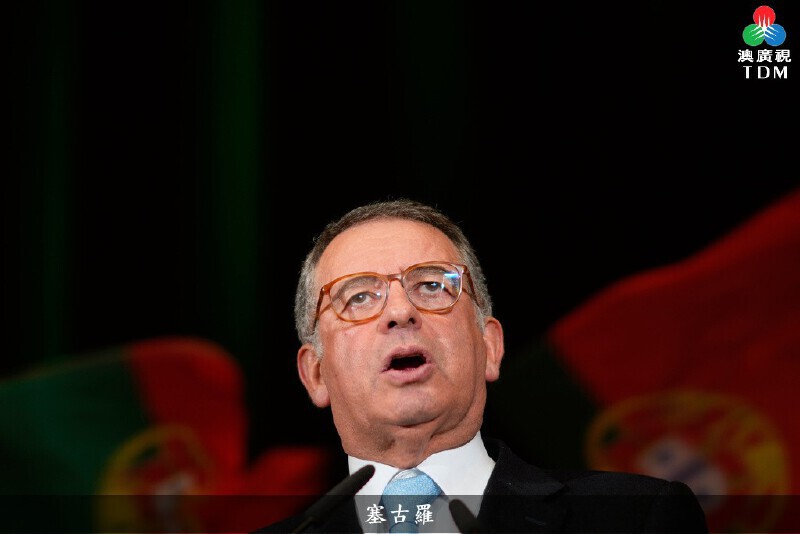
Introduction to the Portuguese Presidential System
The Portugal presidential election is a key democratic event that reflects the country’s commitment to constitutional governance and political stability. Portugal operates under a semi-presidential system, where executive power is shared between the President of the Republic and the government led by the Prime Minister. Although the president does not govern on a daily basis, the office carries significant authority and symbolic importance. Presidential elections in Portugal are held every five years and are conducted through a direct popular vote, allowing citizens to choose their head of state. This system has played a major role in maintaining democratic continuity since the end of authoritarian rule in 1974.
Role and Powers of the President of Portugal
The president of Portugal serves as a guarantor of the constitution and the proper functioning of democratic institutions. While the prime minister manages government policy, the president has the power to appoint the prime minister, dissolve parliament under certain conditions, veto legislation, and call elections. These powers make the presidency an influential position, particularly during times of political instability. The president also represents Portugal internationally and acts as commander-in-chief of the armed forces. As a result, presidential candidates are often judged not only on political ideology but also on credibility, independence, and ability to act as a unifying national figure.
Election Process and Voting System Portugal presidential election
Portugal’s presidential election uses a two-round system designed to ensure that the winning candidate has broad public support. In the first round, all eligible candidates compete, and if one candidate receives more than 50 percent of the votes, they are elected outright. If no candidate reaches this majority, a second round is held between the two candidates with the highest number of votes. This runoff system strengthens democratic legitimacy and encourages voter participation. Portuguese citizens aged 18 and older are eligible to vote, and voting is conducted by secret ballot to protect electoral integrity.
Political Landscape and Candidates
Presidential elections in Portugal often feature candidates from across the political spectrum, including those supported by major parties as well as independents. Although political parties play a role in endorsing candidates, the presidency is expected to remain above day-to-day party politics. This has led to the election of presidents who emphasize moderation, dialogue, and constitutional responsibility. Campaigns typically focus on national unity, economic stability, social cohesion, and Portugal’s role within the European Union. Media debates, public appearances, and policy statements help voters assess the candidates’ leadership qualities rather than detailed legislative agendas.
Historical Context and Democratic Importance
Since the restoration of democracy, Portugal has held regular and peaceful presidential elections, reinforcing public trust in democratic institutions. The presidency has often acted as a stabilizing force during economic crises, minority governments, or parliamentary deadlock. Presidents have used their constitutional powers carefully, balancing intervention with respect for elected governments. This historical experience has shaped public expectations, making voters attentive to a candidate’s commitment to democratic values, transparency, and institutional balance. Each election therefore serves not only to select a leader but also to reaffirm Portugal’s democratic identity.
Conclusion: Why the Presidential Election Matters
The Portugal presidential election is more than a routine political event; it is a reflection of the country’s democratic maturity and constitutional balance. By directly electing their president, Portuguese citizens play an active role in shaping national leadership and safeguarding democratic norms. The combination of meaningful presidential powers, a fair electoral system, and an engaged electorate ensures that the presidency remains a respected and influential institution. As Portugal continues to face social, economic, and international challenges, presidential elections will remain a crucial moment for national reflection and democratic participation.
Leave a Reply