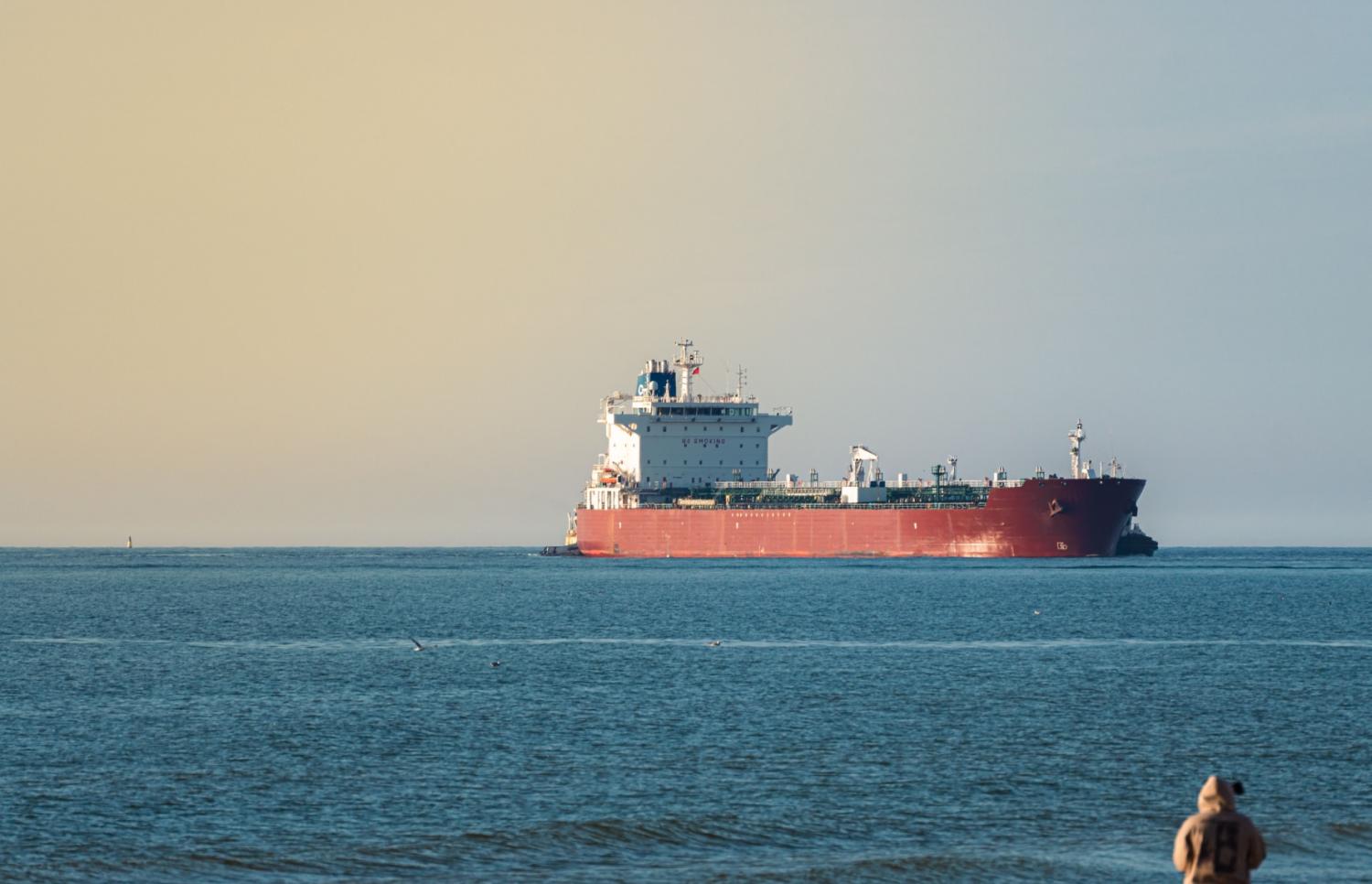
Russian oil has long been one of the pillars of the country’s economic and geopolitical strength, with its origins tracing back to the late nineteenth century when oil fields near Baku and later in Siberia began shaping the empire’s industrial future. During the Soviet era, oil production became a strategic priority, fueling heavy industry, military power, and alliances across Eastern Europe. After the collapse of the Soviet Union, Russia inherited vast reserves, extensive infrastructure, and technical expertise, allowing it to reemerge in the 2000s as one of the world’s top oil producers. Companies such as Rosneft, Lukoil, and Gazprom Neft played a major role in modernizing production while maintaining close ties to the state, ensuring that oil revenues remained central to national policy. This historical continuity explains why oil is not just an economic commodity for Russia, but a symbol of sovereignty and global relevance. Russian oil
Economic Importance and Domestic Impact
Oil revenues form a substantial portion of Russia’s federal budget and export earnings, making the sector vital for funding public services, infrastructure, and social programs. Fluctuations in global oil prices have a direct effect on the Russian ruble, inflation, and overall economic stability. When prices are high, the government benefits from budget surpluses and foreign currency reserves; when prices fall, economic pressure intensifies, often leading to spending cuts or currency depreciation. Beyond macroeconomic indicators, millions of jobs are linked directly or indirectly to the oil industry, especially in remote regions such as Western and Eastern Siberia where few alternative industries exist. As a result, Russian oil is deeply intertwined with domestic stability, regional development, and public perception of economic well-being.
Russian Oil in Global Markets
For decades, Russia has been one of the world’s largest oil exporters, supplying crude and refined products to Europe, Asia, and beyond. Its extensive pipeline network, including routes like Druzhba, historically gave Russia a logistical advantage and long-term market access. In recent years, Asia, particularly China and India, has become increasingly important as a destination for Russian oil, reflecting both growing energy demand and shifting geopolitical relationships. Russian crude is often attractive due to competitive pricing and flexible contracts, allowing it to remain relevant even in volatile market conditions. This global reach has enabled Russia to influence supply dynamics and play a key role in international energy discussions.
Sanctions, Geopolitics, and Strategic Adaptation
Geopolitical tensions and sanctions imposed by Western countries have significantly reshaped the trajectory of Russian oil exports. Restrictions on technology transfer, financing, and shipping have challenged production efficiency and market access, particularly for complex projects such as Arctic or deep-water drilling. In response, Russia has adapted by redirecting exports to non-Western markets, expanding “shadow fleets,” and offering discounted prices to maintain volumes. Cooperation with OPEC through the OPEC+ framework has also become a crucial strategy, allowing Russia to coordinate production levels and stabilize prices. These adaptations highlight how Russian oil policy is increasingly shaped by geopolitics rather than purely economic considerations.
Environmental Concerns and the Energy Transition
Despite its economic importance, Russian oil faces growing scrutiny due to environmental concerns and the global push toward cleaner energy. Oil extraction in fragile ecosystems, including Arctic regions, raises risks of spills and long-term ecological damage. At the same time, global commitments to reduce carbon emissions threaten long-term demand for fossil fuels. While Russia has acknowledged the energy transition, its economy remains heavily dependent on oil, making diversification a slow and complex process. Investments in renewable energy and cleaner technologies exist but are modest compared to the scale of the oil sector. This tension between environmental responsibility and economic dependence defines one of the biggest challenges facing Russian oil in the coming decades.
The Future of Russian Oil
The future of Russian oil will depend on a balance between resource abundance, technological adaptation, and geopolitical strategy. Vast reserves ensure that Russia will remain a major oil producer for years to come, but access to technology, capital, and stable markets will determine how competitive it remains. As global energy systems evolve, Russia faces a choice between deepening reliance on oil or gradually reshaping its economy to reduce vulnerability. Regardless of the path taken, Russian oil will continue to play a significant role in shaping both national fortunes and global energy dynamics.
Leave a Reply