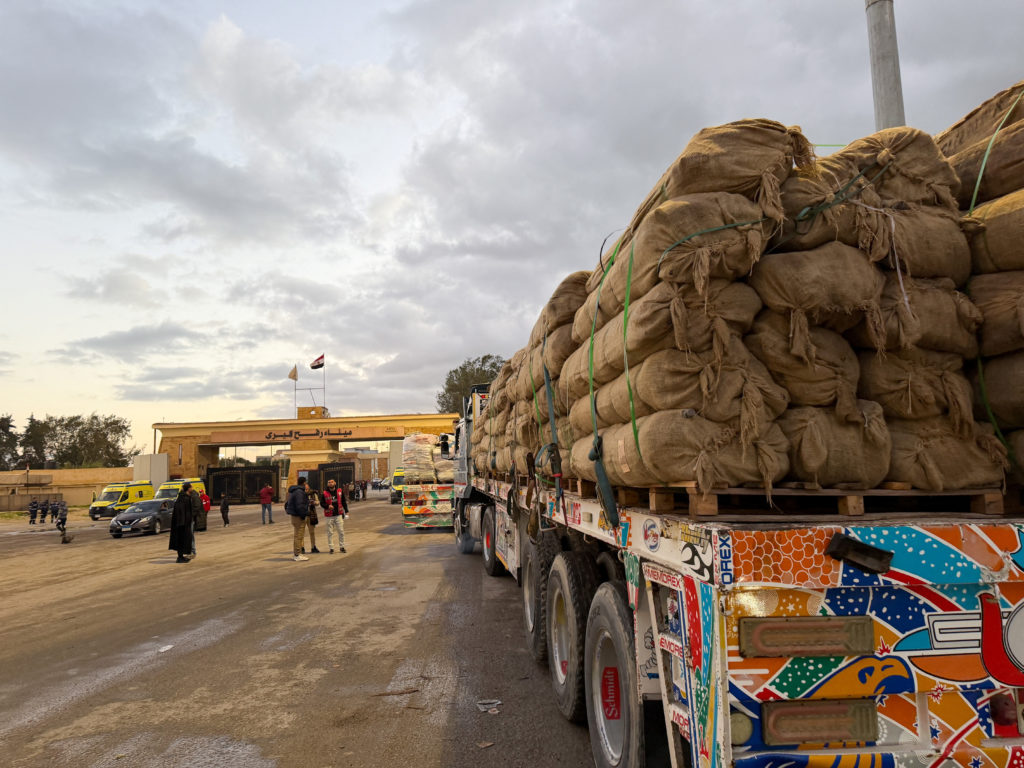
The Rafah Border Crossing stands as one of the most important, yet volatile, points of transit in the Middle East. Serving as the sole gateway between the Gaza Strip and Egypt, it is the primary route for goods, people, and essential services moving in and out of the Palestinian enclave. However, the crossing has been subject to political tensions, security concerns, and humanitarian crises, which have made its operation deeply complex and unpredictable. Understanding the Rafah Border Crossing’s significance requires a closer look at its history, strategic importance, and the impact it has on the lives of those who depend on it.
Historical Context of the Rafah Border Crossing
The Rafah Border Crossing, located in the southernmost part of the Gaza Strip, has held strategic importance since the mid-20th century. Following the 1967 Six-Day War, when Israel captured the Gaza Strip from Egypt, the Rafah border became the primary point of access for Palestinians to the outside world. However, under Israeli occupation, this crossing was tightly controlled, and its function as a transit point was severely restricted. The situation changed after the 2005 Israeli withdrawal from Gaza, when the Palestinian Authority, backed by Egypt, took over control of the crossing.
In 2007, after Hamas seized control of Gaza, Israel and Egypt further restricted access to the Rafah crossing, citing security concerns over Hamas’ activities. The Egyptian government, in cooperation with Israel, imposed frequent closures, thereby limiting the movement of people and goods. Consequently, this border crossing has become a point of contention between Egypt, Israel, and Palestinian factions, as well as a focal point for humanitarian issues.
Strategic Importance of the Rafah Border Crossing
Geopolitically, the Rafah Border Crossing holds significant strategic value. For Palestinians in Gaza, it offers a critical point of access to the outside world, especially for those seeking medical treatment, educational opportunities, and employment. With the ongoing blockade imposed by Israel and Egypt, the Rafah crossing provides the only direct land access to countries outside of Israel, particularly Egypt, which is a vital source of humanitarian aid, goods, and supplies.
For Egypt, the Rafah border represents both an opportunity and a challenge. On the one hand, Egypt has maintained its sovereignty and control over the crossing, but on the other, it faces pressure from international actors, including the United Nations, to facilitate the movement of goods and people, particularly in times of crisis. Egypt also faces security risks from militant groups operating in Sinai and Gaza, which complicates the management of the border.
The strategic importance of Rafah is further compounded by the regional dynamics of the Middle East. The Gaza Strip remains a flashpoint of conflict between Israel and Hamas, and the Rafah Border Crossing often finds itself at the heart of political negotiations. At times, the border has opened for humanitarian reasons, such as the movement of medical supplies, food aid, and essential goods. However, these openings are often temporary and highly controlled, making the crossing a symbol of the larger Israeli-Palestinian conflict.
The Humanitarian Impact of the Rafah Border Crossing
For the people of Gaza, the Rafah Border Crossing is not just a political and strategic point; it is a lifeline. Due to the blockade imposed by Israel and Egypt, the movement of goods and people is highly restricted, and the residents of Gaza are often left with limited access to basic necessities. The closure of Rafah creates shortages in vital resources such as food, medicine, and fuel, and exacerbates the already dire humanitarian situation in the region.
Every year, thousands of Palestinians who are ill or need medical treatment travel to Egypt through Rafah, as medical facilities in Gaza are often under-equipped to handle complex cases. The restriction of movement also severely impacts students seeking education abroad, as well as families trying to reunite. As a result, the Rafah Border Crossing has become a symbol of the wider struggles faced by the people of Gaza in their quest for freedom of movement, basic rights, and international recognition.
The Egyptian authorities have periodically opened the Rafah crossing to allow humanitarian convoys, such as the transportation of medical supplies, to enter Gaza. These openings, however, are often irregular and insufficient in terms of meeting the needs of Gaza’s population. The frequent closures have led to a dependency on smuggling tunnels, which are illegal and unsafe, further complicating the situation for residents who have few alternatives.
Political and Security Challenges Rafah border crossing
The Rafah Border Crossing is not just a humanitarian issue but also a politically charged one. The political complexity of the situation is rooted in the ongoing Israeli-Palestinian conflict and the tension between Egypt and Hamas. Israel’s concerns over Hamas using the border for arms smuggling have led to heightened security measures, including the construction of a barrier along the Egyptian side of Rafah. Meanwhile, Egypt’s own security concerns in Sinai have led to the militarization of the border area, further complicating the movement of goods and people.
Political factors also influence the decision to open or close the Rafah crossing. At times of heightened political tension or military escalations, the crossing is often closed indefinitely, creating significant challenges for the people in Gaza. Furthermore, the political division between the Palestinian Authority in the West Bank and Hamas in Gaza has also played a role in the management and control of the Rafah crossing, with both factions seeking to assert their control over the flow of people and goods.
Conclusion: A Vital Yet Fragile Link
The Rafah Border Crossing remains a critical yet fragile point of connection for the people of Gaza. While it offers the potential for greater access to the outside world, it is often caught in the crossfire of political and security considerations. The human toll of the frequent closures and the lack of regular, safe access is deeply felt by the people of Gaza, who rely on the crossing for everything from medical care to educational opportunities. The challenges of the Rafah Border Crossing are emblematic of the broader struggles faced by Palestinians in Gaza, who continue to seek a pathway toward peace, stability, and greater freedom of movement.
Leave a Reply