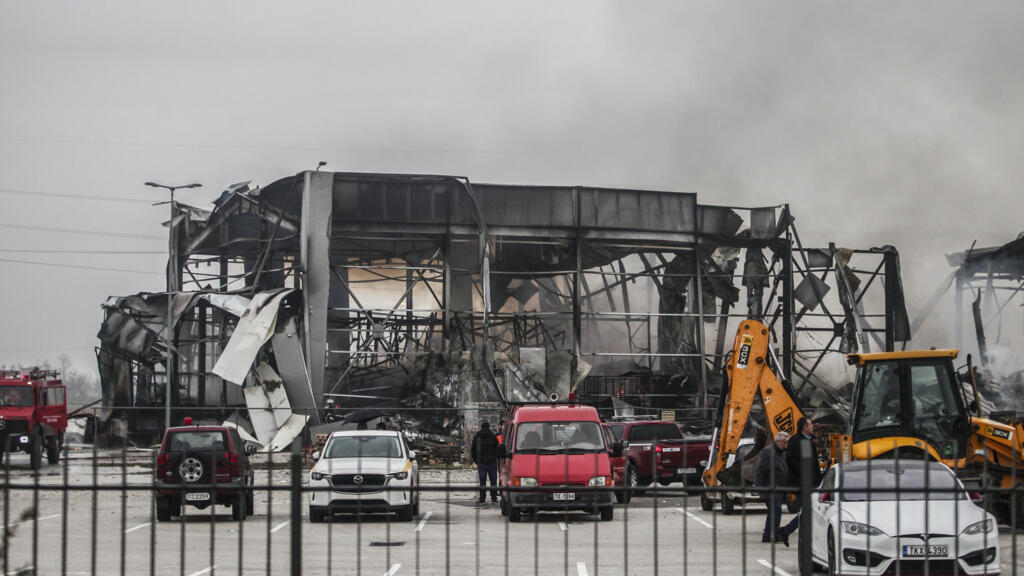
The Greece factory fire, which occurred on [insert date], is one of the most devastating industrial accidents to hit the country in recent years. The fire took place in a large manufacturing plant in [insert location], causing significant damage to the factory structure and, tragically, leading to the loss of several lives. This event has not only devastated the workers and their families but also raised serious concerns about safety standards, emergency preparedness, and the long-term economic consequences for the region. In this article, we will explore the causes of the fire, its immediate impact, the aftermath, and the steps that need to be taken to prevent such disasters in the future.
The Factory: A Hub of Production
The factory involved in this fire was a key player in the manufacturing industry of Greece, contributing to both the local economy and national exports. The plant specialized in [insert industry type, e.g., textiles, chemicals, or electronics], employing hundreds of workers in various roles. For years, the facility had been an essential part of the region’s economic fabric, providing jobs and contributing to local business activity.
The factory was a sprawling complex with multiple production lines, storage areas, and machinery. Despite its size and scale, the plant had been operating under increasing pressure to meet high production demands. This, combined with the inherent risks in the industry, made it vulnerable to accidents, especially when safety protocols were not strictly enforced.
The Cause of the Fire
The exact cause of the fire is still under investigation, but early reports suggest that a combination of faulty machinery, lack of proper maintenance, and potentially hazardous working conditions played a role. Experts have noted that the plant’s infrastructure may have been outdated, with fire prevention systems either poorly maintained or insufficient for the size of the operation. Some have pointed to the possibility of human error, with workers potentially exposed to dangerous chemicals or machinery that were not adequately safeguarded.
Fire safety protocols, including the proper use of fire extinguishers, sprinkler systems, and clear evacuation routes, are vital to preventing such catastrophes. However, reports from survivors and investigators suggest that these systems may not have been fully operational or that the workers did not have the necessary training to handle an emergency of this magnitude. The delay in response time, coupled with the scale of the fire, allowed the flames to spread rapidly, consuming large portions of the factory and trapping many workers inside.
The Human Cost
The human toll of the Greece factory fire is staggering. At least [insert number] workers lost their lives in the blaze, with dozens more injured, some critically. The fire has left a deep scar on the families of the victims, many of whom are now left to cope with the tragic loss of their loved ones. In addition to the fatalities, the incident has caused significant psychological and emotional trauma for those who witnessed the fire or survived it.
Emergency response teams, including firefighters and medical personnel, worked tirelessly to rescue those trapped inside the factory and to contain the fire. However, the scale of the disaster overwhelmed the resources available, leading to delayed evacuations and additional casualties. Many workers are still receiving medical treatment for burns, smoke inhalation, and other injuries.
Economic Fallout
The economic impact of the Greece factory fire extends far beyond the immediate loss of life and property damage. The factory, a significant employer in the region, provided jobs to hundreds of individuals. Its closure, even temporarily, has left many workers unemployed and struggling to find new opportunities. This has further strained the local economy, as small businesses that depended on the factory’s operation are also facing hardship.
In addition to the financial losses suffered by the workers and their families, the fire has caused a disruption in production and exports. The factory’s clients, both domestic and international, will now experience delays in receiving their orders, potentially damaging the company’s reputation and future business prospects. The cost of rebuilding the factory and restoring its operations will also place a financial burden on the company and its stakeholders.
A Call for Change: Improving Workplace Safety Greece factory fire
The Greece factory fire serves as a tragic reminder of the importance of workplace safety, especially in industries that deal with hazardous materials or operate large-scale machinery. The government and industry leaders must take immediate steps to improve safety standards across the country’s factories. This includes stricter enforcement of safety regulations, regular maintenance and inspection of fire prevention systems, and ensuring that workers receive proper safety training.
The tragedy has sparked calls for greater transparency in how factories are regulated and how workplace safety is monitored. It is crucial that all industrial facilities adopt best practices in safety management to prevent future disasters. Additionally, there needs to be a renewed focus on mental health and trauma recovery for workers who survive these incidents, as the psychological impact can last for years.
Conclusion
The Greece factory fire is a heartbreaking tragedy that has claimed lives, devastated families, and left a lasting impact on the local economy. As the investigation continues and the community begins to heal, it is clear that steps must be taken to prevent such disasters from occurring in the future. A renewed commitment to workplace safety, better training for workers, and improved emergency response measures are essential to ensuring that this tragedy is not repeated. The workers who lost their lives in this fire deserve justice, and the survivors must be given the support they need to
Leave a Reply