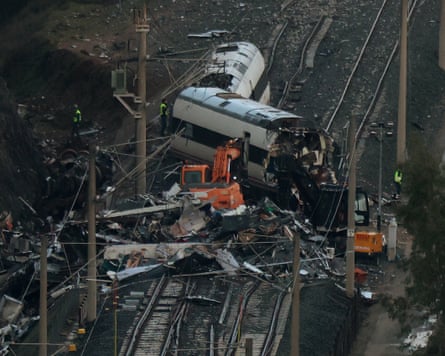
On the morning of July 24, 2023, Spain witnessed one of its most tragic and devastating train accidents in recent years. A high-speed train, traveling from Madrid to Barcelona, derailed just outside the small town of Zaragoza. The crash claimed the lives of 17 people and injured more than 100, many of them critically. The crash was one of the deadliest in Spain’s history, sparking an outpouring of grief across the country and raising questions about the safety of the nation’s modern rail network. This article will explore the incident, its causes, the immediate aftermath, and the ongoing investigations into the crash.
The Events Leading to the Tragedy
The train involved in the accident was a Renfe AVE (Alta Velocidad Española) service, known for its high-speed, punctual travel between major Spanish cities. At the time of the crash, the train was reportedly traveling at approximately 300 km/h, a speed typical for AVE services. Witnesses recall hearing a loud, metallic sound before the train began to shake violently. As the train approached a bend in the track near Zaragoza, several carriages derailed, with some overturning and catching fire. Passengers who survived the initial shock described chaotic scenes, with injured and unconscious people scattered throughout the train, many unable to escape due to the severity of the crash.
The first responders were quick to arrive at the scene, including police, paramedics, and firefighters, who worked tirelessly to extricate passengers from the wreckage. Despite their swift efforts, the scale of the destruction meant that many passengers were trapped, making the rescue operation particularly challenging.
Investigation into the Cause of the Crash
As with any major rail disaster, an investigation was launched immediately to determine the root cause of the crash. Initial reports suggested that a combination of human error and technical failure may have been factors in the incident. According to the Spanish Ministry of Transport, the train was supposed to reduce its speed as it approached the curve, but preliminary findings indicated that the automatic braking system failed to activate, which could have prevented the train from derailing. Spain train crash
Furthermore, there have been suggestions that the track’s design and maintenance were also contributing factors. In the weeks following the accident, authorities found evidence that the track near the crash site had not been sufficiently inspected in recent years, raising concerns about the safety standards in place for high-speed rail networks in Spain.
In addition, the Spanish government commissioned an independent inquiry into the incident, with a team of experts tasked with analyzing the data from the train’s black box and inspecting the wreckage for any signs of foul play. Investigators have also been looking into whether the train’s operators had adhered to safety protocols, and whether any lapses in training or fatigue among the crew may have contributed to the tragedy.
The Aftermath and Impact on Spain
The crash had a profound impact on Spain, a nation that prides itself on its modern and efficient transportation systems. The loss of life was felt deeply, not only by the families of the victims but also by the entire country. The Spanish Prime Minister, Pedro Sánchez, declared three days of national mourning in honor of the victims. Memorials and vigils were held across the country, with people from all walks of life paying tribute to the lives lost in the tragedy.
Beyond the emotional toll, the incident raised serious questions about the safety of Spain’s high-speed rail system, which is one of the most extensive in Europe. Critics of the government have called for a complete overhaul of the inspection and maintenance procedures for rail infrastructure. Public opinion has shifted, with many demanding that more resources be allocated to ensuring the safety of high-speed rail travel, especially as more people turn to trains for intercity travel.
What’s Next: The Road to Accountability and Reform
The crash has led to calls for both accountability and reform in Spain’s rail industry. While the investigation is still ongoing, there are increasing pressures on the Spanish government and Renfe, the national railway operator, to implement stricter safety measures. One of the key recommendations that have emerged is the installation of more advanced safety systems, including automatic train control (ATC) systems that can prevent accidents like this one from happening again.
Additionally, there has been a push for greater transparency in the investigation process, with citizens demanding detailed reports on the status of the rail infrastructure and whether there were any lapses in safety regulations. In the coming months, as the investigation unfolds, the public will be watching closely for any signs of negligence or systemic failures that may have contributed to the accident.
Conclusion: A Wake-Up Call for Rail Safety
The Spain train crash of 2023 serves as a stark reminder of the risks inherent in high-speed rail travel. While Spain’s rail network has been a model of efficiency for years, this incident highlights the need for constant vigilance and improvement in safety protocols. As the country mourns the victims and works toward accountability, the tragic event will likely lead to reforms that will shape the future of rail travel in Spain. Whether these changes will be enough to prevent future tragedies remains to be seen, but the hope is that lessons will be learned from this devastating accident, making the rails safer for all who travel on them.
Leave a Reply