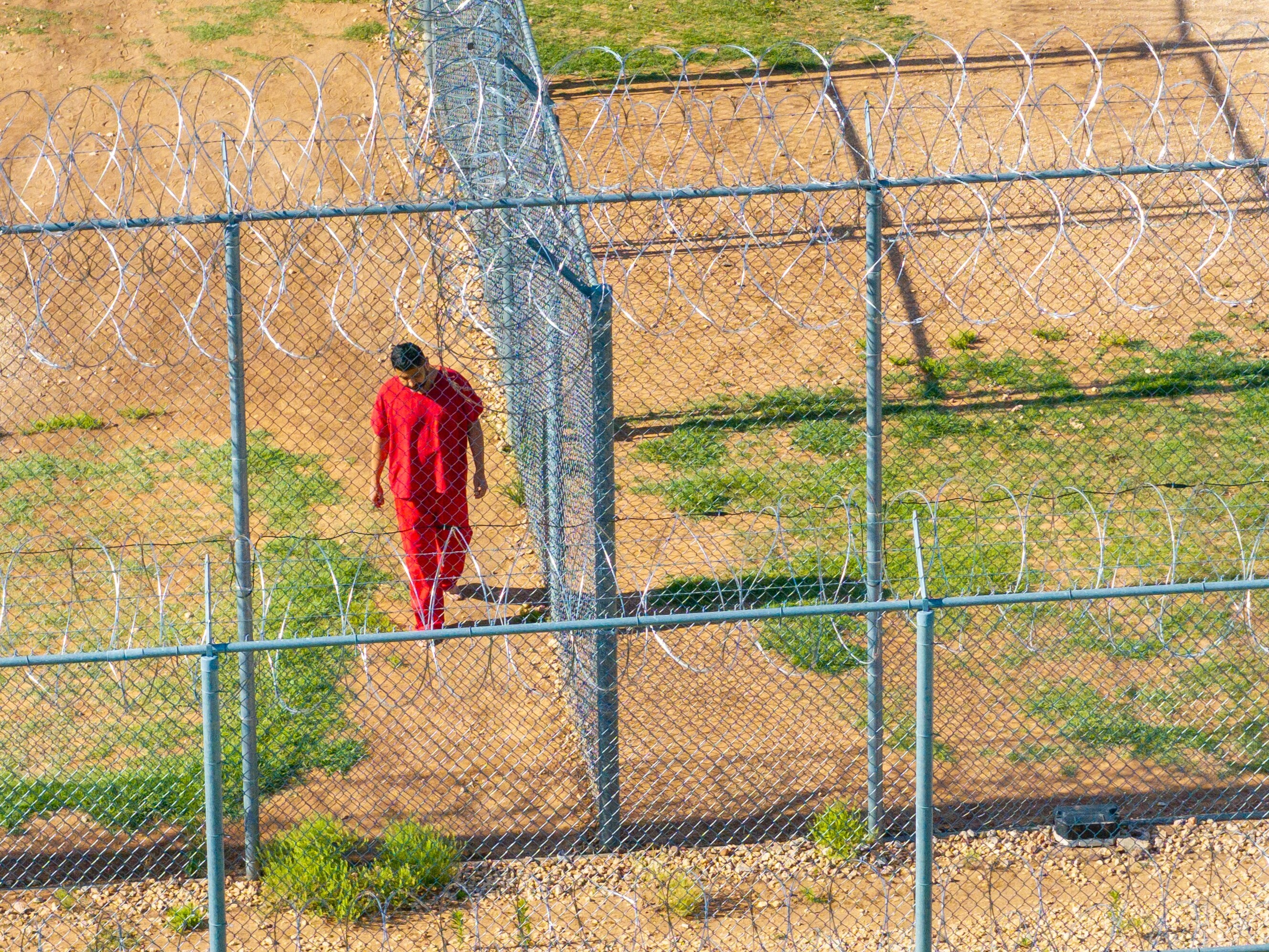
The United States has long had a complex immigration system, with many controversial aspects that have sparked debates across the country. Among the most contentious topics is the role of ICE detention centers. These facilities are run by U.S. Immigration and Customs Enforcement (ICE) and are designed to house individuals who are in the U.S. illegally while they await deportation or legal proceedings. While these centers are often viewed as necessary for upholding immigration law, they have faced heavy criticism for a range of human rights concerns, poor living conditions, and controversial practices. This article will explore the purpose, operations, and controversies surrounding ICE detention centers.
What are ICE Detention Centers?
ICE detention centers are facilities operated by ICE or private contractors that detain individuals who are either facing removal from the United States or awaiting legal action. People detained in these centers often come from various backgrounds, including undocumented immigrants, asylum seekers, and individuals whose immigration status is in question. The U.S. government claims that these centers are necessary to manage individuals who are in the country without authorization and to ensure that they attend their immigration hearings or are deported when their legal proceedings are complete. In theory, ICE detention centers serve as temporary holding facilities, but for many detainees, the duration of their stay can extend for weeks, months, or even years.
The Operations of ICE Detention Centers
ICE detention centers are spread across the country, with facilities in almost every state. These centers are primarily intended for people who are not in U.S. legal status, and they hold both adults and minors. While the majority of detainees are held in facilities operated by private corporations, some are managed directly by ICE or local law enforcement agencies. Detainees are usually separated into different categories based on their immigration status, criminal history, or other factors, although many critics argue that such classifications are not always clear or just.
The conditions inside these facilities can vary greatly depending on the location, but many reports from human rights organizations and former detainees point to overcrowding, inadequate healthcare, limited access to legal representation, and harsh treatment by staff. In response to these concerns, ICE has implemented a number of reforms over the years, but they remain controversial, and many argue that the core issues with the detention system have yet to be addressed.
Controversies and Criticism of ICE Detention Centers
ICE detention centers have faced significant scrutiny in recent years. One of the most significant criticisms is the poor living conditions that detainees endure. Reports of overcrowding, unsanitary conditions, inadequate food, and lack of medical care have emerged from multiple detention facilities. In some cases, detainees have reported abuse by staff members or even violence from other individuals being held at the facility. The U.S. Department of Homeland Security (DHS) has launched investigations into allegations of mistreatment, but many activists argue that these investigations often lack transparency and fail to hold perpetrators accountable.
Another criticism of ICE detention centers is the separation of families. In certain cases, children have been taken away from their parents during the detention process, a practice that has been widely condemned by human rights organizations. The separation of families, particularly under the Trump administration’s “zero-tolerance” immigration policy, led to widespread protests and calls for reform. While the Biden administration has taken steps to address some of these concerns, including ending family separations, advocates continue to call for a complete overhaul of the immigration detention system.
The Legal and Political Debate Over ICE Detention Centers
The debate over ICE detention centers is inherently tied to the broader issue of immigration policy in the United States. Supporters of stricter immigration enforcement argue that these centers are necessary for upholding the law and ensuring that individuals who are not authorized to be in the U.S. are removed. They contend that these centers help manage the growing number of individuals crossing the border illegally and that the facilities are essential for national security and public safety.
On the other hand, opponents of ICE detention centers believe that the system is flawed and inhumane. They argue that the conditions inside the centers violate the basic human rights of detainees and that the prolonged detention of individuals, especially children, is a form of punishment without trial. Furthermore, many critics contend that the private companies that run some of these facilities profit from the detention of immigrants, creating a system that is more focused on profit than the well-being of detainees.
Reform Efforts and the Future of ICE Detention CentersICE detention center
In recent years, calls for reform of ICE detention centers have gained momentum. Advocates have called for alternatives to detention, such as electronic monitoring or community-based programs, to reduce the number of people held in detention centers. There has also been a push to close privately run detention facilities, citing concerns over profit motives and poor oversight. Some states and localities have enacted laws that limit cooperation with ICE, including laws that prevent local law enforcement from holding individuals for ICE to pick them up.
While these reforms have had some success, the future of ICE detention centers remains uncertain. The Biden administration has taken steps to reduce the number of people detained and has emphasized the importance of humane treatment of detainees. However, the debate over immigration policy is far from settled, and the role of detention centers in the broader immigration system remains a key point of contention.
Conclusion
ICE detention centers play a central role in the U.S. immigration system, serving as holding facilities for individuals facing deportation or awaiting legal proceedings. However, these centers have come under heavy scrutiny due to concerns about poor living conditions, human rights violations, and family separations. While supporters argue that the centers are necessary for immigration enforcement, critics contend that the detention system is inhumane and that reforms are urgently needed. As the debate continues, it is clear that the future of ICE detention centers will remain a central issue in the ongoing discussion of U.S. immigration policy.
Leave a Reply