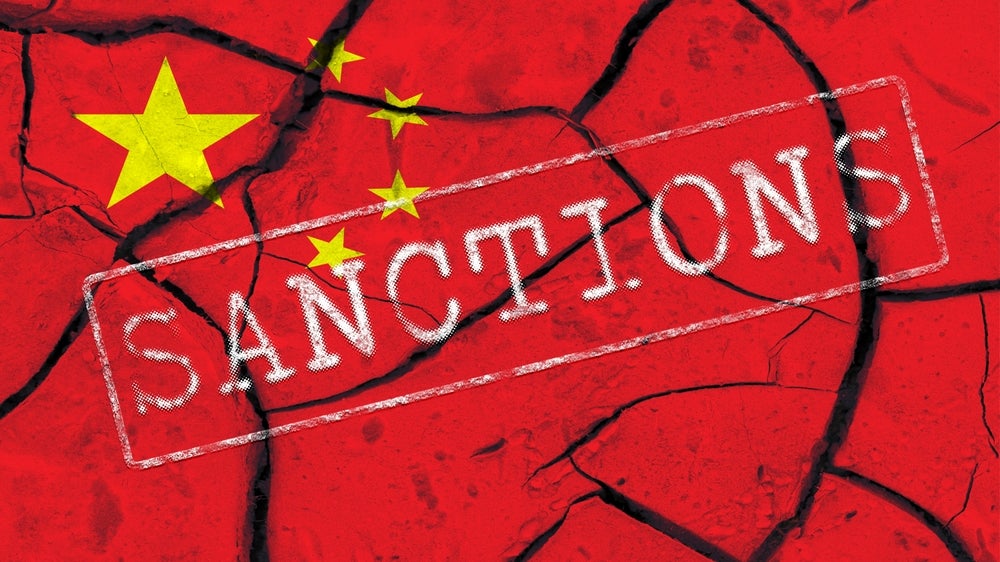
China sanctions refer to restrictive measures imposed either on China by other countries or by China against foreign nations, companies, or individuals. Over the past two decades, sanctions involving China have become more frequent as the country’s economic and political influence has expanded worldwide. These sanctions are often rooted in complex issues such as trade disputes, national security concerns, technology competition, human rights allegations, and geopolitical rivalries. Unlike traditional sanctions aimed at isolating weaker economies, sanctions involving China carry global significance because China is deeply integrated into international supply chains, manufacturing networks, and financial systems. As a result, even limited sanctions can have ripple effects far beyond the countries directly involved.
Key Reasons Behind Sanctions on China China sanctions
One of the primary drivers of sanctions on China has been trade and economic competition, particularly with Western economies. Accusations of unfair trade practices, state subsidies, intellectual property theft, and market access restrictions have led countries like the United States and its allies to impose tariffs, export controls, and investment restrictions. Another major reason involves national security, especially in sectors such as telecommunications, semiconductors, artificial intelligence, and defense-related technologies. Governments fear that Chinese firms operating in these areas could pose security risks, prompting sanctions and blacklisting of certain companies. Additionally, human rights concerns, including allegations related to labor practices and treatment of minority groups, have increasingly become a basis for sanctions, reflecting a shift toward values-based foreign policy decisions.
China’s Response and Counter-Sanctions
China has not remained passive in the face of sanctions. Instead, it has developed a strategy of counter-sanctions and domestic resilience. Beijing often responds by imposing its own restrictions on foreign officials, companies, or products, signaling that it is willing to retaliate when its interests are challenged. At the same time, China has accelerated efforts to reduce dependence on foreign technology and markets by promoting domestic innovation and self-sufficiency. Policies supporting local semiconductor production, alternative financial systems, and stronger regional trade partnerships are part of this broader response. These measures are designed not only to cushion the immediate impact of sanctions but also to strengthen China’s long-term economic security.
Impact on the Global Economy
Sanctions involving China have significant implications for the global economy. Because China is a major trading partner for many countries, restrictions on its exports or imports can disrupt supply chains, raise production costs, and contribute to inflation worldwide. Industries such as electronics, automotive manufacturing, renewable energy, and consumer goods are particularly affected due to their reliance on Chinese components or raw materials. Furthermore, sanctions can create uncertainty in global markets, discouraging investment and slowing economic growth. Multinational companies often find themselves caught between competing regulatory systems, forced to choose compliance with one set of rules at the expense of access to another major market.
Long-Term Geopolitical Consequences
Beyond economics, China sanctions are reshaping the global geopolitical landscape. They contribute to the gradual division of the world into competing economic and technological blocs, sometimes described as “decoupling.” Countries may feel pressure to align with either China or its strategic rivals, reducing space for neutrality. This fragmentation can weaken international cooperation on global challenges such as climate change, public health, and financial stability. At the same time, sanctions can strengthen nationalist sentiments within China, reinforcing domestic support for policies aimed at resisting external pressure.
Future Outlook of China Sanctions
Looking ahead, China sanctions are likely to remain a prominent feature of international relations. While full economic isolation of China is unrealistic due to its global importance, targeted and strategic sanctions will probably continue, especially in sensitive industries. The effectiveness of these measures will depend on international coordinati
Leave a Reply