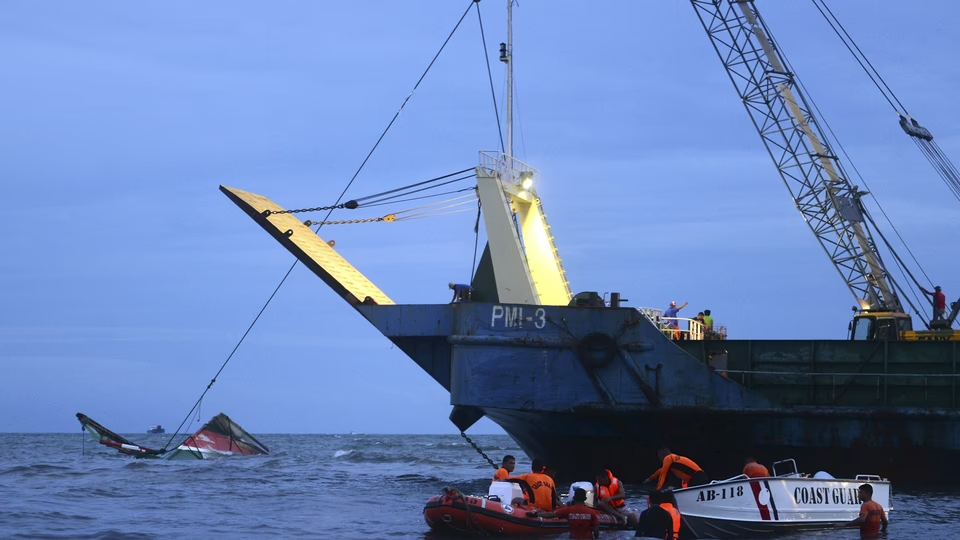
The Philippines has once again been shaken by a devastating maritime accident. A ferry capsized off the coast of the central Philippines, leading to a heartbreaking loss of lives. The incident, which occurred under dark and stormy conditions, has sparked a national outcry and renewed discussions on the safety of maritime travel in the region. With ferries being a crucial mode of transport in the Philippines, especially for island-hopping and inter-island travel, this disaster highlights both the risks and challenges of ferry operations in the country.
The Incident
On the fateful day of the accident, the ferry was carrying a mix of passengers, crew members, and cargo. The vessel was en route from the city of Iloilo to the island of Guimaras, a popular destination for both tourists and locals. According to early reports from the Philippine Coast Guard, the ferry encountered rough seas and strong winds just hours after departing. The situation quickly deteriorated, and the vessel began to list before capsizing completely.
Survivors recounted the chaotic scene as waves pummeled the ferry, which struggled to maintain its balance in the fierce storm. Many of the passengers were reportedly caught off guard by the suddenness of the event. Some managed to swim to nearby islands, while others were rescued by passing boats or helicopters. Tragically, many others were trapped inside the capsized ferry or drowned in the waters.
Casualties and Rescue Operations
As of the latest reports, the death toll from the ferry disaster has climbed to a significant number, with many passengers still unaccounted for. Rescue operations have been underway since the accident occurred, involving multiple government agencies, the Philippine Coast Guard, and local fishermen. The search-and-rescue teams have managed to recover several bodies, but the hope of finding more survivors is slowly diminishing with each passing hour.
The tragedy has sparked an emotional response from the public, with many taking to social media to express their condolences and anger over the preventable nature of the disaster. Families of the missing have been waiting anxiously for updates, while the nation grieves for those who lost their lives in the disaster.
Contributing Factors to the Capsizing
Several factors are believed to have contributed to the capsizing of the ferry. First, weather conditions were particularly severe at the time, with heavy rains and high winds impacting the vessel’s ability to navigate safely. However, there are concerns about whether the ferry was adequately equipped to handle such conditions. Critics have raised questions about the age of the vessel, its maintenance records, and whether it should have been allowed to operate under such adverse weather conditions.
Another factor contributing to the incident is the overloading of ferries. It is common for ferries in the Philippines to operate at or beyond their capacity, putting them at greater risk of instability, especially during rough seas. Safety regulations surrounding these vessels are often criticized for being poorly enforced, with many operators cutting corners to maximize profits. Overcrowding and lack of sufficient safety measures, such as life jackets and lifeboats, have been implicated in previous ferry accidents in the country.
The State of Ferry Safety in the Philippines
The Philippines has a long history of ferry accidents, and many of them have resulted in significant loss of life. Despite efforts by the government to improve safety standards, including stricter regulations and inspections, these incidents continue to occur. The challenges of ensuring safe ferry operations are compounded by the country’s archipelagic geography, where islands are interconnected by busy sea routes that are often poorly regulated. Philippines ferry capsizes
The country has a mixed record when it comes to maritime safety. On one hand, the Philippine Coast Guard has made strides in improving the response to emergencies and enforcing safety standards. On the other hand, corruption and a lack of resources have hampered efforts to effectively regulate the maritime industry. Ferries are often old and poorly maintained, and operators may prioritize speed and profit over passenger safety.
Conclusion and Call for Reform
The capsizing of the ferry in the Philippines is a stark reminder of the dangers that still lurk in the country’s maritime industry. While the families of the victims cope with their grief, the nation is left grappling with questions about the state of ferry safety in the Philippines. This tragedy should serve as a catalyst for change, prompting both the government and ferry operators to take more rigorous measures to ensure the safety of passengers. This includes improving vessel maintenance, strictly enforcing capacity limits, and ensuring that safety regulations are followed at all costs. Only then can the people of the Philippines feel confident about traveling the seas without fearing for their lives./
Leave a Reply