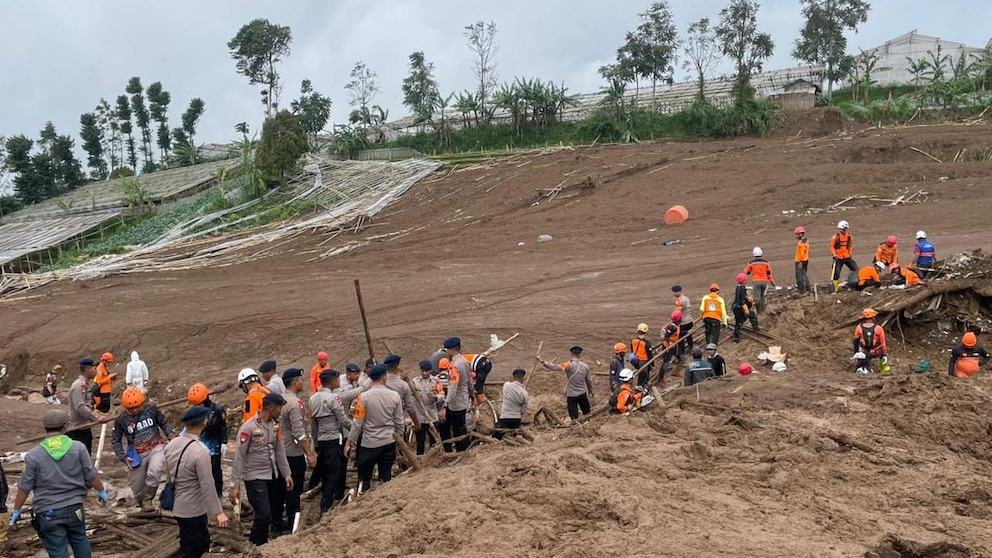
West Java, one of Indonesia’s most densely populated provinces, has long been vulnerable to natural disasters due to its complex geography and climate. Among these hazards, landslides are particularly destructive, often striking suddenly and leaving severe consequences for communities living in mountainous and hilly regions. The West Java landslide incidents that have occurred in recent years highlight how environmental conditions, human activities, and extreme weather can combine to create devastating outcomes. Understanding these landslides is essential not only to grasp what happened, but also to reduce risks in the future.
Geographical and Environmental Background
West Java is characterized by steep slopes, volcanic soil, and high annual rainfall, all of which contribute to landslide susceptibility. The soil in many areas is fertile but loose, making it unstable when saturated with water. During the rainy season, prolonged or intense rainfall penetrates the soil layers, increasing their weight and reducing cohesion. As a result, hillsides can collapse with little warning. Rivers running through valleys can further erode slopes from below, weakening their structure over time. These natural factors mean that landslides in West Java are not isolated events, but recurring threats linked closely to the region’s physical environment.
Human Activities and Their Role
While natural conditions play a major role, human activities significantly increase landslide risk in West Java. Rapid population growth has pushed settlements onto steep hillsides that were once covered by forests. Deforestation for agriculture, housing, and infrastructure removes tree roots that help bind the soil together. In some areas, improper land-use planning has allowed construction without adequate drainage systems, causing rainwater to accumulate in vulnerable zones. Road cutting along slopes, often done without proper reinforcement, also destabilizes terrain. These human-induced changes reduce the land’s natural ability to absorb heavy rainfall safely, making landslides more likely and more severe.
Impact on Communities and Infrastructure
The impact of a West Java landslide is often immediate and tragic. Homes can be buried or swept away, leading to loss of life and displacement of families. Roads, bridges, and power lines are frequently damaged, isolating villages and delaying rescue efforts. Agricultural land, which many residents depend on for their livelihoods, can be destroyed, causing long-term economic hardship. Beyond physical damage, landslides also leave psychological scars, as survivors cope with trauma and uncertainty about future safety. Recovery can take months or even years, especially in rural areas with limited resources.
Emergency Response and Government Action West Java landslide
When landslides occur in West Java, emergency response teams, including local authorities, national disaster agencies, and volunteers, work to rescue survivors and provide aid. Evacuation centers are set up to shelter displaced residents, and heavy equipment is used to clear debris where possible. The government has also invested in early warning systems, hazard mapping, and community education programs. These efforts aim to identify high-risk areas and alert residents before conditions become critical. However, challenges remain, particularly in reaching remote communities and ensuring warnings are understood and acted upon promptly.
Prevention, Mitigation, and Future Preparedness
Reducing landslide risk in West Java requires a combination of environmental management, responsible development, and community awareness. Reforestation and slope stabilization projects can help restore natural defenses against soil movement. Stronger land-use regulations are needed to prevent construction in high-risk zones, while existing settlements may require improved drainage and retaining structures. Educating local communities about warning signs, such as cracks in the ground or leaning trees, can save lives by encouraging early evacuation. As climate change increases the intensity of rainfall, long-term planning and investment in disaster risk reduction will be crucial to protecting lives and sustaining development in West Java.
Conclusion
The West Java landslide serves as a powerful reminder of how closely human life is tied to the natural environment. While landslides cannot be completely prevented, their impact can be significantly reduced through informed planning, environmental care, and community preparedness. By learning from past events and taking proactive measures, West Java can move toward a safer and more resilient future.
Leave a Reply