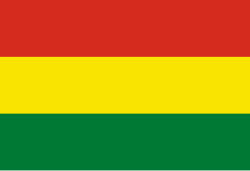
Bolivia, a landlocked country in the heart of South America, is renowned for its extraordinary geographical diversity. Nestled between Brazil, Paraguay, Argentina, Chile, and Peru, Bolivia encompasses a variety of landscapes that range from the snow-capped peaks of the Andes Mountains to the vast plains of the Amazon Basin. The country is divided into three major regions: the Altiplano, a high plateau surrounded by mountains; the valleys, which are fertile and suitable for agriculture; and the lowlands, including tropical rainforests and savannas. This geographical variety contributes to a wide range of climates, from frigid temperatures in the high mountains to warm, humid conditions in the lowlands. Such climatic diversity supports a remarkable array of ecosystems, making Bolivia one of the most ecologically rich countries in the world.
History and Cultural Heritage
Bolivia’s history is a tapestry of indigenous civilizations, colonial influences, and modern political developments. Long before Spanish colonization, the region was home to advanced cultures, including the Tiwanaku civilization, which flourished near Lake Titicaca around 500 to 1000 AD. The Inca Empire also extended into Bolivia, leaving behind architectural and cultural legacies that are still evident today. Spanish colonization in the 16th century introduced European culture, religion, and governance, but indigenous traditions remained resilient. Bolivia achieved independence in 1825, and its cultural heritage today reflects a unique blend of indigenous and European influences. Traditional music, dance, and festivals, such as the Oruro Carnival, showcase Bolivia’s vibrant cultural identity. The country’s indigenous population, which constitutes a significant portion of its citizens, continues to play a vital role in maintaining languages, customs, and crafts that are centuries old.
Economy and Natural Resources Bolivia
Bolivia’s economy is diverse, relying on a combination of agriculture, mining, and energy resources. The country is rich in minerals, particularly silver, tin, and lithium, the latter of which has gained global attention due to its essential role in modern technology and electric vehicles. Agriculture remains vital, with crops such as quinoa, potatoes, and soybeans being significant both for domestic consumption and export. Additionally, Bolivia has extensive natural gas reserves, making it a key energy player in the region. Despite its wealth of resources, Bolivia faces economic challenges, including poverty and uneven development between urban and rural areas. Efforts to diversify the economy and invest in infrastructure have been ongoing, reflecting the country’s determination to achieve sustainable growth.
Tourism and Natural Wonders
Bolivia is a haven for travelers seeking extraordinary natural and cultural experiences. The Salar de Uyuni, the world’s largest salt flat, attracts tourists with its surreal landscapes and mirror-like reflections during the rainy season. Lake Titicaca, shared with Peru, is the highest navigable lake in the world and holds profound historical and spiritual significance. The country’s national parks, such as Madidi and Noel Kempff Mercado, protect vast areas of biodiversity, offering opportunities for wildlife observation and eco-tourism. Urban centers like La Paz, the world’s highest capital, and Sucre, with its colonial architecture, provide a glimpse into Bolivia’s vibrant city life and historical richness. Adventure tourism, including trekking, mountain climbing, and exploring remote indigenous villages, has become increasingly popular, highlighting Bolivia’s ability to combine natural beauty with cultural heritage.
Social and Political Landscape
Bolivia has a unique political and social structure shaped by its indigenous heritage and modern governance. The country recognizes multiple official languages, including Spanish and several indigenous languages, reflecting its commitment to cultural diversity. Political life in Bolivia has experienced significant transformations, with movements advocating for indigenous rights, social equality, and environmental protection gaining prominence. While the country has faced political instability and social unrest at times, it continues to demonstrate resilience and a strong sense of national identity. The government’s focus on social programs and community participation aims to address historical inequalities and promote inclusive development.
In conclusion, Bolivia stands as a nation of contrasts and richness, offering breathtaking landscapes, deep cultural traditions, and abundant natural resources. Its combination of geographical diversity, historical depth, and cultural vibrancy makes it a unique destination and a fascinating subject of study. From the towering Andes to the expansive Amazon lowlands, Bolivia’s landscapes mirror the diversity of its people, history, and aspirations, making it a country that continues to captivate the world’s attention.
Leave a Reply