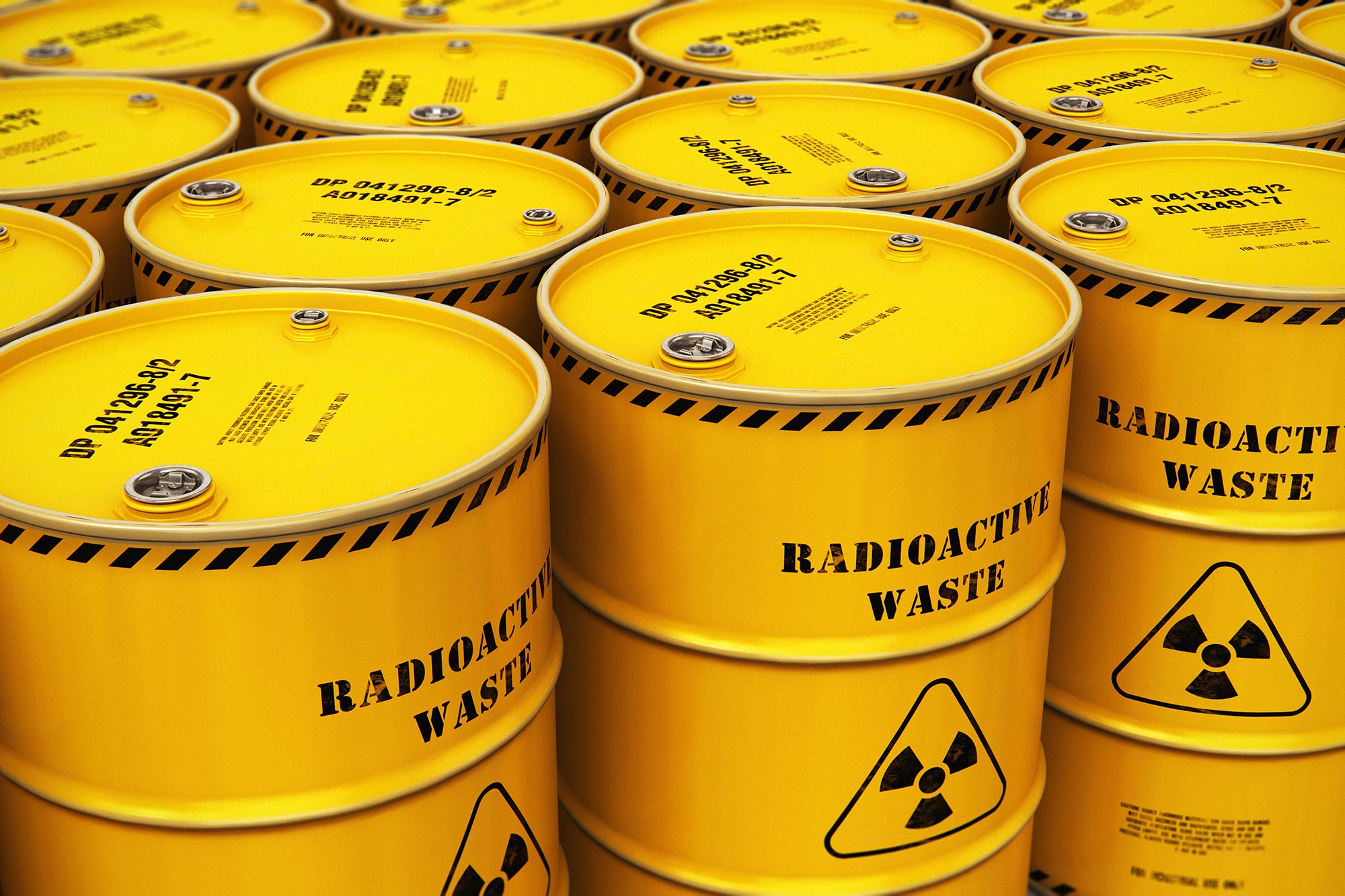
Nuclear waste is the radioactive byproduct generated from nuclear power plants, medical applications, industrial processes, and scientific research. The most well-known source is nuclear energy production, where uranium fuel undergoes fission to produce electricity. After the fuel has been used, it becomes “spent fuel,” which remains highly radioactive and dangerous for thousands of years. Nuclear waste is generally classified into low-level, intermediate-level, and high-level waste, depending on how radioactive it is and how long it remains hazardous. High-level waste, which includes spent nuclear fuel, poses the greatest challenge because it emits intense radiation and heat, requiring strict isolation from humans and the environment.
Why Nuclear Waste Is a Serious Concern
The primary concern surrounding nuclear waste is its long-term impact on human health and the environment. Exposure to high levels of radiation can cause severe illnesses, including cancer and genetic damage. Unlike most industrial waste, nuclear waste does not simply break down into harmless substances over time. Some radioactive isotopes remain dangerous for tens of thousands of years, far exceeding the lifespan of human institutions and infrastructure. This creates a unique ethical and practical problem: current generations benefit from nuclear energy, but future generations inherit the responsibility of managing its waste safely.
Current Methods of Nuclear Waste Managementnuclear waste
At present, most countries store high-level nuclear waste in secure facilities, often at or near nuclear power plants. Spent fuel is initially kept in cooling pools filled with water, which helps reduce heat and radiation. After several years, it may be transferred to dry cask storage, where it is sealed in steel and concrete containers designed to withstand extreme conditions. While these methods are considered safe in the short to medium term, they are not permanent solutions. Scientists and policymakers widely agree that deep geological repositories—facilities built deep underground in stable rock formations—offer the most reliable long-term storage option, although very few such sites are fully operational due to political, technical, and social challenges.
Environmental and Social Impacts
The environmental risks of nuclear waste arise mainly from potential leaks or accidents during storage and transportation. If radioactive material were to escape into soil or water systems, it could contaminate ecosystems and food supplies for generations. Beyond environmental concerns, nuclear waste also raises strong social and political opposition. Communities often resist hosting waste storage facilities due to fears about safety, property values, and long-term stigma. This public resistance has slowed progress on permanent disposal solutions, even in countries with advanced nuclear technology.
Advances in Technology and Future Possibilities
Researchers are actively exploring new technologies to reduce the volume and toxicity of nuclear waste. One promising approach is nuclear reprocessing, which extracts usable materials from spent fuel so they can be reused in reactors. Another area of research involves advanced reactors that produce less waste or can consume existing waste as fuel. Although these innovations could significantly improve nuclear waste management, they are expensive and not yet widely implemented. As a result, nuclear waste remains an unresolved issue that requires continued investment, international cooperation, and public trust.
Conclusion: A Long-Term Responsibility
Nuclear waste is an unavoidable consequence of nuclear technology, offering both benefits and burdens. While nuclear power provides a low-carbon energy source that helps combat climate change, its waste demands careful, long-term stewardship. Successfully managing nuclear waste is not just a technical challenge but a moral one, requiring societies to think far beyond immediate needs and political cycles. With responsible policies, transparent decision-making, and ongoing scientific progress, it is possible to manage nuclear waste safely, but it will always require vigilance, commitment, and respect for future generations.
Leave a Reply