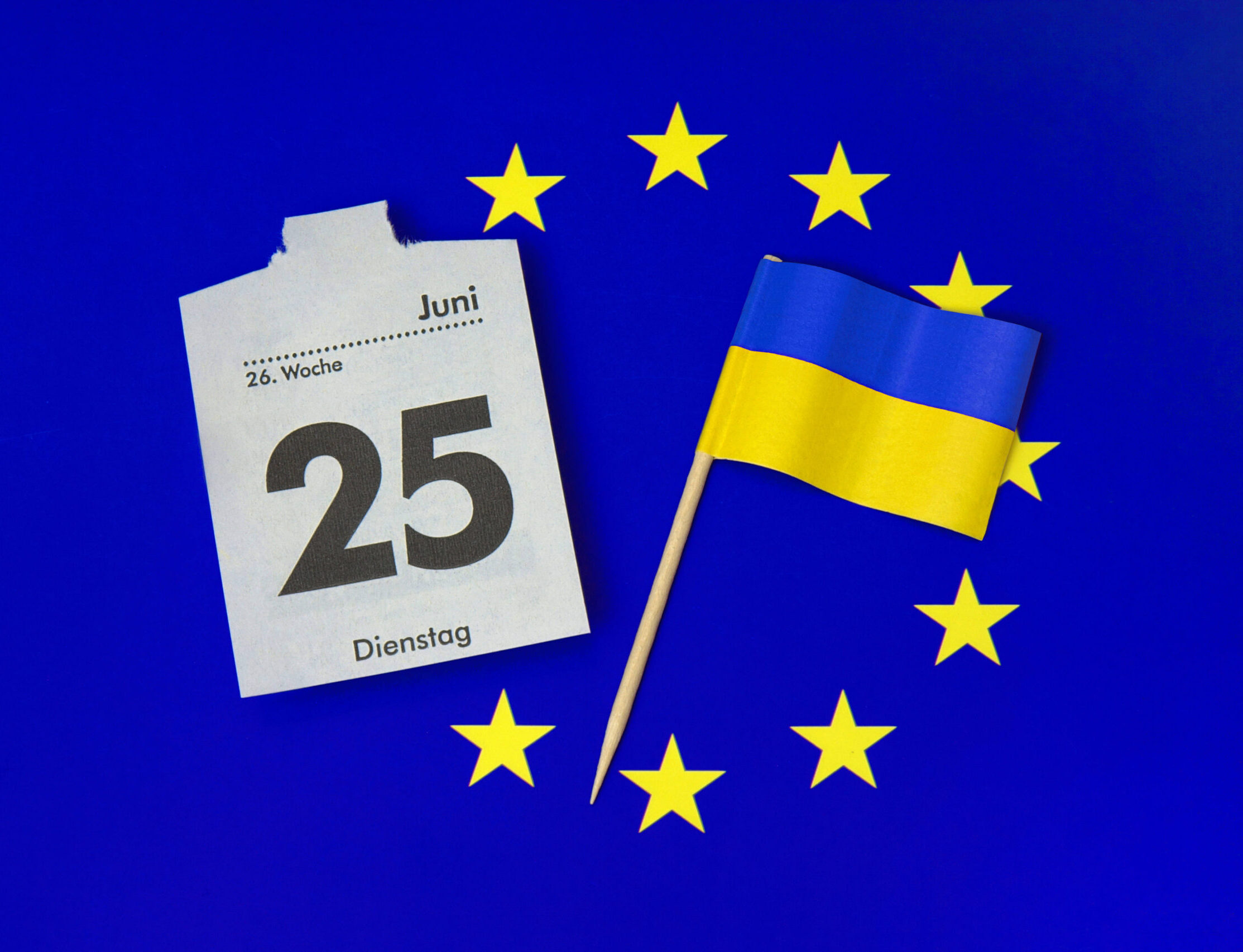
Ukraine’s aspiration to join the European Union is not just a political headline, but a defining story about identity, values, and the future shape of Europe itself. For decades, Ukraine has stood at a crossroads between East and West, balancing historical ties with Russia and a growing desire to integrate with European political, economic, and cultural structures. The push for EU membership represents far more than access to markets or funding; it symbolizes Ukraine’s wish to anchor itself firmly within a community based on democracy, rule of law, and shared prosperity. In recent years, especially after dramatic political and military developments, the question of Ukraine’s place in Europe has become urgent, emotional, and globally significant.
Historical Background and the Roots of European Aspiration Ukraine EU membership
Ukraine’s relationship with Europe did not begin in the 21st century. Since gaining independence in 1991 after the collapse of the Soviet Union, Ukraine has wrestled with defining its geopolitical direction. Early governments alternated between closer ties with Russia and gradual cooperation with the European Union, reflecting internal divisions and external pressures. A major turning point came in 2013–2014 with the Euromaidan protests, when millions of Ukrainians demonstrated in favor of closer European integration after the government suspended plans for an EU association agreement. These protests, which led to political change and severe tensions with Russia, revealed that a large part of Ukrainian society viewed the EU not just as a partner, but as a model for governance, freedoms, and modern statehood.
Political and Legal Reforms on the Path to Membership
Joining the European Union is not a symbolic gesture; it requires deep and often painful reforms. Candidate countries must align their laws, institutions, and practices with EU standards in areas such as judicial independence, anti-corruption, human rights, and market regulation. For Ukraine, this has been a major challenge, as corruption and weak institutions have long undermined public trust and economic development. However, progress has been visible, especially since 2014, with the creation of new anti-corruption bodies, judicial reforms, decentralization of power, and efforts to improve transparency. The EU has consistently emphasized that Ukraine’s membership prospects depend not on political sympathy alone, but on measurable, sustained reform, which makes the process demanding but also transformative for Ukrainian society.
Economic Opportunities and Challenges
From an economic perspective, EU membership offers Ukraine vast opportunities, but also serious adjustments. Access to the single market could stimulate trade, attract foreign investment, and modernize key sectors such as agriculture, energy, and manufacturing. Ukraine’s fertile farmland and industrial base could become major assets within the European economy. At the same time, Ukrainian businesses would face fierce competition from established European companies, requiring improvements in quality, efficiency, and labor standards. The transition would not be painless, particularly for industries that rely on outdated technologies or protected domestic markets. Yet, over the long term, integration into the EU economic system could help Ukraine move away from oligarch-dominated structures toward a more competitive and innovative economy.
Security, Geopolitics, and the War Factor
Security concerns have dramatically reshaped the debate on Ukraine’s EU membership. Russia’s annexation of Crimea in 2014 and the full-scale invasion in 2022 made it clear that Ukraine’s future is not just a domestic or European issue, but a matter of global stability. While EU membership is not a military alliance like NATO, it carries political and strategic weight, signaling that Ukraine belongs to a European community that rejects spheres of influence and supports sovereignty. For many Europeans, supporting Ukraine’s EU path has become a moral and strategic commitment, reinforcing the idea that borders cannot be changed by force. At the same time, the ongoing war complicates accession, as the EU traditionally avoids admitting countries with unresolved territorial conflicts, making peace and reconstruction central to Ukraine’s membership prospects.
Public Opinion and Cultural Identity
One of the strongest drivers of Ukraine’s EU ambition is public opinion. Surveys consistently show that a majority of Ukrainians support EU membership, especially among younger generations who associate Europe with freedom of movement, educational opportunities, and a higher quality of life. This cultural and psychological dimension is often underestimated, but it is crucial. For many Ukrainians, being European is not just about passports or trade agreements, but about belonging to a civilization that values individual rights, diversity, and open societies. This sense of identity has been reinforced by shared experiences during crises, when European countries provided political, humanitarian, and military support.
Conclusion: A Journey Still in Progress
Ukraine’s path toward European Union membership is long, complex, and uncertain, but it is also one of the most transformative journeys in modern European politics. It involves reshaping institutions, rebuilding an economy, healing from war, and redefining national identity. While full membership may still be years away, the process itself is already changing Ukraine in profound ways, drawing it closer to European norms and values. At the same time, Ukraine’s determination is also changing the European Union, forcing it to rethink enlargement, security, and solidarity in a more unstable world. In this sense, Ukraine’s EU membership is not just about Ukraine joining Europe, but about Europe redefining itself for the future.
Leave a Reply