Introduction to the Marriage Rebound Trend
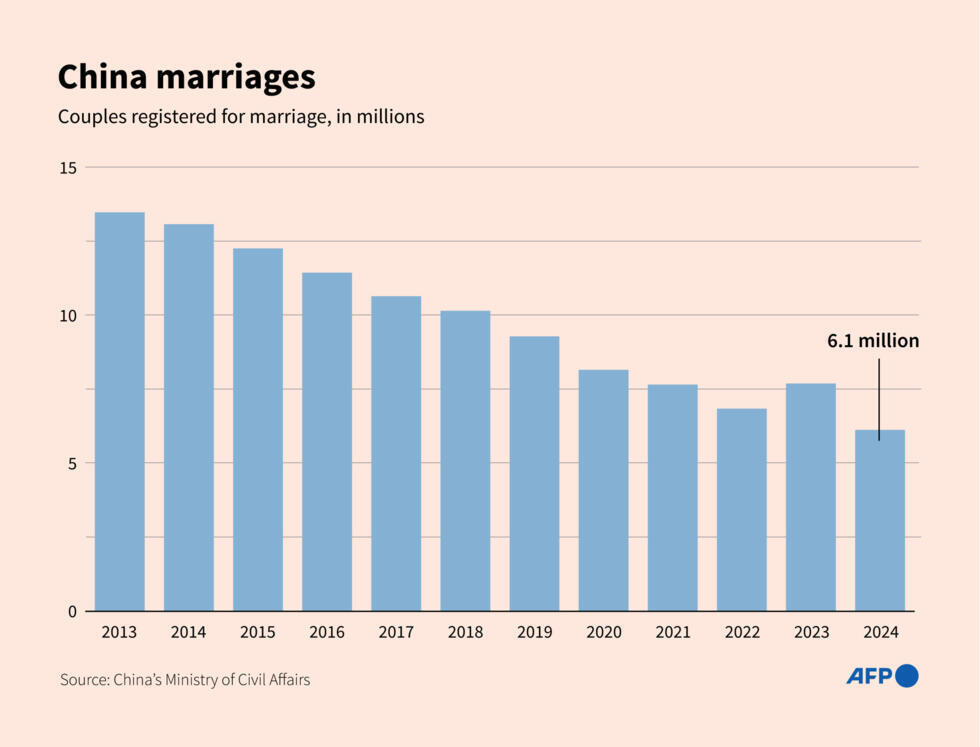
In recent years, China has begun to witness a modest but notable rebound in marriage registrations after a prolonged period of decline. This shift has attracted attention from demographers, policymakers, and social observers because marriage trends in China are closely tied to broader issues such as population growth, economic confidence, and cultural transformation. For much of the past decade, marriage rates steadily fell as young people delayed or avoided formal unions due to rising living costs, career pressures, and changing attitudes toward family life. The recent rebound does not suggest a full return to past norms, but it does indicate that a combination of social adaptation and policy intervention may be influencing personal decisions once again.
Economic Recovery and Its Role in Marriage Decisions
One of the most important drivers behind the marriage rebound is gradual economic stabilization following years of uncertainty. Employment prospects, while still competitive, have improved in some urban sectors, giving young adults greater confidence in long-term planning. Marriage in China is often linked to financial readiness, including home ownership, savings, and the ability to support future children. When economic expectations improve, even slightly, couples who previously postponed marriage may feel more secure about formalizing their relationships. Local governments have also taken steps to reduce marriage-related financial burdens, such as simplifying wedding procedures and discouraging extravagant bride prices, which historically placed pressure on families and discouraged unions. China marriage rebound
Policy Adjustments and Government Encouragement
Government policy has played a direct role in encouraging marriage, particularly as concerns over population decline intensify. China’s low birth rate and aging population have pushed authorities to promote family formation as part of a broader demographic strategy. In several regions, incentives such as extended marriage leave, housing benefits, and childcare support have been introduced to make marriage more attractive. Administrative reforms have also made marriage registration more convenient by allowing couples to register outside their place of household registration. These policy adjustments signal official recognition that social realities have changed and that traditional expectations must be adapted to modern lifestyles.
Changing Attitudes Among Young People
Despite the rebound, attitudes toward marriage among younger generations remain complex and cautious. Many young Chinese adults still prioritize personal development, emotional compatibility, and mental well-being over early marriage. The rebound reflects not a reversal of these values, but rather a recalibration. Couples who choose marriage today often do so with clearer expectations and a desire for partnership rather than obligation. This shift may lead to fewer but potentially more stable marriages, as individuals enter unions after careful consideration rather than social pressure. The growing acceptance of later marriage also means that rebounds may appear uneven across age groups and regions.
Urban and Rural Differences in Marriage Patterns
Marriage trends in China continue to vary significantly between urban and rural areas. Urban centers, with higher living costs and intense work cultures, still experience lower marriage rates compared to smaller cities and rural regions. However, recent data suggest that some smaller cities are leading the rebound due to targeted incentives, lower housing costs, and stronger community ties. Rural areas, while traditionally maintaining higher marriage rates, face challenges such as gender imbalances and youth migration to cities. The current rebound highlights how localized policies and economic conditions can strongly influence personal life choices.
Implications for China’s Demographic Future
The marriage rebound offers cautious optimism for China’s demographic outlook, but it is not a complete solution to long-term population challenges. Marriage does not automatically lead to higher birth rates, especially as many couples still hesitate to have multiple children. However, a stabilization in marriage trends may help slow demographic decline and create conditions for gradual improvement. More importantly, the rebound reflects a society in transition, where marriage is being reshaped to fit contemporary realities. Understanding this shift is essential for designing policies that respect individual choice while addressing national demographic concerns.
Leave a Reply